Accessible Drum Circle: Creating Rhythm for Every Body
Discover how to build and participate in an accessible drum circle that welcomes individuals of all physical, cognitive, and sensory abilities.
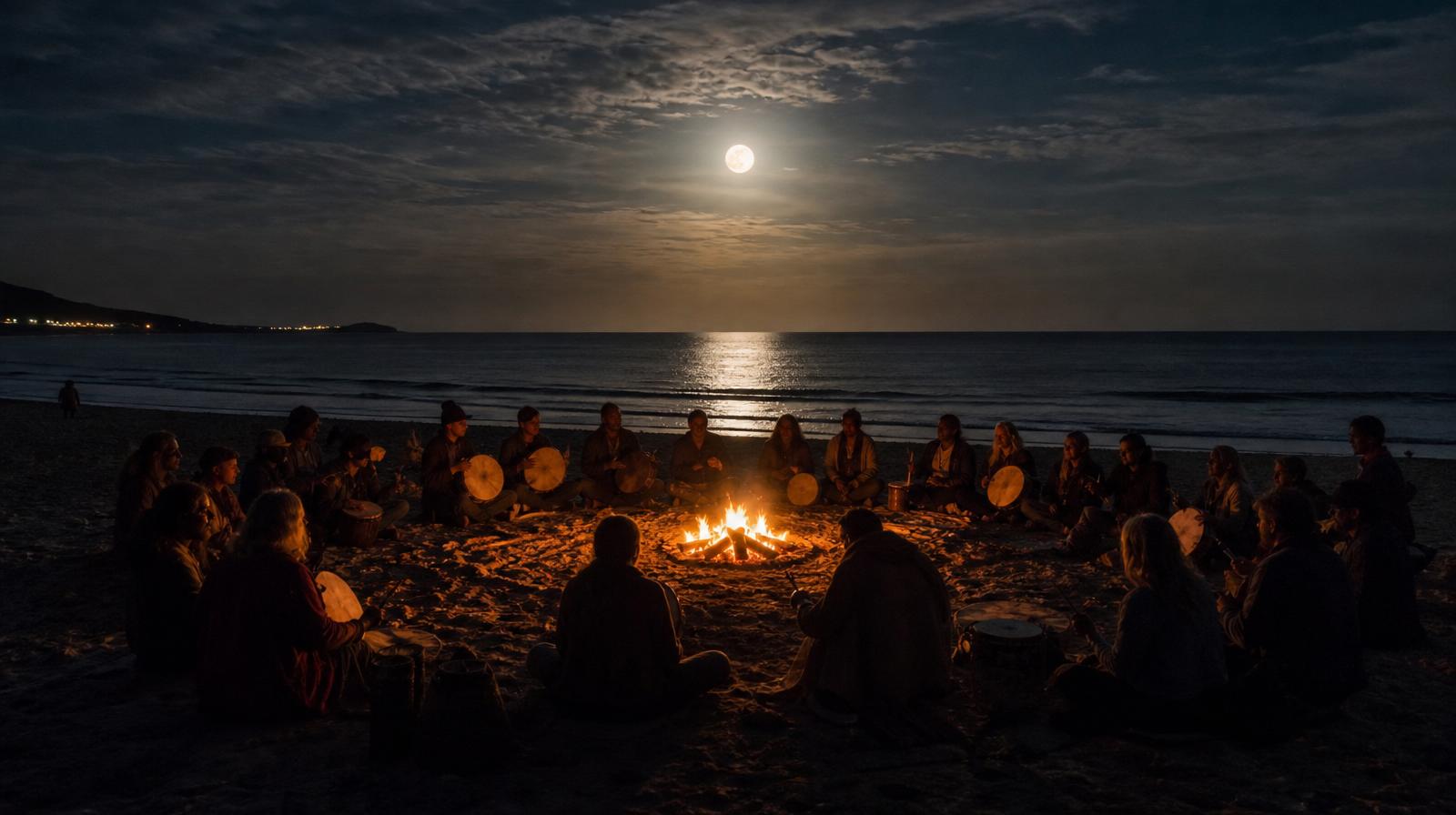
Music is a universal language, but for many, the traditional concert hall or high-intensity music class can feel out of reach. This is where the beauty of an accessible drum circle comes in. Unlike rigid performances, these gatherings prioritize connection over perfection, ensuring that every individual—regardless of physical mobility, cognitive processing, or sensory needs—can find their place in the groove.
In an inclusive rhythm community, we move beyond the idea of 'disability' and focus on 'ability.' Whether you are a facilitator looking to broaden your outreach or a participant seeking a safe space to play, understanding the nuances of accessibility is key to a vibrant, healthy circle.
The Core Philosophy of Inclusive Drumming
An accessible drum circle is built on the foundation that rhythm is an inherent human trait. From our first heartbeat, we are rhythmic beings. In these spaces, the goal isn't to play a complex polyrhythm perfectly; it is to share a pulse.
True accessibility means removing barriers. This includes physical barriers like stairs or heavy doors, but also social barriers like complex jargon or judgmental attitudes. By fostering an environment of 'radical inclusion,' we allow the djembe, the frame drum, and even the simple shaker to become tools for empowerment.
Choosing the Right Instruments for All Abilities
Not every drum is suitable for every player. When planning an inclusive event, variety is your best friend.
- Djembe and Congas: These are great for those with full upper-body mobility, but they can be heavy. Using floor stands allows players in wheelchairs to pull right up to the drum without needing to hold it between their knees.
- Frame Drums: Lightweight and versatile, frame drums can be held in the lap or mounted on a table, making them perfect for those with limited grip strength.
- Paddle Drums: These resemble colorful lollipops and are easy to hold and strike with a mallet, offering a high success rate for children or those with fine motor challenges.
- Small Percussion: Never underestimate the power of a high-quality shaker, a guiro, or a set of claves. These allow participants to contribute to the texture of the sound without the physical demand of a large drum.
If you are looking to expand your collection, consulting with drum teachers who specialize in adaptive music can provide valuable insights into which instruments offer the best tactile feedback.
Physical Space and Setup Logistics
Accessibility starts before the first beat. If a participant cannot easily enter the room or see the facilitator, the circle isn't truly accessible.
Consider the following when choosing a venue:
- Floor Surface: Ensure the ground is level. Grass can be tricky for wheelchairs and walkers; paved patios or indoor community halls are often better choices.
- The Circle Shape: Keep the circle wide. A 'double circle' can be claustrophobic for some. Ensure there is enough 'turning radius' for mobility devices to move in and out freely.
- Acoustics: High ceilings and hard surfaces can create an overwhelming 'wall of sound.' For individuals with sensory processing sensitivities or hearing aids, look for rooms with rugs, curtains, or acoustic panels to dampen the echo.
Facilitation Techniques for Diverse Groups
An effective facilitator in an accessible drum circle acts more like a guide than a conductor. Using 'Call and Response' is a powerful way to engage the group, but it must be adapted.
Instead of long, complex patterns, use short, three-beat phrases. Use clear visual cues—like raising your arms high to signal a crescendo—to help those who may have hearing impairments. It is also helpful to offer 'rhythm anchors.' This is a steady, simple beat (usually on a low-tuned dunnun or floor tom) that provides a heartbeat for the rest of the group to lean on if they feel lost.
For those interested in professional training, many drum schools now offer modules specifically focused on therapeutic and inclusive facilitation.
Sensory Considerations and Comfort
For some participants, particularly those on the autism spectrum or with PTSD, the volume of a drum circle can be a barrier. To make your circle more accessible:
- Provide Earplugs: Keep a basket of foam earplugs or high-fidelity musician plugs at the entrance.
- Designate a 'Quiet Zone': If the event is at a large drumming retreat, ensure there is a nearby space where someone can step away from the sound while still feeling part of the event.
- Soft Mallets: Using yarn-wrapped mallets instead of hard plastic ones or bare hands can significantly lower the decibel level while still producing a beautiful tone.
The Social Impact of Accessible Circles
When we drum together, our brain chemistry changes. We release oxytocin and reduce cortisol. For individuals who often feel marginalized or isolated due to their abilities, the drum circle offers a rare moment of total social synchronization.
In the circle, there is no 'us' and 'them.' There is only the beat. This sense of belonging is why so many events are now incorporating inclusive drumming into their programming. It builds bridges between different parts of the community that might not otherwise interact.
Finding Your Rhythm Community
Whether you are a seasoned percussionist or someone who has never touched a drum, there is a place for you. Accessible drumming is about the heart, not just the hands. It is about the courage to show up and add your unique vibration to the collective whole.
Find a drum circle near you and experience the power of inclusive rhythm today.
Frequently asked
- What makes a drum circle 'accessible'?
- An accessible drum circle removes physical, sensory, and cognitive barriers. This includes choosing ADA-compliant venues, providing adaptive instruments like floor-stand drums, and using facilitation techniques that cater to various learning styles and sensory needs.
- Can people with limited mobility participate in drumming?
- Absolutely. Many drums can be played with one hand, with mallets, or mounted on stands for those in wheelchairs. Small percussion instruments like shakers or bells are also excellent options for those with limited range of motion.
- How do I find an inclusive drum circle in my area?
- You can search the Drum Circle Directory for local listings. Look for circles tagged as 'family-friendly,' 'therapeutic,' or 'all-abilities,' and don't hesitate to message the facilitator beforehand to ask about specific accommodations.
- What if the noise is too loud for me?
- Many accessible circles provide ear protection or use softer instruments like frame drums and soft mallets. You can also position yourself further back from the center or near an exit so you can take 'sensory breaks' as needed.
Find a drum circle near you
Browse hundreds of circles, teachers and rhythm community gatherings.
Explore drum circles