
How to Add a Drum Circle to Your Community: A Growth Guide
Ready to spark a rhythmic revolution in your town? Learn the essential steps to add a drum circle to your local community and foster connection through beat.
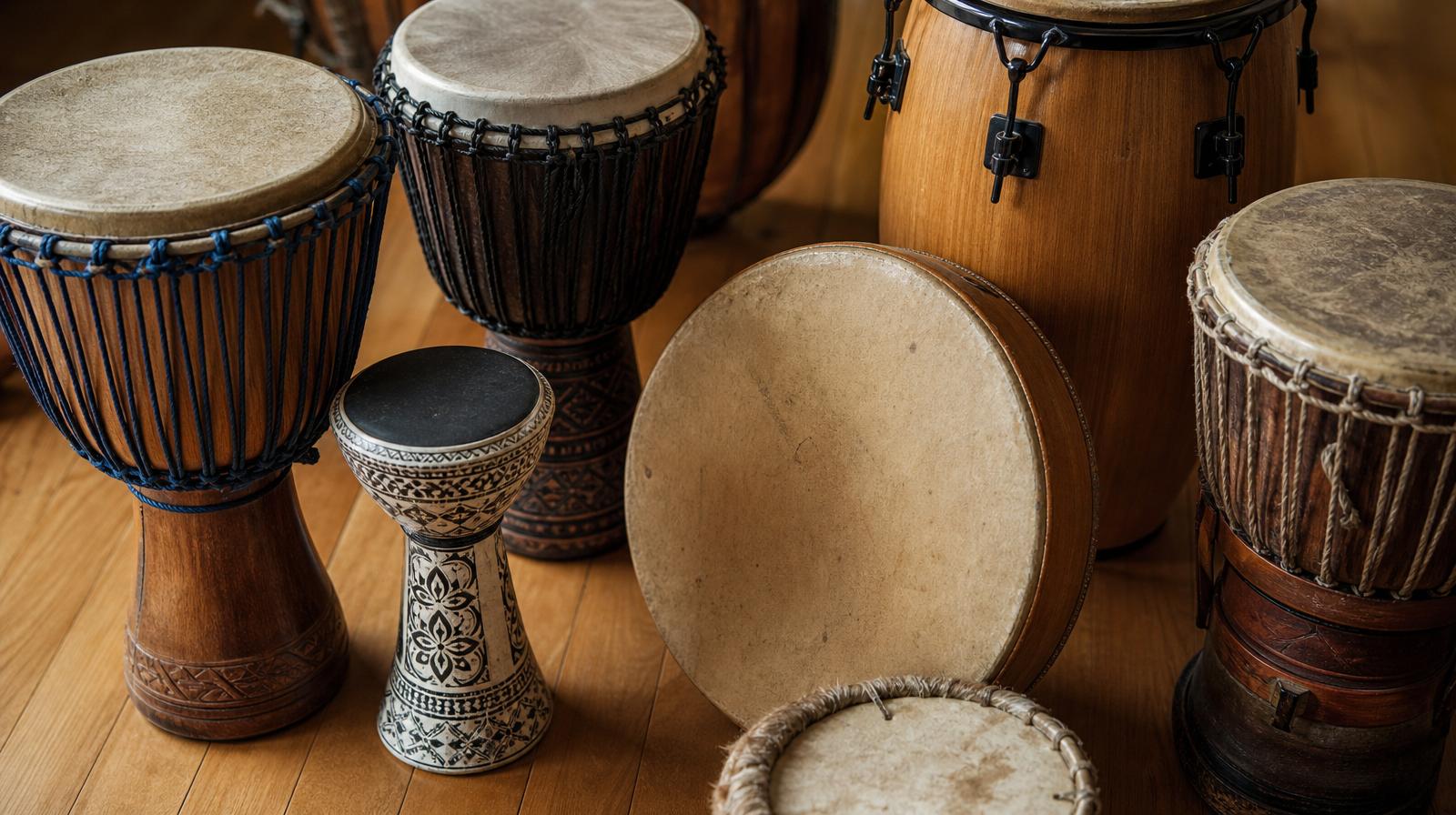
There is a unique magic that happens when a group of strangers sits in a circle, instruments in hand, and finds a collective heartbeat. Whether it is the deep, resonant thrum of a djembe or the sharp, metallic click of a cowbell, group drumming transcends language and background. If you have felt the call to bring this experience to your area, you are likely wondering how to officially add a drum circle to the local landscape.
Adding a drum circle isn't just about showing up with a few buckets; it is about intentionality, rhythm, and space-holding. From securing the right location to ensuring beginner-friendly etiquette, this guide will walk you through the process of building a sustainable rhythmic community.
1. Defining Your Vision and Purpose
Before you pick up a mallet, you must decide what kind of circle you are building. Not all gatherings are the same. Some are focused on technical mastery, while others are purely for wellness and stress relief.
- Community Circles: These are usually open to all ages and skill levels. The focus is on connection and the joy of the moment.
- Culturally Specific Circles: These might focus on West African djembe and dunun traditions, Afro-Cuban conga rhythms, or Middle Eastern doumbek patterns.
- Healing Circles: Often smaller and more focused, these use rhythm as a therapeutic tool for wellness.
Knowing your purpose helps you find the right drum teachers to assist or the right venue to host your sessions.
2. Finding the Perfect Venue
Location is everything when you want to add a drum circle to your weekly or monthly calendar. Sound travels, and while we love the beat, not every neighbor will feel the same way at 9:00 PM on a Tuesday.
Consider these venue types:
- Public Parks: Great for visibility, but check local noise ordinances and permit requirements first.
- Community Centers: Often have rooms for rent and existing insurance coverage.
- Yoga Studios or Churches: These spaces often align with the mindfulness aspect of drumming.
- Music Schools: Partnering with drum schools can provide a steady stream of interested students.
3. Gathering Your Gear: Essential Instruments
A diverse drum circle needs a variety of voices. While you can encourage participants to bring their own, having a "loaner pile" is crucial for newcomers.
- The Bass: Large djembe, dununs, or even a large frame drum to provide the "heartbeat."
- The Mid-Range: Congas, bongos, and smaller djembes for melodic patterns.
- The High-End: Hand percussion like shakers, woodblocks, and tambourines. These are perfect for those who are intimidated by a large drum.
4. Facilitation and Etiquette
A leaderless circle can be beautiful, but a facilitated circle often lasts longer. A facilitator doesn't just play; they listen. They manage the volume, encourage the shy players, and help the group transition between rhythms.
Basic etiquette is the glue that keeps the circle together. Remind players to leave space for others to be heard and to avoid "solo-ing" over the group. If someone wants to learn deeper techniques, suggest they look for local events or workshops to sharpen their skills.
5. Marketing and Growing Your Circle
Once you have the space and the drums, you need the people. Word of mouth is powerful, but digital presence is vital. Use social media to share videos of your jams, but also ensure you are listed where drummers look.
When you add a drum circle to a global directory, you make it easy for travelers and locals alike to find you. Consistency is key—meeting on the same day every month builds a habit for your community.
6. Sustaining the Rhythm Long-Term
Burnout is real for organizers. To keep the circle going, delegate tasks. Have one person handle the social media, another manage the equipment, and another scout for guest facilitators from nearby drumming-retreats.
Keep the energy fresh by introducing new themes, such as a "Full Moon Circle" or a "Family Rhythm Day." By evolving, your circle becomes a staple of the local culture rather than a one-time event.
Find a drum circle near you at /drum-circles.
Frequently asked
- Do I need a permit to start a drum circle in a public park?
- Requirements vary by city, but most public parks require a 'Special Use' or 'Noise' permit if your group exceeds a certain size or uses amplified sound. Always check with your local Parks and Recreation department to avoid fines and ensure a welcoming environment for other park users.
- What is the best drum for a beginner to bring to a circle?
- The djembe is the most popular choice because it is portable and offers three distinct sounds: bass, tone, and slap. However, a simple frame drum or even a pair of maracas is a fantastic way to start if you are not ready to invest in a large instrument.
- How do I deal with someone playing too loudly or off-beat?
- This is where facilitation comes in. A facilitator can use non-verbal cues, like a 'volume down' hand gesture, to level the group. If the issue persists, a friendly one-on-one conversation about 'listening more than you play' usually solves the problem while maintaining a positive atmosphere.
Find a drum circle near you
Browse hundreds of circles, teachers and rhythm community gatherings.
Explore drum circles