
Unlocking Rhythm: A Guide to Adult Drum Classes and Circles
Discover how adult drum classes can transform your stress into creative energy while connecting you with a vibrant musical community.
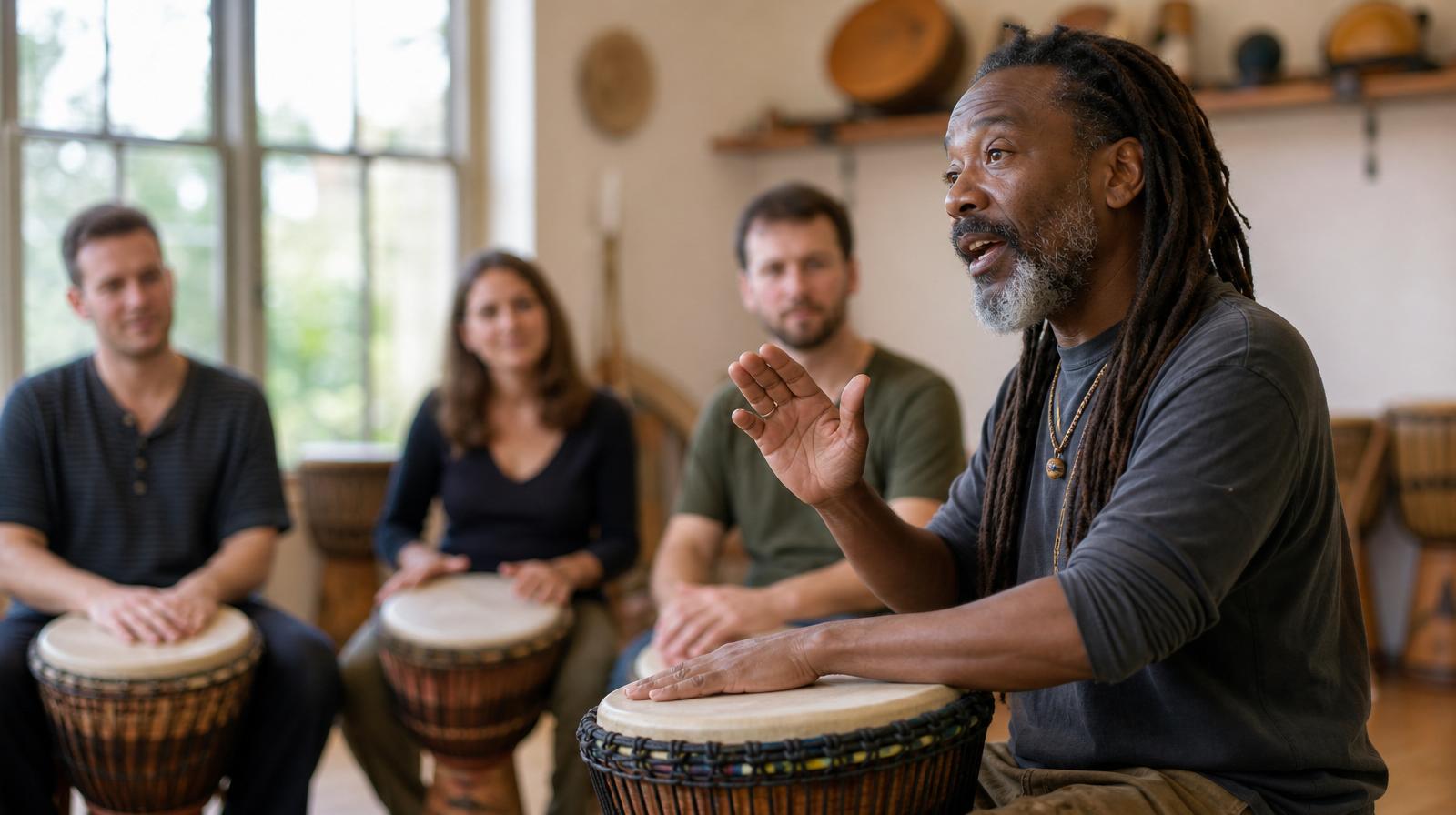
There is a common misconception that learning a musical instrument is a pursuit reserved for the young. However, the world of hand drumming tells a different story. Every day, thousands of people step into adult drum classes to rediscover their sense of play, relieve the stresses of modern life, and connect with a heartbeat that is thousands of years old.
Whether you are drawn to the deep, resonant bass of a West African djembe, the intricate finger-work of a Middle Eastern doumbek, or the melodic patterns of a Caribbean conga, adult drum classes offer a unique path to personal growth and community connection.
Why Start Drumming as an Adult?
As adults, we often live in our heads, managing schedules, careers, and responsibilities. Drumming forces us back into our bodies. It is a tactile, physical experience that requires a balance of focus and relaxation.
Learning to drum as an adult isn't about becoming a virtuoso for a stage performance; it’s about the journey of rhythm. Many students find that the rhythmic repetition acts as a form of active meditation. Research has shown that group drumming can lower cortisol levels, boost the immune system, and even help manage chronic pain. Beyond the health benefits, it is simply a joyful way to spend an evening away from a screen.
Choosing Your Instrument: From Djembe to Frame Drum
One of the first questions prospective students ask is, "What kind of drum should I play?" While many drum schools provide instruments for beginners, knowing the styles can help you find the right class fit:
- Djembe: Perhaps the most popular drum for beginners. Its goblet shape produces three distinct sounds (bass, tone, and slap) and is central to West African communal music.
- Congas and Bongos: Essential for those interested in Afro-Cuban rhythms and Latin jazz. These require specific palm and finger techniques.
- Frame Drums: One of the world's oldest instruments. Played with the fingers or a soft mallet, they are often used in spiritual or meditative drumming contexts.
- Dunun: These are the cylindrical double-headed drums that provide the melodic heartbeat for djembe ensembles, often played with sticks.
What to Expect in Your First Adult Drum Class
Walking into a studio for the first time can be intimidating, but drum communities are famously welcoming. Most adult drum classes follow a similar structure:
- The Check-in: A brief moment to settle in and align with the group.
- Warm-ups: Gentle exercises to loosen the wrists, shoulders, and fingers.
- Technique Drills: Learning how to strike the drum correctly to get a clear sound without hurting your hands.
- Call-and-Response: The teacher plays a rhythm, and the class mirrors it back. This builds listening skills and rhythmic memory.
- Polyrhythmic Play: The class is divided into sections, each playing a different interlocking part to create a rich, layered soundscape.
The Transition from Classes to Community Circles
Once you have mastered the basic strokes, you might feel ready to take your skills into a more improvisational setting. While adult drum classes focus on instruction and specific traditional rhythms, a drum circle is often about the "spirit of the moment."
In a facilitated drum circle, a leader guides the group through transitions, but the music is created spontaneously. It is the perfect place to practice the etiquette of listening—knowing when to play loudly, when to whisper on the drum skin, and when to leave space for others.
Finding the Right Environment for Your Style
Not all learning happens in a weekly classroom. For those who want to dive deeper, drumming retreats offer immersive experiences where you can live and breathe rhythm for several days. These are excellent for breaking through plateaus and connecting with world-class instructors in a natural setting.
If you prefer a more structured academic approach, look for local community colleges or dedicated percussion studios. If you are looking for something more social, check out local events like full-moon circles or family-friendly community jams.
Practical Tips for Beginner Drummers
- Don't buy a drum immediately: Most teachers prefer you try a few different types before investing in your own.
- Remove your jewelry: Rings and bracelets can damage the drum head and hurt your fingers.
- Focus on the pulse: It’s better to play a simple rhythm steadily than a complex one off-beat.
- Listen more than you play: The best drummers are the best listeners.
Find a drum circle near you to start your rhythmic journey today.
Frequently asked
- Do I need to own a drum to start adult drum classes?
- No, most beginners' classes and workshops provide drums for students to use. It is actually recommended to wait until you have attended a few sessions so you can learn which size and style of drum (like a djembe or conga) feels most comfortable for your body.
- Am I too old to learn how to drum?
- Absolutely not. Hand drumming is a low-impact activity that is enjoyed by people well into their 80s and 90s. Many adult drum classes are specifically designed for seniors or those looking for a hobby that promotes cognitive health and motor skills.
- What is the difference between a drum class and a drum circle?
- A drum class is instructional, where a teacher moves you through specific techniques and traditional rhythms. A drum circle is a collaborative, often improvisational event where the focus is on community connection and the shared experience of creating music in the moment.
Find a drum circle near you
Browse hundreds of circles, teachers and rhythm community gatherings.
Explore drum circles