
African Drum Circle: A Guide to Rhythm, Culture, and
Discover the profound power of the African drum circle, where ancient rhythms like the djembe and dunun create modern community connection.
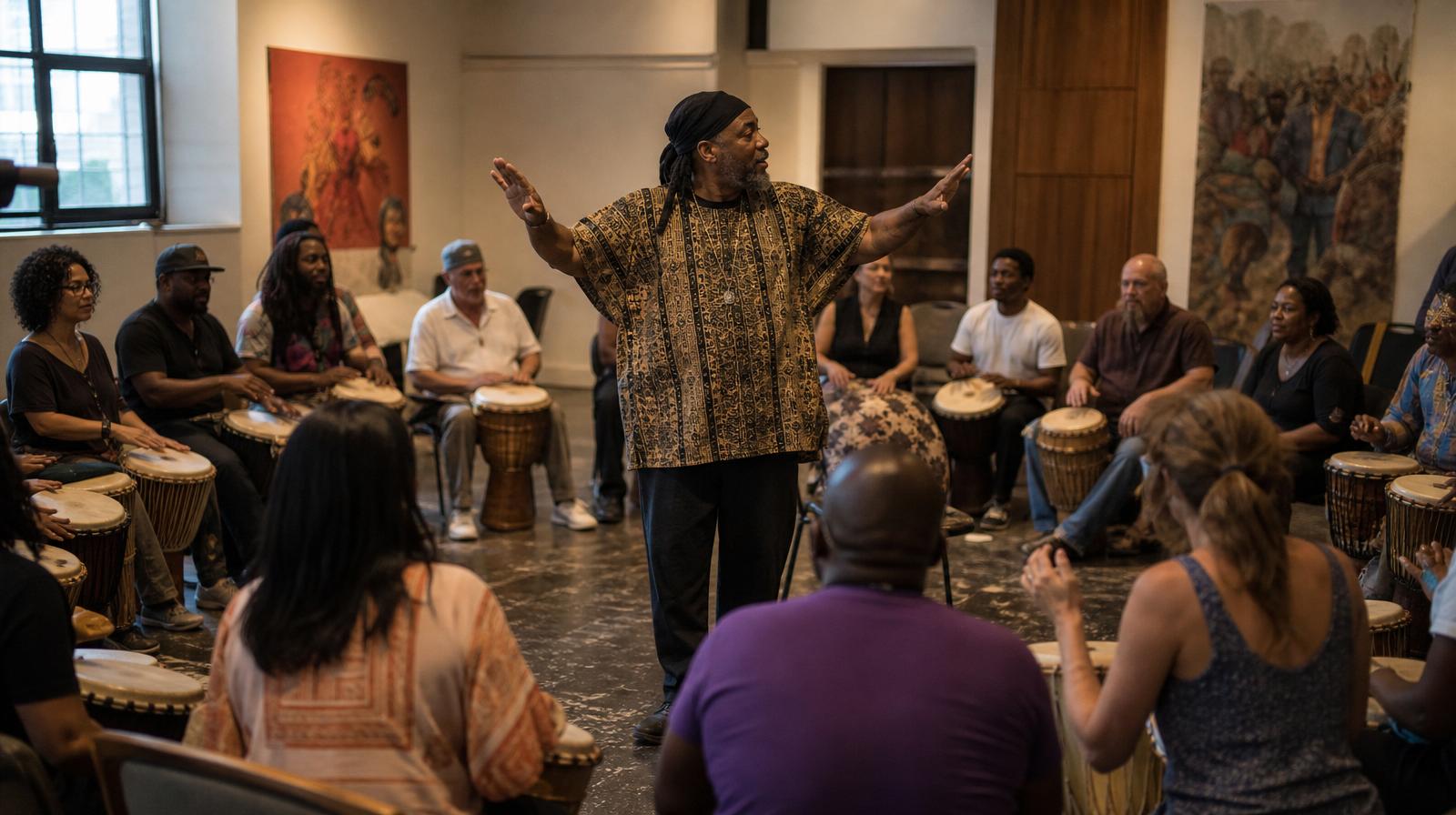
There is something primal and deeply moving about the sound of a djembe echoing through a park or community hall. The African drum circle is more than just a musical performance; it is a living, breathing conversation. In these spaces, the boundaries between performer and audience dissolve, replaced by a collective heartbeat that has resonated for centuries.
Whether you are a seasoned percussionist or someone who has never touched a drum head, the world of African-inspired rhythm offers a unique path to connection. In this guide, we explore the instruments, the cultural foundations, and the transformative power of participating in these rhythmic gatherings.
The Heartbeat of the Circle: Traditional Instruments
At the center of most African drum circles is the djembe. Originating from the Mali Empire, this goblet-shaped drum is known for its wide range of tones—from deep, resonant basses to sharp, cracking slaps. It is traditionally carved from a single piece of hardwood and topped with a goat skin head.
However, a true West African rhythmic ensemble is incomplete without the dununs (or dunduns). These are the cylindrical, double-headed bass drums that provide the melodic and rhythmic foundation of the music. They typically come in three sizes:
- Dununba: The largest drum, representing the earth and providing the deep pulse.
- Sangban: The middle drum, often carrying the specific identity of the rhythm.
- Kenkeni: The smallest drum, maintaining a steady, high-pitched time-keeping pattern.
In many circles, you will also find the krin (log drum), the shekere (beaded gourd), and various bells that act as the 'pulse' for the entire group.
Understanding the West African Rhythmic Tradition
Unlike Western music, which often focuses on a single linear melody, African drumming is built on polyrhythm. This means multiple distinct rhythms are played simultaneously, interlocking like a complex puzzle.
In a traditional setting, these rhythms aren't just for entertainment; they are tied to specific social functions—harvests, weddings, rites of passage, or healing ceremonies. When you join an African drum circle, you are stepping into a lineage of storytelling through sound.
The Role of the Facilitator and the Lead Drummer
In a community-focused African drum circle, the facilitator plays a crucial role. Their job is to ensure that everyone, regardless of skill level, feels comfortable contributing to the groove. They might use call-and-response patterns to teach a new rhythm or use hand signals to manage the volume and tempo.
In more traditional West African ensembles, the lead drummer (often playing a lead djembe) uses specific musical cues called 'breaks' to signal when to start, stop, or change the rhythm. Learning these cues is a key part of advancing your skills at drum schools or through dedicated study.
Etiquette: How to Join the Groove
Entering a drum circle for the first time can be intimidating, but following a few simple guidelines will help you integrate seamlessly:
- Listen first: Before you start playing, spend a minute listening to the current groove. Find where the 'one' (the main downbeat) is.
- Support the bass: If you are a beginner, focus on the bass notes. A steady, simple bass line is more valuable to the group than a complex, off-beat solo.
- Respect the instruments: Never play someone else's drum without asking. Hand drums are personal and often fragile.
- Leave space: You don't have to play on every beat. Silence is just as important as the notes you strike.
- Watch the facilitator: They are there to guide the energy of the room. If they signal for a decrescendo, bring your volume down.
The Health and Wellness Benefits of Drumming
Beyond the music, participating in an African drum circle has documented physical and mental health benefits. The rhythmic vibration of the drums can induce a meditative state, reducing cortisol levels and anxiety.
Group drumming has been shown to boost the immune system and foster a sense of social belonging, which is vital for mental well-being. Many people find that the 'rhythmic entrainment'—the process of synchronizing your movements with others—creates a profound sense of unity and peace.
Finding Your Rhythm Locally and Globally
The beauty of the drumming community is its accessibility. From full-moon beach circles to structured classes at local community centers, there are countless ways to get involved.
If you are looking to deepen your practice, consider attending drumming retreats where you can immerse yourself in the culture and technique of West African percussion away from the distractions of daily life. For those who want to learn the nuances of specific ethnic rhythms like Kuku, Moribayassa, or Fanga, seeking out experienced drum teachers is the best way to honor the tradition.
No matter where you are on your journey, the circle is waiting for you. The djembe is a 'healing drum,' and its voice is meant to be shared.
Find a drum circle near you and become part of the rhythm today.
Frequently asked
- Do I need my own drum to join an African drum circle?
- Not necessarily. Many community drum circles provide extra djembes or percussion instruments for newcomers to use. However, it is always a good idea to check the event description or contact the facilitator beforehand to see if 'loaner' drums are available.
- What is the difference between a djembe and a conga?
- While both are hand drums, the djembe is a West African goblet-shaped drum played with bare hands to produce three distinct sounds (bass, tone, slap). The conga is a tall, narrow, Cuban drum of African descent, usually played in sets of two or three, with a different technique and a mellower tonal profile.
- Can children participate in these drum circles?
- Most community drum circles are family-friendly and welcome children. Drumming is a fantastic way for kids to develop coordination and social skills. Just ensure they have hearing protection if the circle is particularly loud or indoors.
Find a drum circle near you
Browse hundreds of circles, teachers and rhythm community gatherings.
Explore drum circles