
African Drumming Classes Near Me: A Guide to Getting Started
Discover the vibrant world of West African rhythm, from djembe basics to community spirit. Learn how to find the perfect drumming class and join the circle today.
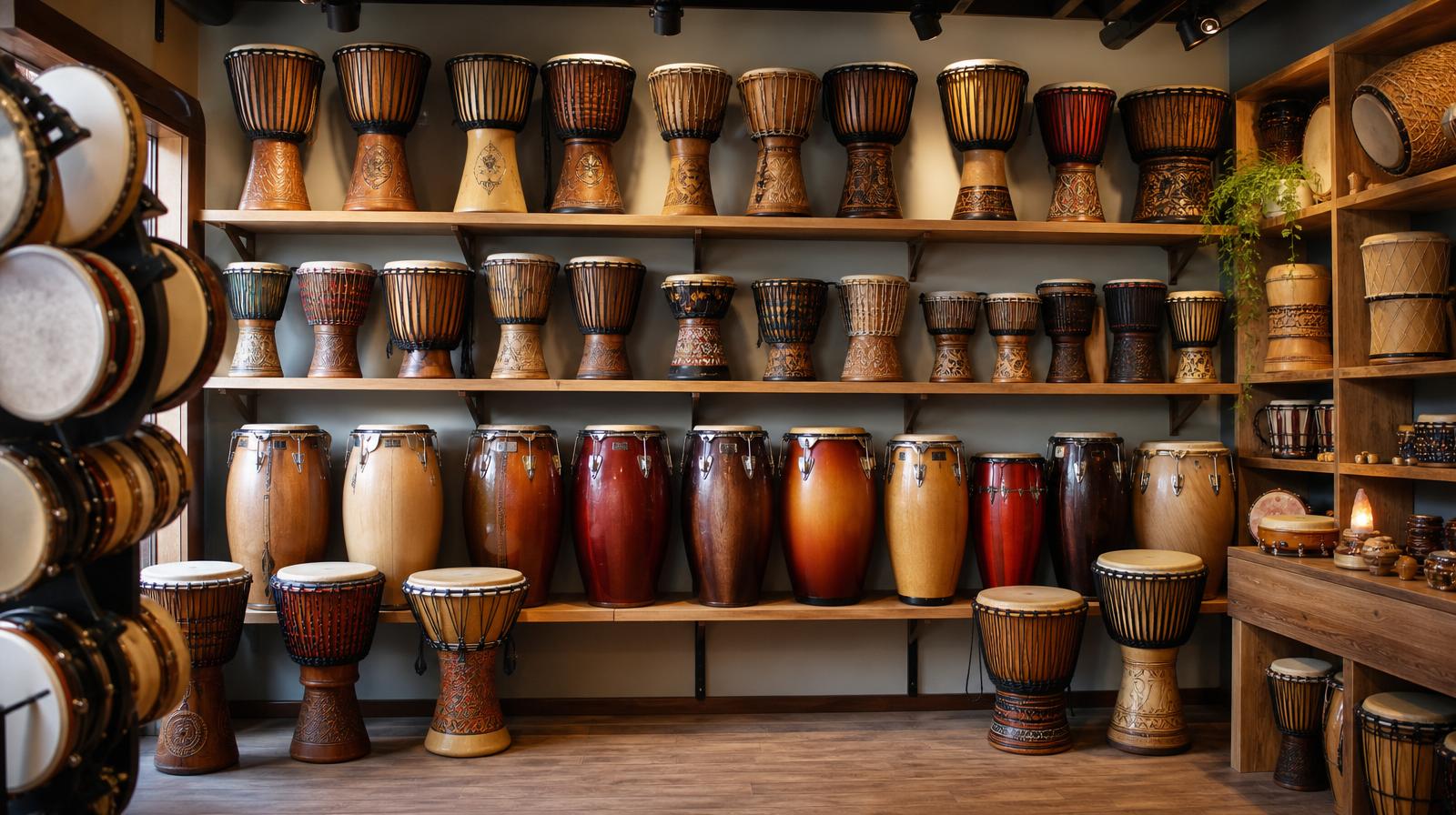
There is something primal and profoundly healing about the sound of a djembe. Whether you have heard the thunderous bass of a professional ensemble or the rhythmic pulse of a local park gathering, the desire to participate is often immediate. If you have been searching for "African drumming classes near me," you are not just looking for a music lesson; you are looking for a connection to a lineage of rhythm that spans centuries.
West African drumming—primarily centered around the djembe and the dunun (bass drums)—is a communal art form. It is built on the foundations of polyrhythm, call-and-response, and a shared heartbeat. Finding the right class is your first step into a world of cultural richness and personal growth.
Why Start Your Journey with African Drumming?
Unlike many Western musical traditions that focus on solo performance, African drumming is inherently social. When you join a class, you are entering a community. The benefits extend far beyond simply keeping time:
- Stress Relief: The physical act of drumming releases endorphins and provides a healthy outlet for emotional expression.
- Coordination: Learning to syncopate your left and right hands while listening to the master drummer improves cognitive function and motor skills.
- Cultural Appreciation: Authentic classes teach the history, stories, and social contexts of rhythms like Moribayassa or Kuku.
- Physicality: Drumming is an active pursuit. It builds core strength and improves circulation in the hands and arms.
Choosing the Right Instrument: Djembe vs. Dunun
In most West African drumming classes, you will encounter two primary types of instruments. Understanding them will help you decide which path to follow:
The Djembe
The djembe is the most popular African hand drum worldwide. Shaped like an hourglass or goblet and topped with goatskin, it is capable of three distinct sounds: the deep bass, the mid-range tone, and the sharp, cracking slap. Most beginners start here because the drum is portable and provides immediate feedback.
The Dununs
The dunun (or dundun) are the heartbeat of the ensemble. These are cylindrical drums played with sticks, usually featuring cowhide heads. They consist of the kenkeni (high-pitched), the sangban (mid-range), and the dundunba (the largest, deepest drum). If you prefer playing with sticks and focusing on the melodic foundation of a rhythm, look for a class that incorporates dunun instruction.
What to Expect in Your First African Drumming Class
Walking into your first class can be intimidating, but most drum schools are incredibly welcoming to newcomers. Typically, a session follows a specific flow:
- The Warm-up: Simple exercises to wake up the hands and align the group's timing.
- Technique Focus: The teacher will demonstrate proper hand placement to ensure you produce a clear sound without injuring your wrists.
- The Rhythm: You will likely learn a specific traditional rhythm. The teacher will break down the accompaniment parts (the repetitive patterns) before moving to more complex arrangements.
- Call and Response: The lead drummer will play a "signal" or "break," and the class will respond in unison. This is the core of musical communication in West Africa.
If you are nervous about your skill level, many drum schools offer dedicated beginner tracks that focus solely on the three basic notes of the djembe.
Finding Quality African Drumming Classes Near Me
When searching for local instruction, it is important to find a teacher who respects the tradition. Look for instructors who can cite their lineage—who they studied with and which ethnic groups the rhythms originate from (such as the Mandinka or Susu people).
- Community Centers: Often the most affordable entry point for hobbyists.
- Specialized Drum Schools: These offer deep dives into technique and often host visiting master drummers from Guinea, Mali, or Senegal.
- Private Tutors: If you want to progress quickly, finding drum teachers for one-on-one sessions is highly effective for correcting form.
- Online Directories: Using specialized tools to find local gatherings can save you hours of searching.
Transitioning from Class to Community
Once you have mastered the basics of the bass, tone, and slap, you may feel the urge to play outside the classroom setting. This is where the magic of the drum circle happens. While a class is structured and educational, a drum circle is often more improvisational and celebratory.
Participating in events like full-moon drums or community festivals allows you to apply what you’ve learned in a low-pressure environment. It is also an excellent way to meet other drummers and potentially join a performance ensemble.
Etiquette for New Students
Every drumming community has its own unwritten rules, but a few universal tips will help you fit in:
- Listen More Than You Play: In the beginning, it is tempting to play loudly. Instead, focus on locking in with the teacher's pulse.
- Respect the Lead Drummer: The lead drummer directs the energy and tempo. Avoid playing over their signals.
- Ask Before Playing Someone’s Drum: These instruments are often handmade and hold sentimental or spiritual value. Always ask permission before trying out a classmate's djembe.
- Check Your Jewelry: Rings and bracelets can damage the drum skin and your hands. It is best to remove them before the session begins.
Taking the Next Step
If you find yourself truly hooked, you might consider immersive experiences. Many students eventually look for drumming retreats where they can spend a week or more living the rhythm, often in beautiful natural settings or even traveling to West Africa to study at the source.
No matter where you are on your journey, the most important thing is to keep your hands on the skin and your heart in the rhythm. The world of African drumming is vast, welcoming, and waiting for you to join in.
Find a drum circle near you.
Frequently asked
- Do I need to own a drum to take a class?
- Most beginner African drumming classes provide drums for students to use or rent for a small fee. It is actually recommended to wait until you have taken a few lessons before buying your own, so your teacher can help you select a high-quality, authentic djembe.
- Is African drumming difficult to learn for beginners?
- The basics of African drumming are very accessible, making it perfect for those with no prior musical experience. While mastering the complex polyrhythms can take years, most students are able to play along with a basic rhythm and feel the community connection within their very first hour.
- What should I wear to a drumming class?
- Wear comfortable, loose-fitting clothing that allows you to sit with a drum between your legs. Avoid wearing rings, large bracelets, or long necklaces that might strike the drum or interfere with your movement.
- How do I know if a drumming teacher is authentic?
- A good teacher should be able to explain the origin and cultural significance of the rhythms they teach. Look for instructors who have studied with recognized masters or have spent significant time immersed in the musical cultures of West Africa.
Find a drum circle near you
Browse hundreds of circles, teachers and rhythm community gatherings.
Explore drum circles