
African Drumming Events: Finding Rhythm and Community Near
Discover the vibrant world of African drumming events, from high-energy djembe workshops to soul-stirring community gatherings.
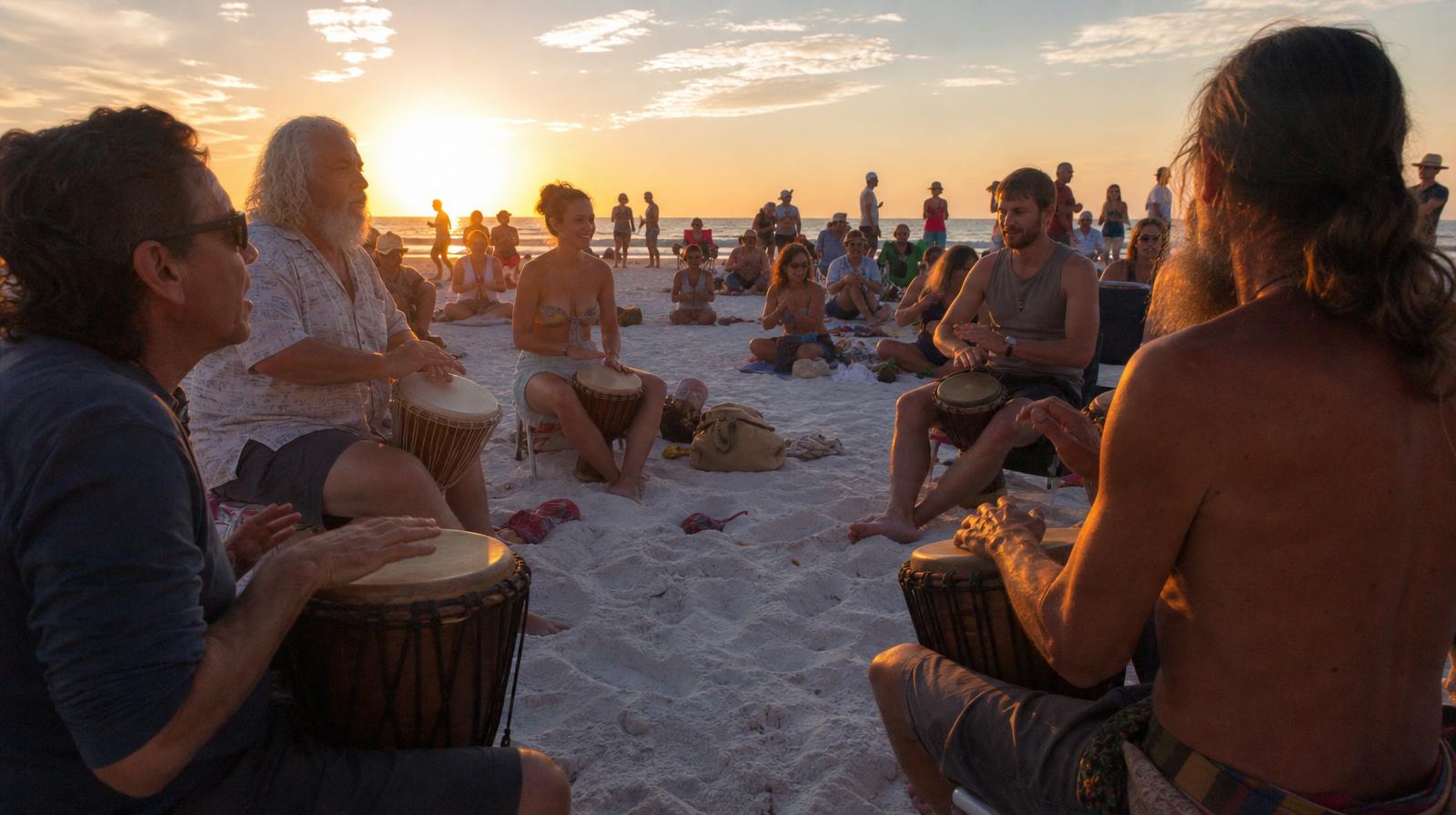
There is something primal and deeply resonant about the sound of a wood-and-skin drum echoing through a park or a community hall. African drumming events are more than just musical performances; they are vibrant, living celebrations of culture, connection, and the universal language of rhythm. Whether you are a seasoned pro with a well-worn djembe or a curious beginner who has never touched a drum head, these events offer a unique space to lose yourself in the beat.
From the thunderous bass of the dununs to the sharp, high-pitched slaps of the djembe, West African music is built on polyrhythms that invite everyone to participate. In this guide, we will explore the different types of African drumming events you can attend and how to make the most of your rhythmic journey.
The Variety of African Drumming Events
Not all drumming gatherings are created equal. Depending on what you are looking for—be it education, performance, or spiritual connection—you will find several distinct formats:
- Community Drum Circles: These are often informal, family-friendly gatherings held in parks or community centers. While they may include instruments from various cultures, African drums like the djembe and ashiko usually take center stage.
- Intensive Workshops: Led by master drummers (often from Guinea, Mali, or Senegal), these events focus on technique, traditional rhythms, and the cultural history of the music.
- Performance Showcases: These are concerts where professional troupes demonstrate the high-energy choreography and intricate polyrhythms of traditional West African ballets.
- Full Moon Gatherings: Many communities host rhythmic celebrations under the full moon, blending African drumming with a sense of spiritual mindfulness and dance.
What to Expect at Your First Djembe Workshop
If you decide to step beyond the casual circle and attend a formal workshop, you are in for a treat. Most African drumming events focused on teaching will begin with a warm-up. You’ll learn the three basic notes: the bass (center of the drum), the tone (the edge with fingers together), and the slap (the edge with fingers relaxed).
Expect a "call-and-response" format. The teacher will play a phrase, and the group will echo it back. This oral tradition is the heart of West African music. You don't need to read sheet music; you just need to listen and feel. Many workshops also incorporate the dununs—the large cylindrical drums played with sticks—which provide the melodic heartbeat and foundation for the djembe players.
The Role of the Dununs and Support Drums
In traditional West African drumming, the djembe doesn't act alone. A full ensemble usually includes a set of three dununs:
- The Dundunba: The largest drum, providing the deep, low-end pulse.
- The Sangban: The mid-sized drum that often carries the primary melody of the rhythm.
- The Kenkeni: The smallest drum, keeping the high-pitched, steady time.
At many drumming retreats, you will have the opportunity to rotate between these instruments. Understanding how the dunun parts lock together is essential for any drummer who wants to truly understand the architecture of African rhythm.
Etiquette and Respect in the Circle
African drumming is rooted in deep cultural traditions. When attending these events, a few simple rules of etiquette ensure everyone has a positive experience:
- Ask Before Playing Someone Else's Drum: Many drummers have a personal connection to their instrument. Always ask before you try out a djembe that isn't yours.
- Listen More Than You Play: Especially in a community circle, the goal is to blend in, not stand out. If you can't hear the person next to you, you might be playing too loud.
- Respect the Lead Drummer: In traditional settings, a lead drummer will use "signals" to start, stop, or change the rhythm. Pay close attention to these cues.
- Remove Jewelry: Rings and bracelets can damage the skin of the drum and hurt your hands.
Finding Local African Drumming Communities
Finding a place to play is easier than you might think. Most major cities have dedicated drum schools or cultural centers that host weekly classes. These are excellent places to meet like-minded people and find out about upcoming festivals or smaller, underground jams.
If you prefer a more structured learning environment, seeking out certified drum teachers can help you build a solid foundation. Many teachers also organize student performance groups, giving you the chance to take your skills from the classroom to the stage.
The Health and Wellness Benefits of Group Drumming
Beyond the music, African drumming events are scientifically proven to be good for you. The rhythmic vibration helps reduce stress, lowers blood pressure, and boosts the immune system. More importantly, the sense of "entrainment"—when a group of people synchronize their movements and heartbeats to a shared rhythm—creates a profound sense of social belonging and joy.
Preparing for an Outdoor Drumming Festival
If you are heading to a multi-day African music and dance festival, preparation is key. Bring a comfortable folding chair (without arms, so you can move freely) or a drum strap if you plan on standing. Ensure your drum is tuned before you arrive, as the heat and humidity of outdoor events can cause the skin to lose tension. Most importantly, bring an open heart and plenty of water—African drumming is a physical workout!
Find a drum circle near you and start your rhythmic journey today.
Frequently asked
- Do I need to own a drum to attend an African drumming event?
- Not necessarily. Many workshops and community circles provide 'loaner' drums for beginners. However, it is always best to check the event description or contact the organizer beforehand to see if a rental or loan is available.
- What is the difference between a drum circle and an African drumming class?
- A drum circle is generally an improvisational gathering focused on community and 'free play.' An African drumming class or workshop is structured, focusing on learning specific traditional rhythms, techniques, and cultural history from a teacher.
- Can children participate in these drumming events?
- Yes! Most African drumming events are very family-friendly. Many organizers even host specific 'family circles' designed to introduce children to rhythm through games and simplified patterns.
Find a drum circle near you
Browse hundreds of circles, teachers and rhythm community gatherings.
Explore drum circles