
African Drumming Lessons: Your Guide to Rhythm and Community
Discover the transformative power of West African percussion and find the perfect path to mastering the djembe and dunun.
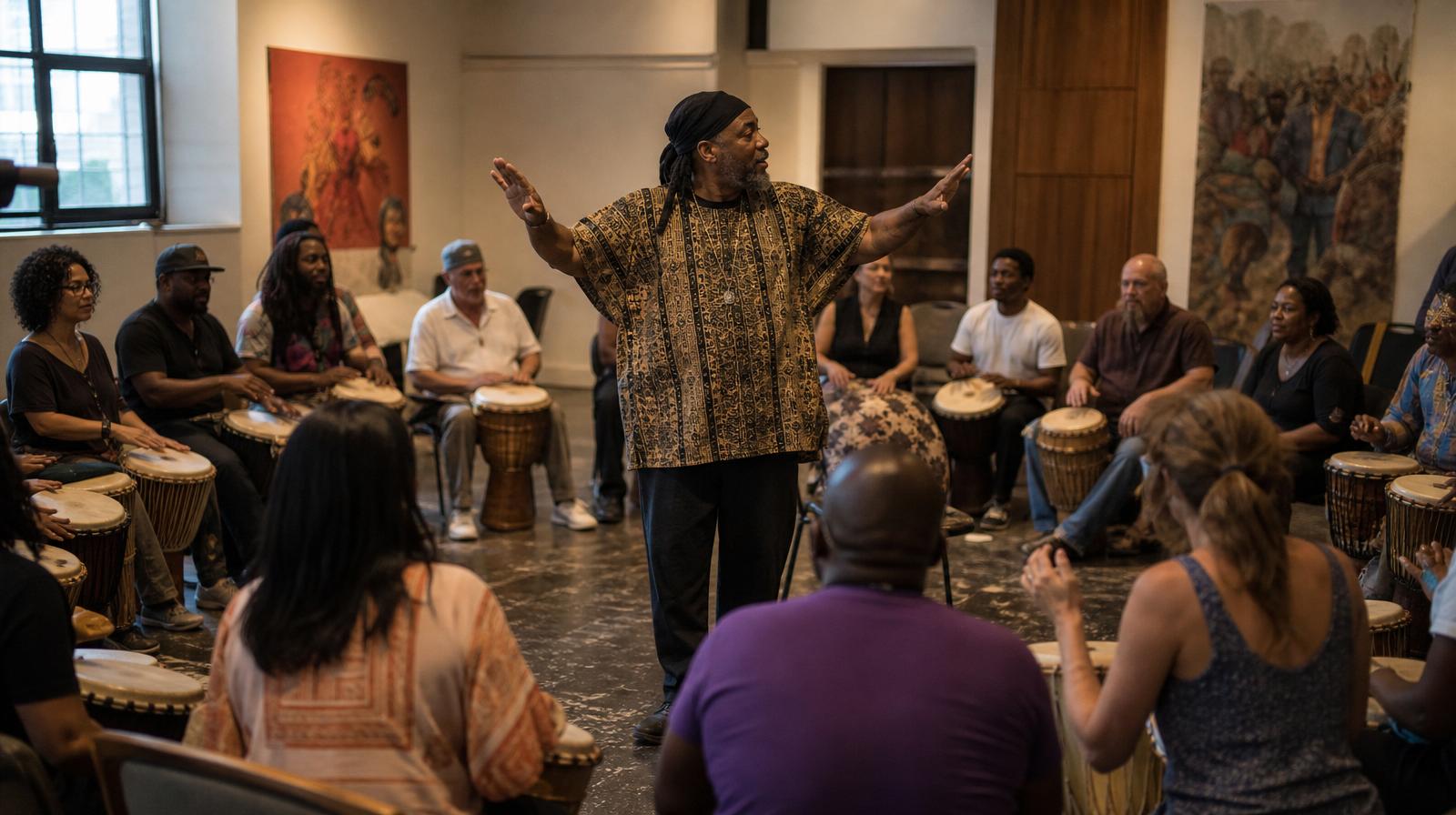
There is something primal and deeply resonant about the sound of a djembe. It is more than just a musical instrument; it is a vessel for history, a tool for communication, and a heartbeat for the community. If you have been drawn to the polyrhythmic sounds of West Africa, seeking out African drumming lessons is the first step on a lifelong journey of musical and personal discovery.
Whether you are looking to master the intricate solo techniques of the djembe or want to provide the steady, grounding heartbeat of the dununs, West African percussion offers a unique blend of physical exercise, mental focus, and social connection.
Why Start African Drumming Lessons?
People come to African drumming for many reasons. For some, it is the allure of the complex rhythms that define West African music. For others, it is the meditative quality of the repetitive patterns.
Learning from a qualified instructor through professional drum lessons provides structure that self-teaching often lacks. You will learn the proper ergonomics to prevent injury, the cultural context of the rhythms you play, and the nuances of tone—slap, tone, and bass—that give the djembe its voice.
The Core Instruments: Djembe and Dunun
Most African drumming lessons in the West focus on the Mandingue traditions of Mali, Guinea, Senegal, and Ivory Coast. The primary instruments you will encounter include:
- The Djembe: A goblet-shaped drum carved from a single piece of hardwood and topped with goatskin. It is known for its wide range of pitches.
- The Dununs (Doundouns): A set of three double-headed cylindrical drums played with sticks. These provide the melodic and rhythmic foundation.
- Kenkeni: The smallest drum with the highest pitch, often keeping the pulse.
- Sangban: The mid-sized drum that typically carries the specific melody of the rhythm.
- Dununba: The largest drum with the deepest bass, providing power and weight.
What to Expect in Your First Lesson
Your first session will likely focus on "the three basic notes." Mastering these is essential before moving on to complex patterns:
- Bass: A deep, resonant strike in the center of the drum.
- Tone: A full, round sound played at the edge of the drum with fingers together.
- Slap: A sharp, high-pitched crack played at the edge with a relaxed hand.
Instructors often use vocalizations (mnemonics) to help students internalize the rhythms. You might hear "Pa-Ti-Pa" or other phrases that mimic the sounds of the drum, making it easier to remember the sequence of hits.
Finding the Right Learning Environment
Depending on your goals, you might choose different paths for your education:
- Community Classes: Often held in community centers or parks, these are great for those looking for a social experience and a low-pressure introduction.
- Specialized Drum Schools: For those who want a deep dive into the technical and cultural aspects, enrolling in drum schools offers a more academic and rigorous approach.
- Private Instruction: If you have specific technical hurdles or prefer a customized pace, one-on-one lessons are the fastest way to improve.
- Retreats: For an immersive experience, rhythm-focused drumming retreats allow you to live and breathe the music for several days or weeks.
The Role of Call-and-Response
One of the most exciting elements of African drumming lessons is learning the "break" or "signal." In West African music, the lead drummer plays a specific phrase that tells the ensemble when to start, stop, or change rhythms. This call-and-response dynamic teaches you to listen as much as you play, fostering a deep sense of connection with your fellow drummers.
Etiquette and Cultural Respect
Learning African drumming is about more than just hitting a drum; it is about honoring a rich cultural heritage. Respecting the instrument, the teacher, and the origins of the music is paramount.
- Always ask before playing someone else's drum.
- Remove rings and jewelry that could damage the drum head.
- Listen more than you play—especially when a teacher or elder is speaking.
- Learn the names and stories behind the rhythms (such as Kuku, Moribayassa, or Djole).
Health and Wellness Benefits
Beyond the music, drumming is a full-body workout. It improves cardiovascular health, enhances hand-eye coordination, and reduces stress by inducing a flow state. Many students find that the communal aspect of drumming helps combat feelings of isolation, providing a supportive network of friends.
Taking the Next Step
Ready to find your rhythm? The best way to learn is to jump in. Start by looking for local teachers who specialize in traditional techniques. As you progress, you'll find that the world of drumming is vast and welcoming.
Find a drum circle near you to practice your new skills and meet the community.
Frequently asked
- Do I need to own a drum to start African drumming lessons?
- Most beginners do not need to own a drum immediately. Many teachers and drum schools provide instruments for rent or use during class, allowing you to try different sizes and styles before making a purchase.
- How long does it take to learn the djembe?
- While you can learn the basic notes and a simple rhythm in your first hour, mastering the djembe is a lifelong pursuit. Most students feel comfortable participating in a community circle after 3 to 6 months of consistent weekly lessons.
- Are African drumming lessons suitable for children?
- Absolutely. African drumming is highly accessible for children as it builds coordination, teamwork, and listening skills. Many instructors offer family-friendly classes or specific youth programs using smaller drums.
Find a drum circle near you
Browse hundreds of circles, teachers and rhythm community gatherings.
Explore drum circles