Find African Drumming Lessons Near Me: A Guide to Rhythm
Discover the vibrant world of African percussion and find the perfect teacher to help you master the djembe and dununs.
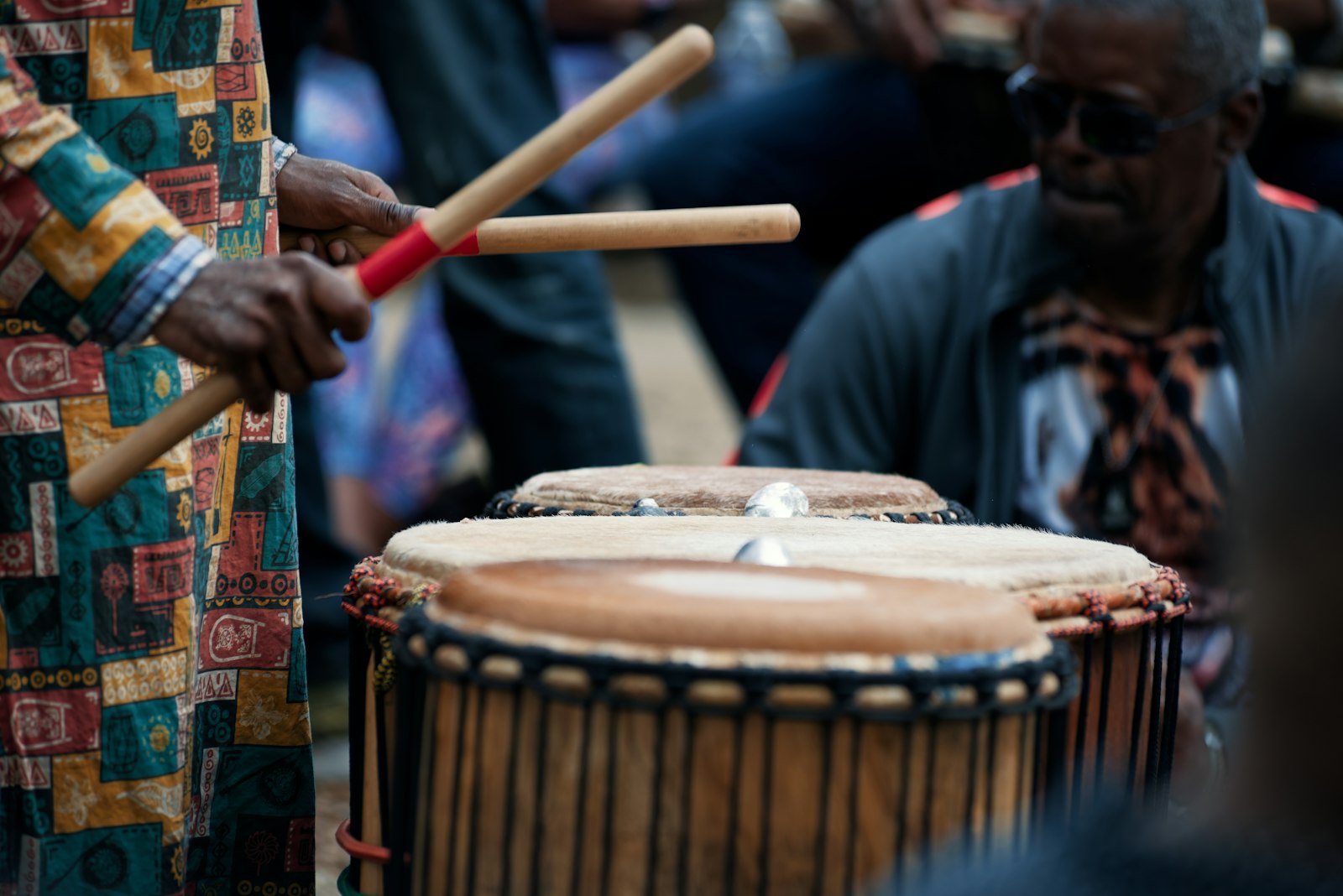
There is a specific kind of magic that occurs when a group of people strikes a drum in unison. The vibration travels from the skin of the drum, through your hands, and settles deep in your chest. For many, the search for "African drumming lessons near me" is the beginning of a lifelong journey into West African culture, community, and personal expression.
Whether you are drawn to the sharp slap of the djembe or the deep, melodic pulse of the dununs, finding the right guidance is essential. This guide will help you navigate the landscape of African percussion education, from local community centers to professional drum schools.
Why Start African Drumming Lessons?
African drumming is more than just keeping time; it is a sophisticated language of polyrhythms and call-and-response patterns. Unlike Western orchestral percussion, West African drumming—specifically the Manding tradition from countries like Guinea, Mali, and Senegal—is deeply rooted in social functions, storytelling, and community celebrations.
Taking formal lessons helps you:
- Develop Proper Technique: Learn how to produce the three fundamental sounds (bass, tone, and slap) without injuring your hands.
- Understand Cultural Context: Great teachers don't just teach rhythms; they teach the history and the specific ceremonies associated with rhythms like Kuku, Djole, or Moribayassa.
- Improve Mental Health: Drumming has been scientifically proven to reduce stress, improve focus, and release endorphins.
- Build Community: Drumming is a social art. Taking lessons often leads to joining local drum circles where you can practice in a supportive environment.
Choosing the Right Instrument: Djembe vs. Dunun
When you start looking for lessons, you’ll likely encounter two primary types of instruments. Most beginners start with the djembe, the goblet-shaped drum played with bare hands. It is portable, versatile, and capable of a wide range of pitches.
However, the heartbeat of West African music lies in the dununs (or dunduns). These are the cylindrical, double-headed drums played with sticks. They consist of the kenkeni (high pitch), sangban (medium pitch), and dundunba (low pitch). A comprehensive lesson program will often introduce you to both, as understanding the dunun part is crucial to mastering the djembe accompaniment.
What to Look for in a Drumming Teacher
Not all drummers are teachers. When searching for drum teachers, look for someone who emphasizes both technique and tradition. A good instructor should be able to break down complex polyrhythms into manageable "building blocks."
Ask these questions before signing up:
- What is your lineage? Many top teachers have studied directly with masters (Djembefolas) from West Africa. Knowing their background ensures you are learning authentic rhythms.
- Do you provide drums? If you don’t own a djembe yet, many drum schools offer rentals or loaner drums for your first few sessions.
- Is the environment inclusive? Look for classes that welcome all skill levels, especially if you are a total beginner.
What to Expect in Your First Lesson
Your first African drumming lesson will likely focus on ergonomics and basic sounds. You’ll learn how to sit with the drum—tilting it slightly away from you to let the sound escape the bottom—and how to strike the skin with a relaxed hand.
Expect to practice "call-and-response." The teacher will play a phrase (the call), and the class will answer with a specific rhythmic pattern. This is the foundation of traditional communication through the drum. Don't worry about being "uncoordinated"; rhythm is a muscle that grows with consistent practice.
Finding Local Communities and Classes
If you live in a major metropolitan area, you might find dedicated studios. In smaller towns, lessons are often held in yoga studios, community centers, or even public parks.
Beyond individual lessons, keep an eye out for events like weekend workshops featuring visiting master drummers. These intensive sessions can fast-track your learning and connect you with the broader regional drumming community.
For those looking to dive even deeper, drumming retreats offer an immersive experience where you can live and breathe rhythm for several days, often in beautiful natural settings that enhance the meditative aspect of the practice.
Tips for Practicing at Home
Progress happens between lessons. To get the most out of your search for "African drumming lessons near me," establish a home practice routine:
- Use a Metronome: It might feel counter-intuitive for such an organic art form, but a metronome helps you internalize a rock-solid tempo.
- Record Your Lessons: With your teacher’s permission, record the rhythms on your phone so you can play along during the week.
- Listen Constantly: Immerse yourself in the music of masters like Mamady Keïta or Famoudou Konaté to get the "swing" of the rhythm into your ears.
Join the Circle
Ultimately, the goal of taking lessons is to find your voice within the collective. African drumming is an oral tradition passed down through the ages, and by picking up the sticks or placing your hands on the skin, you become part of that lineage.
Find a drum circle near you to start your journey today.
Frequently asked
- Do I need to own a drum before starting lessons?
- No, many teachers and drum schools provide instruments for beginners to use during class. It is often better to wait until you've had a few lessons so your teacher can advise you on buying a high-quality, ethically sourced djembe.
- Is African drumming difficult for beginners?
- While the rhythms can become very complex, the basics are accessible to everyone. Most introductory classes focus on simple patterns that allow you to make music with a group immediately, regardless of your musical background.
- What is the difference between a drum circle and a drum lesson?
- A drum lesson is a structured instructional session focused on learning specific techniques and traditional rhythms. A drum circle is usually a more informal community gathering focused on improvisation and social connection.
Find a drum circle near you
Browse hundreds of circles, teachers and rhythm community gatherings.
Explore drum circles