
African Drums for Sale: How to Choose Your Perfect Djembe
Discover how to select high-quality African drums, from hand-carved djembes to melodic dununs, while supporting ethical craftsmanship.
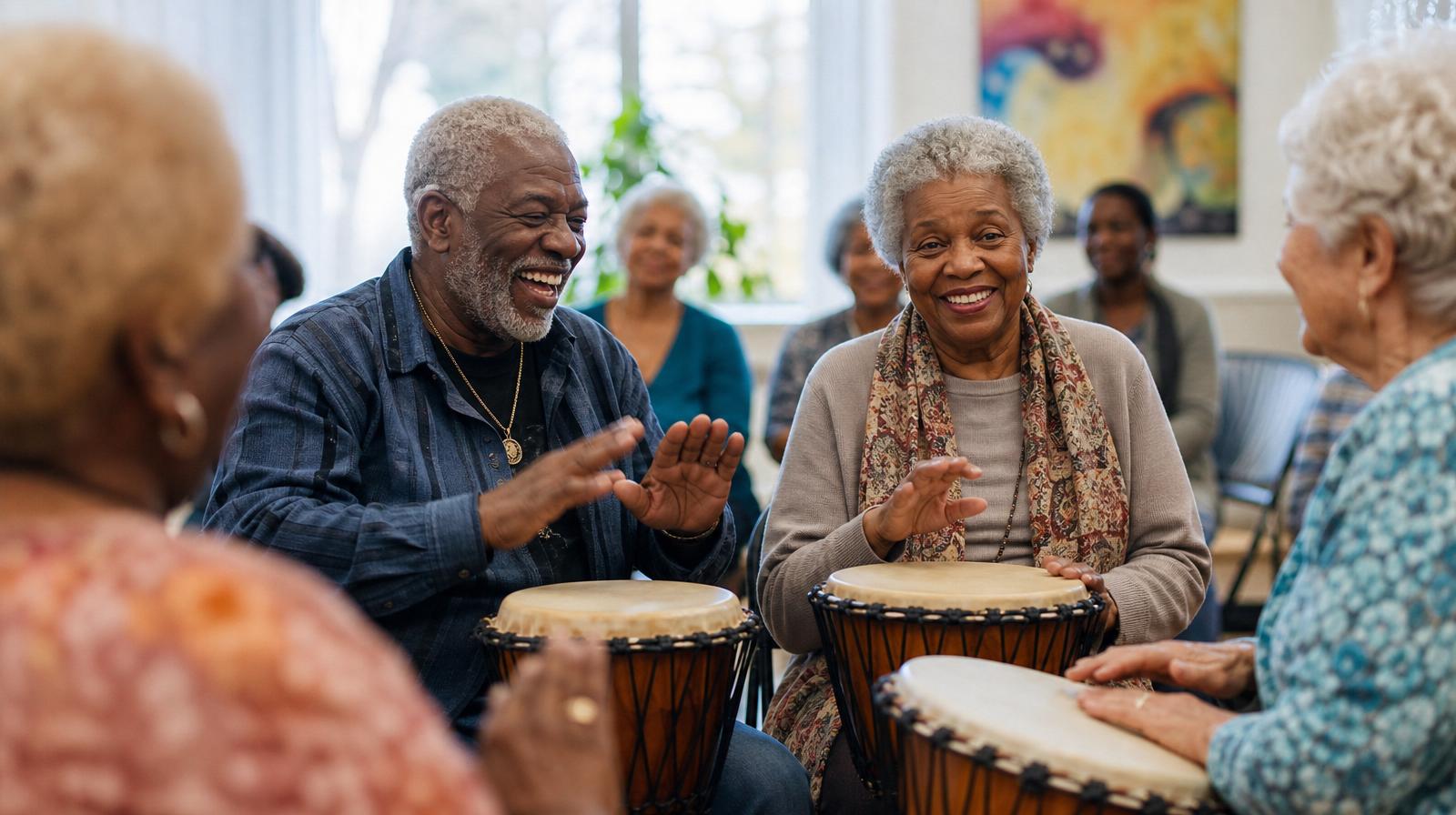
There is a specific magic that happens the moment your hands meet the goatskin head of an authentic West African drum. Whether you are standing in a sun-drenched park during a full-moon gathering or sitting in a focused workshop, the resonance of a well-crafted instrument connects you to a tradition that spans centuries.
If you are searching for African drums for sale, you aren't just buying an instrument; you are choosing a voice. From the sharp, cracking slaps of the djembe to the deep, melodic pulse of the dununs, the right drum becomes a lifelong companion. This guide will help you navigate the nuances of wood types, skin tension, and ethical sourcing so you can find an instrument that sings.
Understanding the Djembe: The Heart of the Circle
The djembe is perhaps the most recognizable African drum in the world. Originally from the Mali Empire, this goblet-shaped drum is designed to produce three distinct sounds: the bass, the tone, and the slap. When browsing for a djembe, the wood is your first point of consideration.
Traditional high-quality djembes are often carved from hardwoods like Lenke, Djalla, or Mahogony. Lenke is often called the 'spiritual wood' and is prized for its balanced resonance. A well-carved shell should be uniform in thickness and free of large cracks. While many mass-produced 'African drums for sale' use plywood or fiberglass, a solid-log drum offers a warmth and complexity of sound that synthetic materials simply cannot replicate.
The Power of the Dununs: The Foundation of Rhythm
In a traditional West African ensemble, the djembes provide the lead and accompaniment, but the dununs (or dunduns) provide the heartbeat. These cylindrical, double-headed drums are typically played with sticks and often have a bell attached to the side.
- Dundunba: The largest drum, providing the deep, low-end bass.
- Sangban: The mid-sized drum that often defines the specific rhythm's melody.
- Kenkeni: The smallest drum, keeping a steady, high-pitched pulse.
If you are looking to build a community ensemble, investing in a set of dununs is essential. They ground the circle and allow djembe players to explore polyrhythmic improvisations without losing the beat.
What to Look for in a Quality Hand Drum
When evaluating African drums for sale, look beyond the aesthetic carvings. A beautiful drum that won't hold its tune is merely a piece of furniture. Check these vital components:
- The Skin: Authentic West African drums typically use goatskin. Look for a skin that is free of nicks or deep scars. Cowhide is often used for dununs to provide a thicker, mellower tone.
- The Bearing Edge: Run your finger along the rim under the skin. It should be perfectly smooth and rounded. A sharp or uneven edge will cause the skin to tear under high tension.
- The Rope: High-quality pre-stretched maritime rope is a must. If the rope is thin or feels like cheap hardware store twine, the drum will constantly lose its pitch.
- The Rings: Ensure the steel rings are custom-fitted to the shell. Gaps between the ring and the wood can lead to uneven tensioning.
Ethical Sourcing and Craftsmanship
As the popularity of hand drumming grows, so does the market for cheaply made imports. When searching for African drums for sale, we encourage you to support fair-trade initiatives and master carvers. Authentic instruments are hand-carved by artisans in countries like Guinea, Mali, Ivory Coast, and Senegal.
Buying from reputable importers ensures that the carvers are paid a living wage and that the wood is harvested sustainably. Furthermore, many of these professional-grade drums are finished by expert drum teachers or builders who understand how to pull the skin to the perfect tension for your climate.
Preparing for Your First Circle
Once you have found your drum, the next step is joining the rhythm community. For beginners, the etiquette is simple: listen more than you play. Every circle has its own 'vibe,' from meditative and quiet to high-energy and dance-focused.
If you're feeling nervous about your technique, consider looking into local drum schools to learn the basic hand positions. Proper form not only produces a better sound but also protects your hands and wrists from strain. Once you feel comfortable with your bass, tone, and slap, you can find a variety of community events where you can put your new instrument to use.
Maintaining Your Investment
An African drum is a living thing. Because it is made of wood and skin, it reacts to temperature and humidity. To keep your drum in top shape:
- Avoid Extreme Heat: Never leave your drum in a hot car, as the skin can over-tighten and snap or the wood can crack.
- Hydrate the Wood: Occasionally applying a light layer of shea butter or food-grade oil to the exposed wood can prevent drying.
- Tune Regularly: Learn the 'Mali Weave' or diamond hitch to pull the vertical ropes and keep your djembe sounding crisp.
Find Your Rhythm
Finding the right drum is the beginning of a transformative journey. Whether you are seeking the therapeutic benefits of vibration or the social connection of a group, your drum is the key. Once you have your instrument in hand, it is time to find your tribe.
Find a drum circle near you at /drum-circles.
Frequently asked
- What is the best size djembe for a beginner?
- For most adults, a djembe with a head diameter of 12 to 13 inches is ideal. This size provides a full range of sound without being too heavy to transport to local circles.
- Why are some African drums so much more expensive than others?
- Price usually reflects the quality of the wood (hardwood vs. softwood), the thickness of the skin, and the skill of the carver. Professional-grade drums are hand-carved from a single log and use high-tensile rope that stays in tune longer.
- Can I play an African djembe if I have no musical experience?
- Absolutely! The djembe is one of the most accessible instruments for beginners. Many people start by attending community drum circles where they can pick up basic rhythms through call-and-response.
Find a drum circle near you
Browse hundreds of circles, teachers and rhythm community gatherings.
Explore drum circles