Are Drum Circles Beginner Friendly? A Guide for New Drummers
Curious about joining a rhythm community but nervous about your skills? Discover why drum circles are the most inclusive way to start your musical journey.
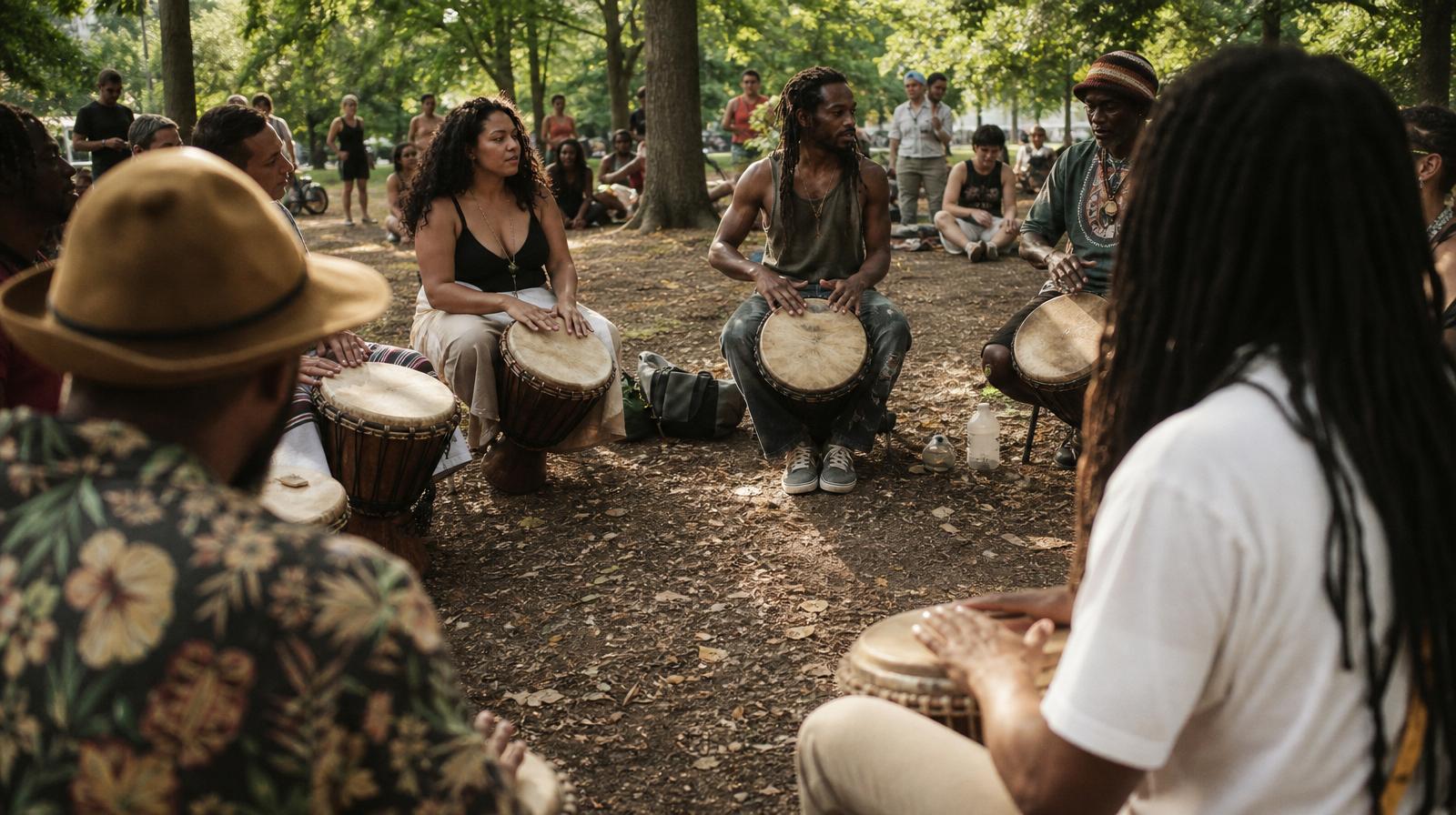
Walking toward a park or community center and hearing the distant, thunderous pulse of dozens of drums can be both exhilarating and intimidating. If you have never held a djembe or can’t tell a conga from a cajon, your first thought is likely: "Are drum circles beginner friendly, or will I stick out like a sore thumb?"
The short answer is a resounding yes. In fact, drum circles are perhaps the most accessible entry point into the world of music-making. Unlike an orchestra or a rock band, where you need years of technical proficiency to participate, a drum circle thrives on the collective energy of people at every skill level.
The Inclusive Nature of Community Rhythm
At its core, a drum circle is not a performance; it is a conversation. Just as you don't need to be an orator to speak with friends, you don't need to be a master percussionist to contribute to a rhythm. Most circles are founded on the principle of "inclusive community."
In a typical gathering, you will find a mix of professional facilitators, hobbyists who have played for decades, and people who literally picked up an instrument five minutes ago. The beauty of the circle is that the complex rhythms played by the experienced drummers provide a sturdy "nest" for beginners to lay down simple, steady beats.
Facilitated vs. Organic Circles: Which is Better for Beginners?
When asking if drum circles are beginner friendly, it helps to know which type of circle you are attending.
Facilitated Drum Circles
These are the gold standard for beginners. A trained drum circle facilitator acts as a rhythmic conductor. They use body language and verbal cues to help the group start, stop, and change dynamics. They often provide instruments and ensure that no one feels lost. If you are nervous, look for events that specifically mention a facilitator.
Organic or "Beach" Circles
These are more free-form. There is no central leader, and the rhythm evolves naturally. While still very beginner friendly, they require a bit more listening and observation to find your place in the groove.
Essential Instruments for the First-Timer
You don’t need to own an expensive instrument to join. Many circles have a "community bin" of percussion. If you are looking to buy or borrow your first drum, here are the most common sights:
- Djembe: The most popular choice. It has three distinct sounds (bass, tone, and slap) and is easy to learn the basics on.
- Congas: Tall, barrel-shaped drums that provide a warm, melodic pulse.
- Frame Drums: Large, shallow drums often played with the hands or a soft mallet; perfect for those who want a lighter touch.
- Dunun: Large African bass drums played with sticks, often providing the "heartbeat" of the rhythm.
- Small Percussion: If you aren't ready to drum, pick up a shaker, a tambourine, or a cowbell. These are vital for keeping the pulse.
Basic Etiquette: How to Blend In
While the atmosphere is relaxed, following a few simple "unwritten rules" will make you feel like a pro instantly:
- Listen More Than You Play: When you first sit down, listen to the established beat for a minute before joining in.
- Support the Low End: Beginners often do best by playing a simple, steady bass note on the "1" beat. This helps ground the group.
- Don’t Overplay: You don't need to fill every silence. Leaving space in the music is just as important as the notes you play.
- Ask Before Borrowing: If there is a drum sitting empty, always ask the person next to it if it belongs to someone before you start playing it.
- Respect the Facilitator: If a facilitator signals for a volume drop or a stop, follow their lead immediately.
Overcoming "Rhythm Anxiety"
Many adults carry the baggage of being told they "don't have rhythm" in childhood music classes. Drum circles are the perfect place to heal that narrative. Because drumming is a physical, primal activity, your body often knows what to do even if your mind is overthinking it.
If you find yourself getting off-beat, don't panic. Simply stop, take a breath, listen to the bass drums, and start again. No one is judging you; they are too busy enjoying their own rhythmic journey. If you want a little extra confidence before your first circle, consider connecting with drum teachers or visiting drum schools for a single introductory lesson.
Finding Your Tribe
The best way to start is to simply show up. Whether it’s a full-moon gathering on a beach, a family-friendly circle at a local library, or a therapeutic rhythm group, you will find that the drumming community is one of the most welcoming on earth. For those looking for a deeper immersion, drumming retreats offer a way to learn in a supportive, multi-day environment.
Ready to find your beat?
Frequently asked
- Do I need to bring my own drum to a circle?
- Not necessarily. Many facilitated drum circles provide 'community' instruments for newcomers to use. However, it is always a good idea to check the event description or contact the organizer beforehand to ensure there are enough drums to go around.
- What should I wear to a drum circle?
- Comfort is key. Wear loose-fitting clothing that allows you to sit comfortably with a drum between your legs. Avoid wearing large rings, bracelets, or watches, as these can damage the drum head and hurt your hands while playing.
- Can children participate in drum circles?
- Most community drum circles are highly family-friendly and welcome children of all ages. Drumming is a fantastic way for kids to develop coordination and social skills, though parents should ensure their children follow the basic etiquette of the group.
- How long do drum circles usually last?
- A typical community drum circle lasts anywhere from 90 minutes to three hours. Participants are usually welcome to come and go as they please, though it is polite to enter and exit quietly during a natural lull in the music.
Find a drum circle near you
Browse hundreds of circles, teachers and rhythm community gatherings.
Explore drum circles