
Asheville Community Drum Circle: A Guide to Pritchard Park Rhythm
Discover the heartbeat of the Blue Ridge Mountains with our deep dive into the legendary Asheville community drum circle at Pritchard Park.
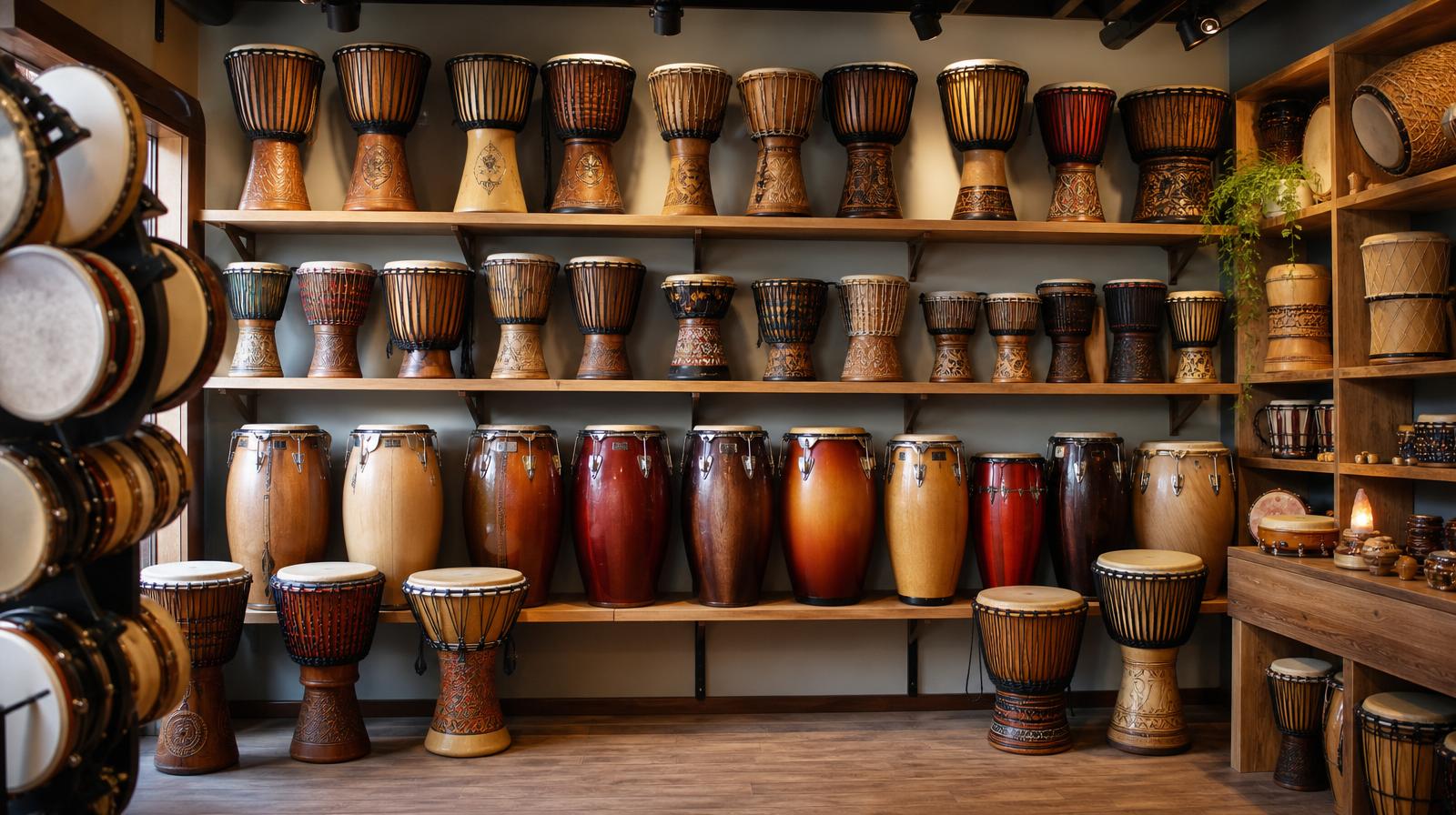
If you find yourself walking through the brick-lined streets of downtown Asheville, North Carolina, on a Friday evening between April and October, you won’t need a map to find the city’s heart. You only need to follow your ears. The thunderous, rhythmic pulse of the Asheville community drum circle echoing off the surrounding buildings is a siren song for locals and travelers alike.
For decades, this gathering has served as the unofficial kickoff to the weekend in "Land of the Sky." It is more than just a musical performance; it is a living, breathing example of how rhythm can bridge gaps between strangers, cultures, and generations. Whether you are a seasoned percussionist with a professional-grade djembe or a curious visitor looking to clap along, the Asheville scene offers a unique window into the power of the beat.
The History of the Pritchard Park Drum Circle
The Asheville community drum circle didn't start as a sanctioned city event. It began organically in the late 1990s, when a small group of drummers started meeting in Pritchard Park—a small, triangular urban oasis at the intersection of Patton Avenue and College Street. What started as a handful of friends grew into a massive weekly phenomenon that now attracts hundreds of participants and spectators.
Today, the event is a staple of Asheville’s "Keep Asheville Weird" culture. It represents the city’s commitment to public art and community expression. While many cities struggle to maintain public spaces for spontaneous music, Asheville has embraced the circle, recognizing it as a vital part of the local tourism and cultural identity.
What to Expect: The Sights and Sounds
As the sun begins to dip behind the Blue Ridge Mountains, the first few beats emerge. Usually, a steady bass line from a large dunun or a deep-toned conga sets the foundation. Within thirty minutes, the park is transformed.
You will see a diverse array of instruments, including:
- Djembes: The most common drum, providing the high-slap tones and deep bass notes.
- Doumbeks: Middle Eastern goblet drums that add intricate, sharp textures.
- Frame Drums: Used for subtle, earthy rhythms.
- Auxiliary Percussion: Cowbells, shakers, woodblocks, and tambourines that fill in the rhythmic gaps.
The energy is palpable. In the center of the concrete amphitheater, dancers often move to the rhythm, their movements dictated by the shifting tempos of the drummers. The crowd is a mix of dreadlocked locals, families with toddlers, and retirees, all swaying to the same pulse.
Etiquette for the Asheville Community Drum Circle
While the Asheville community drum circle is open to everyone, there are unwritten rules that keep the rhythm cohesive and the atmosphere respectful. If you are planning to join in, keep these tips in mind:
- Listen First: Before you strike your drum, listen to the established beat for a few minutes. Try to find a way to complement the rhythm rather than playing over it.
- Respect the "Center": The middle of the circle is generally for dancers. If you are drumming, stay on the perimeter or the stone tiers to allow space for movement.
- Ask Before Borrowing: Asheville is home to many professional musicians. If you see an instrument sitting unattended, never assume it’s for public use. Always ask the owner first.
- Volume Control: A drum circle is a conversation. If you are playing so loudly that you can't hear the person next to you, you are likely overpowering the group.
- Share the Space: If the park is crowded, be mindful of your footprint. Large kits are beautiful, but in a packed Pritchard Park, a single djembe or cajon is often more practical.
If you're new to the scene and want to polish your skills before jumping into a large public event, consider browsing our drum teachers directory to find a mentor who can teach you the basics of West African or Afro-Cuban rhythms.
Why Drumming Matters to Asheville
The Asheville community drum circle is more than just entertainment; it is a form of collective therapy. In a world that is increasingly digital and isolated, the act of drumming together creates a "rhythmic entrainment" that has been shown to reduce stress and boost immune function. For the people of Asheville, the Friday night circle is a weekly reset—a chance to vibrate at the same frequency as their neighbors.
This sense of connection is why many participants eventually seek out more intensive experiences, such as drumming retreats, to deepen their practice and connect with the global drumming community.
Beyond the Park: The Greater Asheville Rhythm Scene
While Pritchard Park is the most famous spot, Asheville’s rhythm culture extends far beyond downtown. The city is a hub for world-class percussionists and instrument makers.
- Indoor Circles: During the winter months, many drummers move to indoor community centers or private studios to keep the beat alive.
- Workshops: Local drum schools frequently host visiting masters from Guinea, Mali, and Senegal to teach traditional rhythms.
- Full Moon Gatherings: More private, spiritual drumming events often take place in the surrounding forests, focusing on the meditative aspects of the frame drum and flute.
If you are visiting for a weekend, be sure to check our events page to see if there are any special workshops or festivals happening during your stay.
Tips for Your First Visit
If you are heading to the Asheville community drum circle for the first time, here are a few logistical tips to make your experience seamless:
- Arrive Early: The best spots for sitting and drumming fill up by 6:30 PM.
- Parking: Use the Wall Street or Rankin Avenue parking garages; street parking is almost impossible to find on Friday nights.
- Hydration: Asheville summers can be humid. Bring water, though there are plenty of local cafes surrounding the park.
- Bring the Kids: The circle is incredibly family-friendly. It is a wonderful place for children to experience live music and dance in a safe, vibrant environment.
Conclusion: Join the Heartbeat
The Asheville community drum circle is a testament to the enduring power of the drum. It is a place where the only requirement for entry is a heartbeat and a willingness to listen. Whether you are there to lead a complex polyrhythm or simply to soak in the energy of the Blue Ridge, you are part of something much larger than yourself.
Find a drum circle near you.
Frequently asked
- What time does the Asheville drum circle start?
- The Asheville community drum circle at Pritchard Park typically begins around 6:00 PM every Friday evening from April through October. The energy usually peaks between 7:30 PM and 9:00 PM before winding down as the sun sets.
- Can I participate if I don't own a drum?
- Absolutely! Many people participate by dancing, clapping, or using small handheld percussion like shakers. While there aren't official 'loaner' drums, the atmosphere is welcoming, and sometimes friendly locals may share their instruments if you ask politely.
- Is the Asheville drum circle canceled if it rains?
- Yes, because many of the instruments are made with natural animal skins that can be damaged by moisture, the outdoor circle at Pritchard Park is weather-dependent. If there is a light drizzle, some drummers may stay under the park's overhangs, but heavy rain usually cancels the event.
- Is the drum circle free to attend?
- Yes, the Asheville community drum circle is a free public event open to everyone. It is a non-commercial gathering supported by the city and the local community, making it one of the best free things to do in downtown Asheville.
Find a drum circle near you
Browse hundreds of circles, teachers and rhythm community gatherings.
Explore drum circles