Asheville Drum Circle Beginners: Your Guide to Pritchard
Experience the rhythmic heartbeat of the Blue Ridge Mountains with our complete guide to joining the iconic Asheville drum circle as a beginner.
Every Friday night, as the sun dips behind the Blue Ridge Mountains, a rhythmic pulse begins to echo through the brick-lined streets of downtown Asheville. This is the heartbeat of the city: the Pritchard Park drum circle. For over twenty years, this gathering has served as a sanctuary for self-expression, community building, and raw musical energy.
If you are looking into the Asheville drum circle for beginners, you might feel a mix of excitement and intimidation. You see the seasoned djembe players with lightning-fast hands and the dancers swirling in the center, and you wonder: "Can I really join in?" The answer is a resounding yes. This guide will walk you through everything you need to know to transition from a curious spectator to a confident participant.
The Magic of Pritchard Park
The Asheville drum circle isn't just a performance; it’s a living, breathing entity. Unlike a formal concert, there is no stage and no ticket price. It is a grassroots event where locals and tourists, professionals and novices, all converge to create a collective sound.
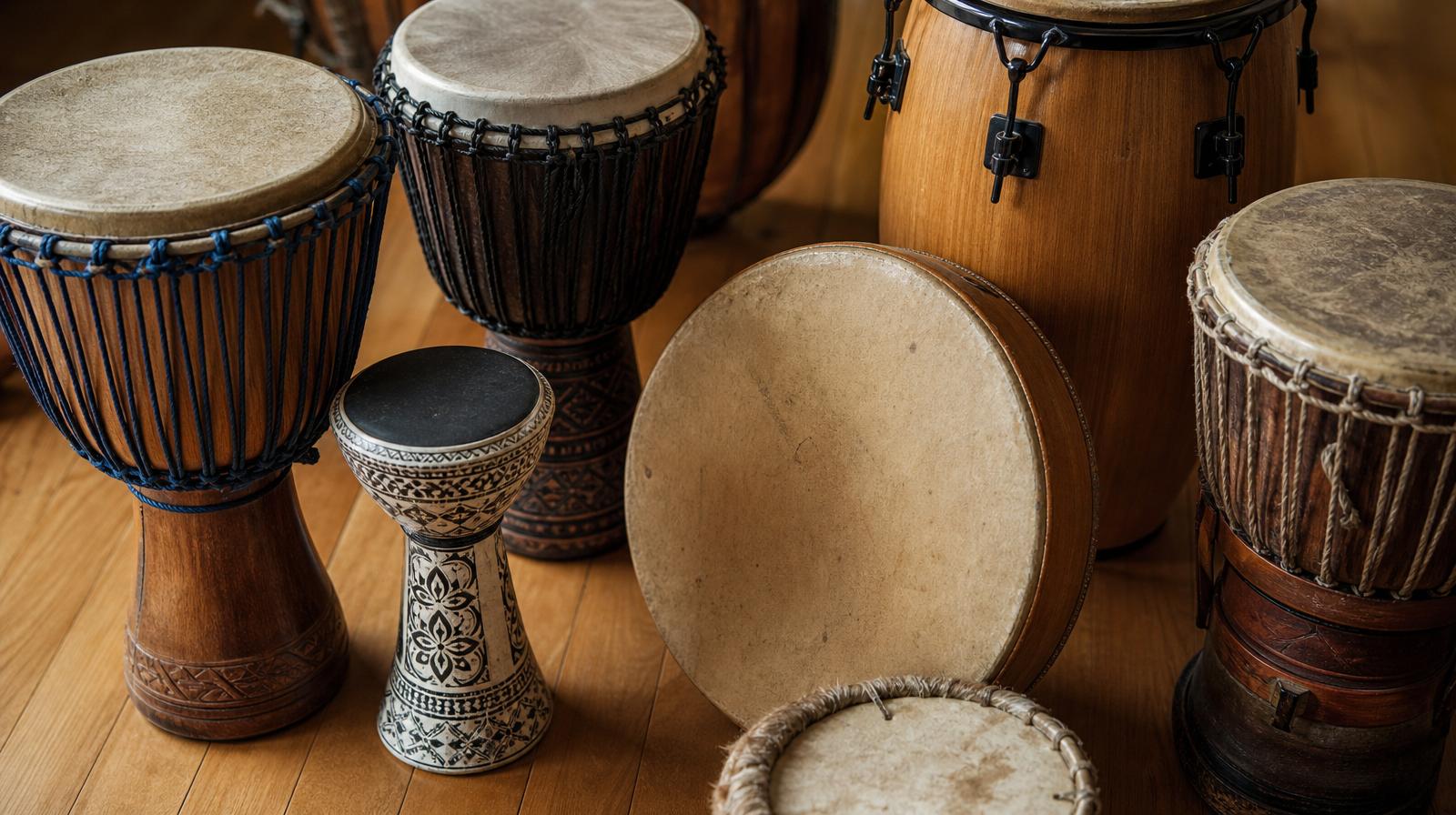
For a beginner, the sheer volume can be overwhelming at first. You’ll hear a tapestry of sounds: the deep, earthy bass of the djembe, the sharp crack of the doumbek, the metallic ring of a cowbell, and sometimes the steady thrum of a frame drum. Understanding that this is a community space is the first step toward feeling at home.
Choosing Your First Instrument
You don't need a high-end professional drum to start. In fact, many people begin with nothing more than their hands or a simple shaker. However, if you want to dive in, here are the most common instruments you'll see:
- Djembe: The king of the circle. It offers three distinct sounds (bass, tone, and slap) and is versatile enough for any rhythm.
- Congas: These provide a warm, melodic quality that fills out the middle frequencies of the circle.
- Dunun: These are the large, cylindrical bass drums played with sticks, often providing the foundational heartbeat.
- Shakers and Tambourines: Perfect for beginners who want to lock into the pulse without the pressure of leading a rhythm.
If you aren't ready to buy your own, check our listings for drum schools in the Western North Carolina area that offer rentals or introductory workshops.
Essential Etiquette for Beginners
While the Asheville circle is known for its "anything goes" vibe, there are unwritten rules that keep the rhythm from devolving into chaos. Following these will help you earn the respect of the veteran players:
- Listen First, Play Second: When you arrive, spend ten minutes just listening. Identify the main pulse. Don't try to play over it; try to play with it.
- Support the Bass: The center of the circle usually holds the foundational rhythm. If you are a beginner, try to mirror the simplest part of the beat rather than playing a complex solo.
- Leave Space: You don't have to play on every single beat. Silence is a musical note, too. Leaving "air" in the rhythm allows other instruments to be heard.
- Ask Before Borrowing: Never pick up someone else's drum without asking. Many of these instruments are handmade works of art with deep personal value to the owner.
- Respect the Dancers: The center of the circle is for movement. Ensure you aren't crowding the dancers, as their energy often fuels the drummers' intensity.
Finding Your Rhythm: Tips for Success
If you’ve never held a drum before, the Asheville drum circle for beginners can feel like a fast-moving train. To stay on track, focus on your "dominant" hand for the downbeat. Most rhythms in the park are in 4/4 or 6/8 time. Find the "one" (the first beat of the measure) and make sure your bass stroke lands there every time.
If you find yourself getting off-beat, stop playing, take a breath, and wait for the "one" to come back around. No one will judge you for pausing; they will appreciate you staying in sync.
Beyond the Park: Learning the Craft
While Pritchard Park is a great place to practice, it isn't necessarily a place for formal instruction. If you find yourself falling in love with the rhythm, you may want to seek out drum teachers who specialize in West African or Afro-Cuban percussion. Asheville is home to world-class instructors who can teach you proper hand technique to prevent injury and help you understand the cultural history behind the rhythms.
Additionally, many local events throughout the year offer intensive workshops where you can move beyond the basics and learn the traditional "call-and-response" patterns that define professional drumming.
What to Bring to the Circle
To make the most of your Friday night, come prepared. Here is a quick checklist for the Asheville drum circle:
- Ear Protection: It gets loud. High-fidelity earplugs are a lifesaver.
- A Small Stool: While many people stand, a folding stool is great for long sessions.
- Water: Drumming is a physical workout. Stay hydrated.
- An Open Mind: You will meet people from all walks of life. Embrace the diversity.
Why Drumming Matters
Beyond the music, the Asheville drum circle is a tool for wellness. Science has shown that group drumming reduces stress, boosts the immune system, and creates a sense of social belonging. For a beginner, the act of contributing to a collective sound can be a powerful confidence builder. It is a place where words aren't necessary—the drum speaks for you.
Whether you are a local or just visiting for a mountain retreat, the Friday night circle is an essential Asheville experience. It represents the city's spirit of inclusivity and creativity. So, grab a shaker, find a spot on the bricks, and let the rhythm take over.
Find a drum circle near you and start your rhythmic journey today.
Frequently asked
- What time does the Asheville drum circle start?
- The drum circle typically begins around 6:00 PM every Friday evening during the warmer months (April through October). It usually winds down around 9:00 PM or 10:00 PM as the downtown noise ordinances take effect.
- Is the Pritchard Park drum circle family-friendly?
- Yes, it is a very family-friendly environment. You will see children dancing in the center and elders watching from the benches; however, it does get quite loud and crowded, so keep a close eye on little ones.
- Do I need to bring my own drum to participate?
- While most participants bring their own instruments, it is not strictly required. Sometimes friendly locals will have an extra shaker or bell to share, but to guarantee you can play, it's best to bring a small hand drum or percussion toy.
Find a drum circle near you
Browse hundreds of circles, teachers and rhythm community gatherings.
Explore drum circles