
Asheville Drum Circle Dancers: A Guide to Pritchard Park
Discover the vibrant heartbeat of the Blue Ridge Mountains where Asheville drum circle dancers and world-class percussionists meet every Friday night.
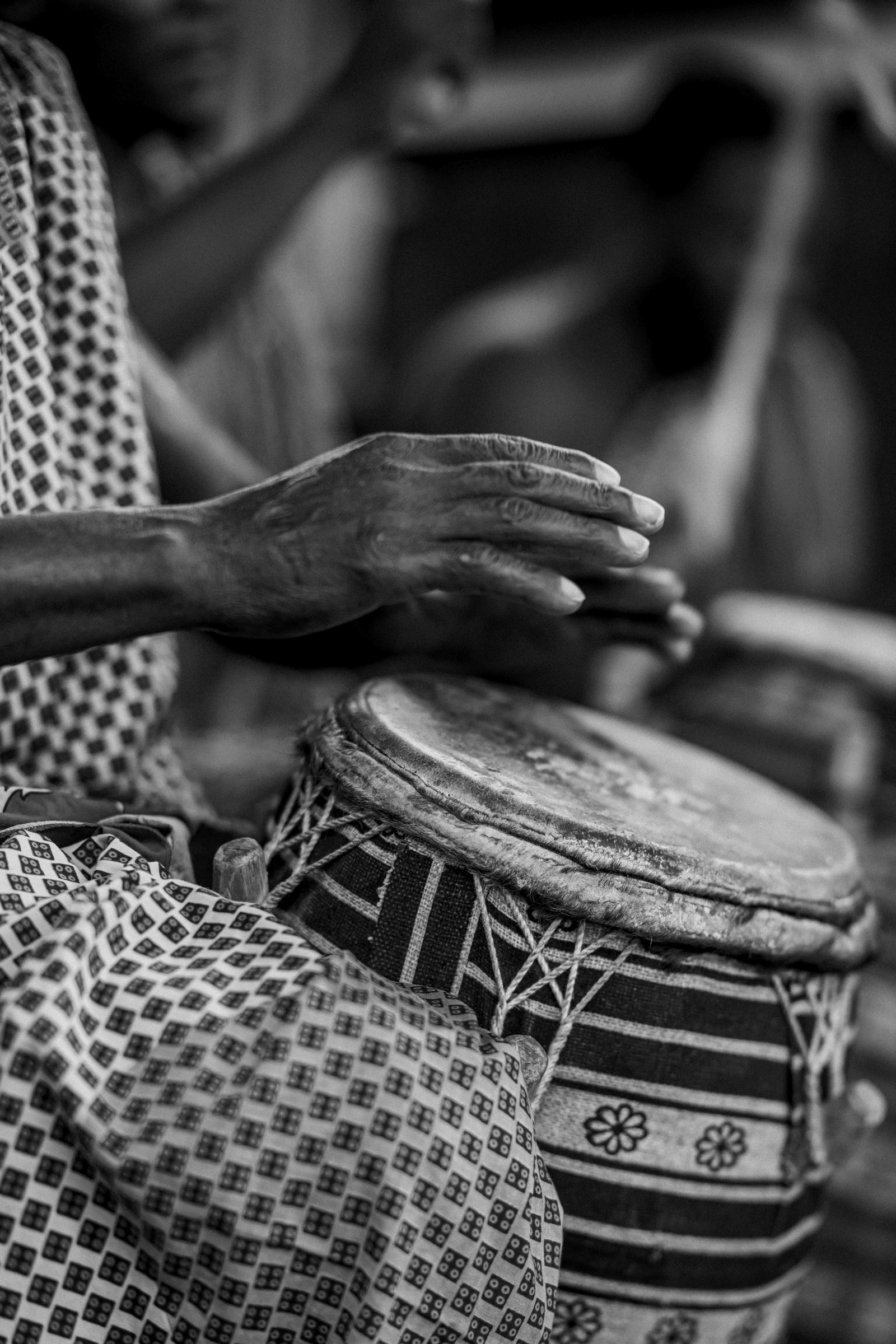
If you find yourself in downtown Asheville on a Friday evening between April and October, you don't need a map to find the city's heartbeat. You simply follow the sound. The resonant crack of a djembe and the deep, earth-shaking thrum of the dununs will lead you directly to Pritchard Park. Here, the Asheville drum circle dancers and percussionists create a weekly ritual that has become a cornerstone of Appalachian culture.
This isn't just a performance; it’s a living, breathing ecosystem of rhythm. From professional facilitators to toddlers taking their first steps, the circle represents the inclusive spirit of Western North Carolina. Whether you are a seasoned dancer or a curious traveler, understanding the flow of this unique gathering will help you find your place in the rhythm.
The History of the Pritchard Park Drum Circle
For over twenty years, the Asheville drum circle has transformed a small urban amphitheater into a sacred space for community expression. What started as a small group of friends meeting to share rhythms has evolved into a massive weekly event that draws hundreds of participants.
Unlike many organized events, the Asheville circle is grassroots and self-organizing. There is no stage and no paid performers. The energy is fueled entirely by the passion of the Asheville drum circle dancers and the stamina of the drummers. It is a testament to the power of community-led rhythm to bridge social and generational gaps.
The Role of the Asheville Drum Circle Dancers
In many traditional West African cultures, the drum and the dance are inseparable—one cannot exist without the other. In Asheville, the dancers are the visual representation of the music. As the drummers build the tempo, the dancers respond with fluid movements that mirror the complexity of the beat.
Among the Asheville drum circle dancers, you will see a beautiful diversity of styles:
- Modern Interpretive: Dancers who move intuitively to the polyrhythms of the congas and doumbeks.
- Traditional African Dance: Practitioners who have studied the specific movements that correspond to rhythms like Kuku or Moribayassa.
- Flow Arts: It is common to see hoopers and silk veil dancers spinning on the outskirts of the inner circle.
- The "Spirit Dance": Many locals view the Friday night ritual as a form of moving meditation or a way to shake off the stress of the work week.
The Instruments That Drive the Dance
While the dancers provide the visual energy, the drummers provide the foundation. If you look closely at the center of the park, you’ll see a wide array of percussion instruments, each serving a specific role in the sonic landscape:
- The Djembe: The lead voice. Its high-pitched slaps and deep bass notes signal changes in the rhythm that the Asheville drum circle dancers follow.
- The Dununs (Doundouns): These large, double-headed drums played with sticks provide the melodic bassline. They are the "heartbeat" that dancers feel in their chests.
- Congas and Bongos: These add a melodic, Latin-influenced flair to the circle, often filling the gaps between the djembe hits.
- Frame Drums and Doumbeks: These instruments often appear on the periphery, adding intricate textures and Middle Eastern influences to the mix.
- Shakers and Cowbells: Essential for keeping the "pulse" or the timeline, helping everyone stay in sync.
Etiquette for Dancers and Spectators
To keep the energy positive and the space welcoming, the Asheville community follows a set of unwritten rules. If you are planning to join the Asheville drum circle dancers, keep these etiquette tips in mind:
- Respect the Inner Circle: The very center of the circle is usually reserved for the most active dancers and the loudest drummers. If you are just starting out, find a spot on the mid-ring where you have room to move without bumping into others.
- Ask Before You Play: If someone has stepped away from their drum, do not simply sit down and play it. Most drummers are happy to share, but it is polite to ask first.
- Follow the Pulse: If you are dancing, try to lock into the main beat. This helps the drummers stay focused. If the rhythm feels too fast or complex, look for a drum teacher in the area to help you understand the basics of timing.
- Keep it Family-Friendly: The Asheville drum circle is a multi-generational space. Be mindful of your movements and language, as there are often many children participating.
- Support the Local Economy: Many of the regulars are local artists and teachers. If you enjoy the vibe, consider looking for local drum schools to deepen your practice.
Why Dancing to Drums is Good for the Soul
The Asheville drum circle dancers aren't just having fun; they are engaging in a practice that has profound health benefits. Rhythmic movement has been shown to reduce cortisol levels, boost the immune system, and foster a sense of social belonging. In a world that is increasingly digital and isolated, the physical act of dancing in a circle with strangers is a powerful antidote to loneliness.
The "trance-like" state that many dancers experience is a result of entrainment—where the body's internal rhythms (like heart rate and brain waves) synchronize with the external beat of the drums. This is why many people leave the Friday night circle feeling energized and refreshed.
Planning Your Visit to Pritchard Park
If you want to witness the Asheville drum circle dancers in action, here are the logistical details you need:
- When: Every Friday night, typically from 6:00 PM until 10:00 PM (weather permitting).
- Season: The main season runs from April through the end of October. During the winter, some drummers move to indoor venues or local drumming retreats.
- Where: Pritchard Park, located at the intersection of Patton Avenue and College Street in the heart of downtown Asheville.
- Cost: Free! However, the circle relies on the community to keep the park clean and the atmosphere respectful.
Finding More Rhythm in Asheville
While the Friday night circle is the most famous, Asheville is home to a year-round rhythm community. Many of the Asheville drum circle dancers also participate in full-moon gatherings, private jams, and workshops hosted by local facilitators. If you find yourself hooked on the beat, the Blue Ridge Mountains offer endless opportunities to explore percussion and movement.
For those who want to take the experience home, Asheville has several shops where you can purchase high-quality djembes or handpans. Many of the drummers you see in the park also offer private lessons for those looking to move from the dance floor to the drum stool.
Find a drum circle near you and join the global rhythm community today!
Frequently asked
- What time does the Asheville drum circle start?
- The drum circle at Pritchard Park typically begins around 6:00 PM every Friday evening during the warmer months (April through October). It usually reaches its peak energy around 8:00 PM and concludes by 10:00 PM.
- Can anyone join the Asheville drum circle dancers?
- Yes, the circle is open to everyone regardless of skill level. Whether you are a professional dancer or someone who just wants to sway to the beat, you are welcome to join the space as long as you are respectful of others.
- Is the Asheville drum circle kid-friendly?
- Absolutely. The Friday night gathering is a family-friendly event where you will see people of all ages, from infants to seniors. It is a great place for children to experience live music and dance in a community setting.
- What happens if it rains on Friday night?
- Because the event is outdoors at Pritchard Park, it is weather-dependent. If there is heavy rain or lightning, the circle is usually cancelled, though some dedicated drummers may move to covered areas nearby if the weather is light.
Find a drum circle near you
Browse hundreds of circles, teachers and rhythm community gatherings.
Explore drum circles