
Asheville Evening Drum Circle: A Guide to Pritchard Park Rhythm
Experience the heartbeat of the Blue Ridge Mountains with our deep dive into the legendary Asheville evening drum circle at Pritchard Park.
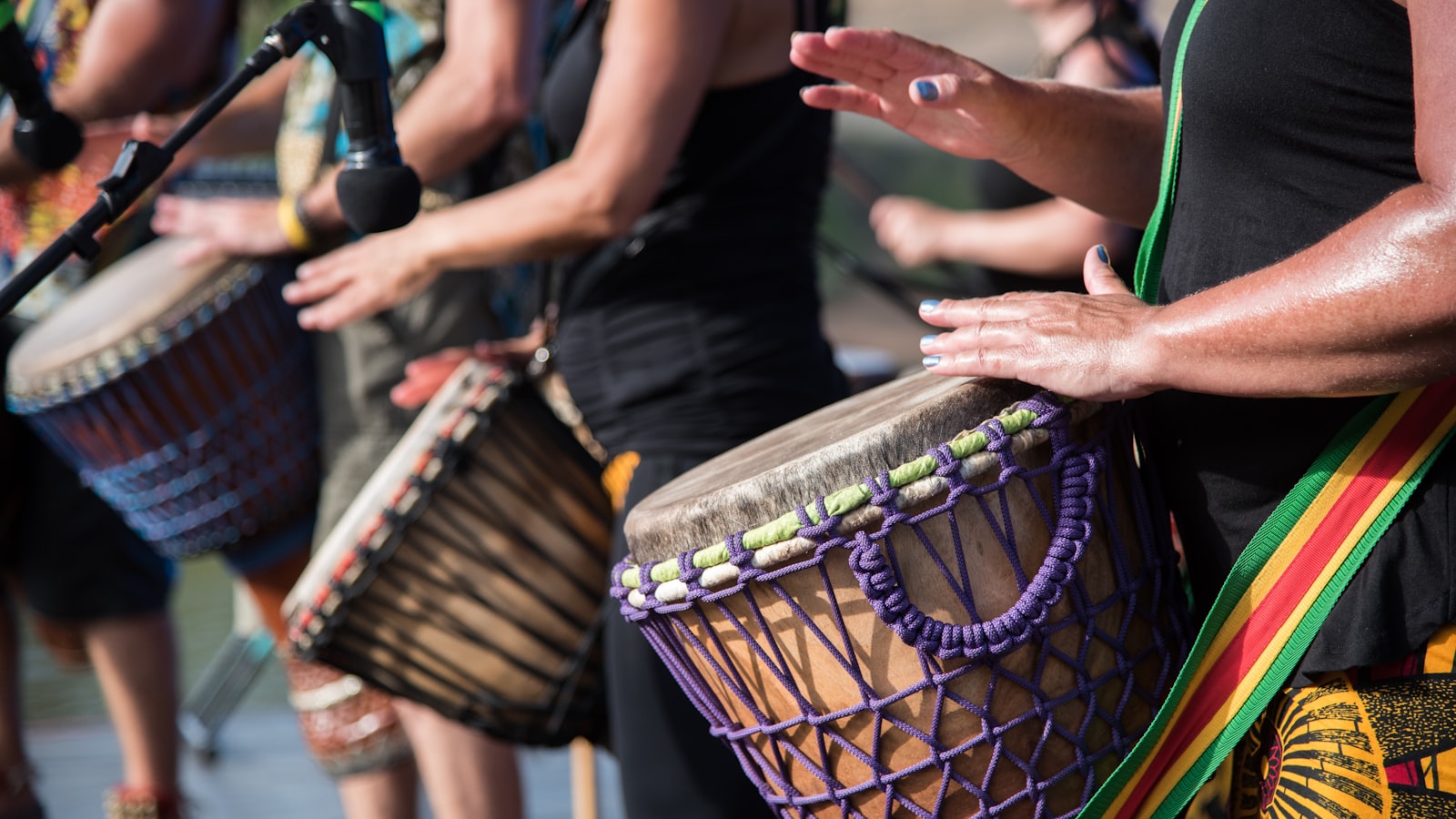
If you find yourself wandering the brick-lined streets of downtown Asheville on a Friday night, you won’t need a map to find the city’s heartbeat. You only need to follow the sound. The low thrum of the dununs and the sharp, celebratory crack of the djembe echo off the surrounding buildings, drawing locals and travelers alike to a small, amphitheater-style plaza known as Pritchard Park.
The Asheville evening drum circle is more than just a musical performance; it is a living, breathing tradition that has defined the spirit of Western North Carolina for decades. Whether you are a seasoned percussionist or a curious observer, understanding the rhythm of this gathering is key to enjoying the experience.
The History of the Pritchard Park Gathering
What started in the mid-1990s as a small group of friends meeting to share rhythms has evolved into a world-renowned cultural phenomenon. The circle began organically, rooted in the bohemian spirit that Asheville is famous for. Over the years, it has survived urban redevelopment and noise ordinance debates, always emerging stronger because of the community’s dedication to keeping the beat alive.
Unlike many organized events, the Asheville drum circle is self-governing. There is no central stage and no paid performers. It is a true grassroots assembly where the hierarchy is determined only by the rhythm itself. From April through October, as long as the weather permits, the park transforms into a sanctuary of sound from roughly 6:00 PM until the streetlights take full effect.
The Instruments of the Circle
While you will see a diverse array of percussion instruments, the core of the Asheville sound is rooted in West African and Afro-Cuban traditions.
- Djembe: The most common drum seen in the park. Its goblet shape allows for deep bass notes and high-pitched slaps that cut through the air.
- Dunun (Doundoun): These large, cylindrical drums are played with sticks and provide the foundational heartbeat or 'melody' of the rhythm.
- Congas and Bongos: Bringing a Latin flair to the mountain air, these drums add complex textures to the collective sound.
- Frame Drums and Doumbeks: Often found on the periphery, these instruments offer subtle, intricate patterns.
- Shakers and Bells: Essential for keeping the tempo, cowbells and shekeres are often played by those standing just outside the main drumming ring.
What to Expect: The Atmosphere
The energy of an Asheville evening drum circle is infectious. As the sun begins to dip behind the Blue Ridge Mountains, the park fills with a diverse crowd. You’ll see families with young children dancing in the center, hula-hoopers spinning LED rings, and elders who have been attending since the circle's inception.
There is a palpable sense of freedom here. It is one of the few places where the barriers between performer and audience completely dissolve. If you have a drum, you are a performer; if you have feet, you are a dancer. The air often smells of mountain rain and local street food, creating a sensory experience that stays with you long after the final beat.
Drum Circle Etiquette for Newcomers
To keep the rhythm flowing smoothly, there are a few unwritten rules that regulars appreciate. If you are planning to join in, keep these tips in mind:
- Listen Before You Play: When you first arrive, take a few minutes to find the 'pulse.' Don't try to lead the rhythm immediately; instead, find a way to support what is already happening.
- Respect the Center: The middle of the circle is generally reserved for dancers. If you are drumming, stay on the stone tiers or the outer edge.
- Ask Before Borrowing: Asheville drummers are generally very friendly, but their instruments are often expensive and sentimental. Always ask before tapping on someone else's drum.
- Volume Control: If there are fifty drums playing, you don't need to play at maximum volume. Focus on the 'pocket' of the groove rather than being the loudest voice in the park.
- Support Local: Many of the regulars are drum teachers or makers. If you enjoy someone's playing, don't be afraid to strike up a conversation during a break.
Why It Matters to the Asheville Community
In an era of digital disconnection, the Asheville evening drum circle serves as a vital social glue. It brings together people from all walks of life—social-economic status, age, and background disappear when the rhythm takes over. It is a form of collective therapy and a celebration of public space.
For many, the circle is a weekly ritual of release. The physical act of drumming has been shown to reduce stress and boost the immune system, making this gathering a cornerstone of local health and wellness within the city. It’s not just about music; it’s about the resonance of a community that refuses to stop dancing.
Planning Your Visit
If you are traveling to Asheville specifically for the drum circle, here are some logistical tips:
- Timing: Arrive by 5:30 PM if you want to snag a seat on the stone walls. The peak energy usually hits around 7:30 PM.
- Parking: Downtown parking can be tricky. Use the Wall Street Garage or the Rankin Avenue Garage for easy walking access to Pritchard Park.
- Weather: The circle is a fair-weather event. If there is a heavy mountain downpour, the drummers will likely pack up to protect their goat-skin drum heads.
- Beyond the Park: If the Friday night energy inspires you to go deeper, check out local drum schools in the area that offer workshops on traditional West African rhythms.
Finding More Rhythm in the Mountains
While Pritchard Park is the most famous location, the rhythm culture in Western North Carolina extends far beyond downtown. From private drumming retreats in the surrounding forests to smaller community jams in West Asheville and Black Mountain, there is always a beat to follow.
The Asheville evening drum circle is a testament to the power of rhythm to build community. It is a raw, unpolished, and beautiful expression of human connection. Whether you bring a professional djembe or just a pair of clapping hands, you are part of the song.
Find a drum circle near you and start your own rhythmic journey today.
Frequently asked
- What time does the Asheville drum circle start?
- The Asheville evening drum circle at Pritchard Park typically begins around 6:00 PM every Friday night from April through October. The energy usually peaks between 7:00 PM and 8:00 PM, concluding as it gets dark or around 9:00 PM.
- Is the Pritchard Park drum circle family-friendly?
- Yes, the gathering is very family-friendly and attracts people of all ages. Children often dance in the center of the circle, and it is a common spot for locals to bring their families for an evening of free outdoor entertainment.
- Do I need to bring my own drum to participate?
- While many participants bring their own djembes, congas, or shakers, you do not need an instrument to participate. Many people join in by dancing, clapping, or simply enjoying the music from the stone tiers of the park.
- Does the drum circle happen if it rains?
- Because most drums use natural animal skin heads that can be damaged by moisture, the drum circle is usually canceled or cut short during rain. If the weather is uncertain, the drummers may wait under nearby awnings for the clouds to clear.
Find a drum circle near you
Browse hundreds of circles, teachers and rhythm community gatherings.
Explore drum circles