
Asheville Open Drum Circle Guide: Join the Rhythm at Pritchard Park
Experience the heartbeat of the Blue Ridge Mountains with our complete guide to the legendary Asheville open drum circle at Pritchard Park.
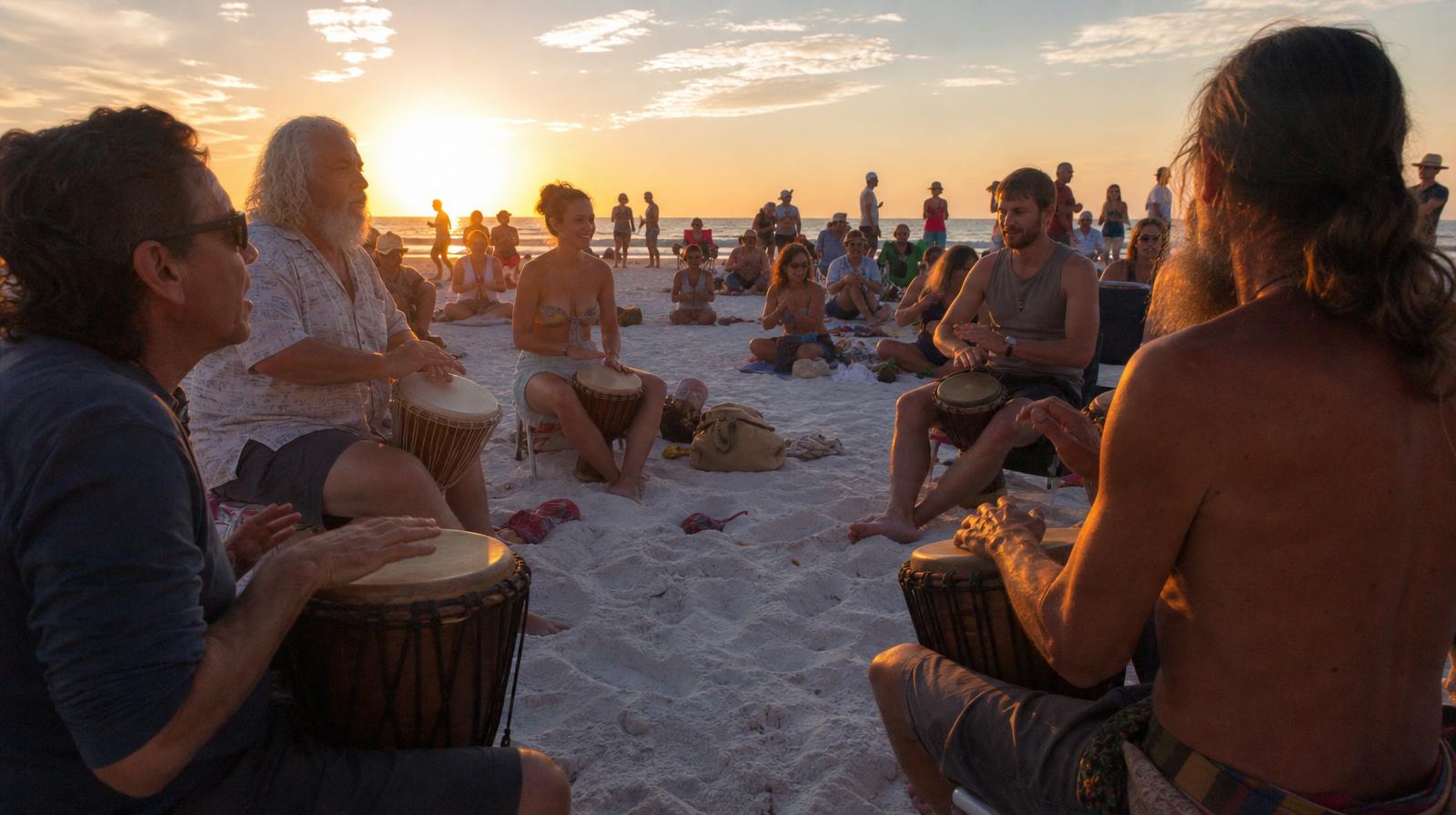
If you find yourself in the heart of downtown Asheville, North Carolina, on a Friday evening between April and October, you won’t need a map to find the city's pulse. You only need to follow your ears. The thunderous, rhythmic roar of the Asheville open drum circle at Pritchard Park has become a legendary staple of Appalachian culture, drawing hundreds of locals and tourists alike into a swirling vortex of sound, dance, and community spirit.
This isn't just a performance; it is a living, breathing entity. Whether you are a master of the djembe or someone who has never touched a drum head in your life, the Asheville scene offers a unique opportunity to connect through the universal language of rhythm.
The History of the Pritchard Park Drum Circle
What started decades ago as a small gathering of local percussionists has evolved into one of the most famous public drum circles in the United States. Located at the triangular intersection of Patton Avenue and College Street, Pritchard Park serves as the perfect natural amphitheater.
Originally, the circle was a grassroots effort by local musicians to reclaim public space for art. Over the years, the City of Asheville and the local community have embraced it, recognizing the drum circle as a vital part of the city’s "Keep Asheville Weird" identity. Today, it stands as a symbol of inclusivity, where people from all walks of life—hippies, business professionals, families, and travelers—converge to share a beat.
What to Expect at an Asheville Open Drum Circle
The atmosphere is electric. As the sun begins to dip behind the Blue Ridge Mountains, the first few beats of a djembe or a deep, resonant dunun begin to echo off the surrounding brick buildings. Within thirty minutes, the park is packed.
- The Inner Circle: This is where the experienced drummers usually sit. You’ll see a wide array of instruments, from traditional African djembes and ashikos to Middle Eastern doumbeks and even repurposed plastic buckets.
- The Dancers: In the space between the drummers and the spectators, dancers move freely. It is a space for hoopers, fire spinners (when permitted), and children to express the music physically.
- The Spectators: The stone tiers of the park provide seating for those who just want to soak in the vibrations. It is common to see families having picnics or travelers capturing the moment on film.
Essential Etiquette for Newcomers
While the Asheville open drum circle is welcoming, following basic drum circle etiquette ensures that the rhythm stays cohesive and enjoyable for everyone.
- Listen First: Before you start banging away, spend a few minutes listening to the established groove. Try to find the "heartbeat" of the rhythm.
- Support the Pulse: If you are a beginner, stick to a simple, steady beat. The most common mistake is playing too fast or too loud, which can derail the collective flow.
- Ask Before Borrowing: Many drummers bring expensive, hand-carved instruments. Never pick up someone’s drum without asking permission first.
- Share the Space: If you’ve been drumming in the inner circle for an hour, consider stepping back to let someone else have a seat.
Common Instruments You’ll See
The diversity of sound in Asheville is largely due to the variety of instruments present. If you are looking to purchase your first drum, you might consider checking out local drum schools or shops that specialize in hand percussion.
- Djembe: The most popular choice, known for its deep bass and sharp slaps.
- Congas: Often providing a melodic, mid-range texture to the circle.
- Frame Drums: Used for lighter, more intricate rhythms.
- Shakers and Bells: Crucial for maintaining the tempo. If you don't own a drum, a simple maraca or cowbell is a great way to participate.
- Dunun: The large, cylindrical bass drums that provide the "foundation" for West African rhythms.
Beyond Pritchard Park: Drumming in Western NC
While the Friday night circle is the most famous, Asheville’s rhythmic culture extends far beyond the park. Many participants also attend drumming retreats in the nearby mountains to deepen their practice in a more meditative setting.
For those who want to move beyond the "jam" style of playing and learn specific traditional rhythms (like Kuku or Moribayassa), there are several world-class drum teachers in the Asheville area offering private lessons and group workshops. These classes are excellent for building the technique needed to lead a section of the circle effectively.
Planning Your Visit
If you are traveling to Asheville specifically for the drum circle, here are a few logistical tips:
- Timing: The circle typically starts around 6:00 PM and runs until 10:00 PM every Friday night, weather permitting, from April through October.
- Parking: Downtown parking can be tricky. Use the nearby Wall Street Garage or the Aloft Hotel parking deck for easy access to the park.
- Cost: The event is entirely free, though you will often see local performers or community organizers accepting donations to keep the park clean and vibrant.
- Family Friendly: The early hours (6:00 PM - 8:00 PM) are very kid-friendly, while the later hours tend to get louder and more crowded.
The Healing Power of the Beat
Many regulars at the Asheville open drum circle describe the experience as a form of "rhythm therapy." The collective vibration of dozens of drums creates a physical sensation that can reduce stress and foster a sense of belonging. In a world that is increasingly digital and isolated, the raw, acoustic energy of the circle reminds us of our primal need for connection.
Whether you come to play, dance, or simply observe, the Asheville drum circle is a testament to the power of community. It is a place where the ego is set aside in favor of the groove, and where every beat contributes to a larger, beautiful whole.
Find a drum circle near you at /drum-circles.
Frequently asked
- What time does the Asheville drum circle start?
- The Asheville open drum circle at Pritchard Park typically begins around 6:00 PM every Friday evening. The energy usually peaks between 7:30 PM and 9:00 PM, concluding around 10:00 PM.
- Can anyone join the drum circle in Asheville?
- Yes, the circle is completely open to the public. People of all ages and skill levels are encouraged to participate, whether by drumming, dancing, or simply watching from the stone steps.
- Do I need to bring my own drum to Pritchard Park?
- While most participants bring their own instruments, it is common for friendly locals to share shakers or small percussion items. If you plan on drumming all night, it is best to bring your own djembe, conga, or frame drum.
- Is the Asheville drum circle held year-round?
- The outdoor circle at Pritchard Park generally runs from the first Friday in April through the end of October. During the winter months, some community members host smaller indoor jams at various local venues.
Find a drum circle near you
Browse hundreds of circles, teachers and rhythm community gatherings.
Explore drum circles