
Asheville Outdoor Drum Circle: A Guide to Pritchard Park Rhythms
Experience the heartbeat of the Blue Ridge Mountains at the iconic Asheville outdoor drum circle, a legendary weekly gathering of rhythm and community.
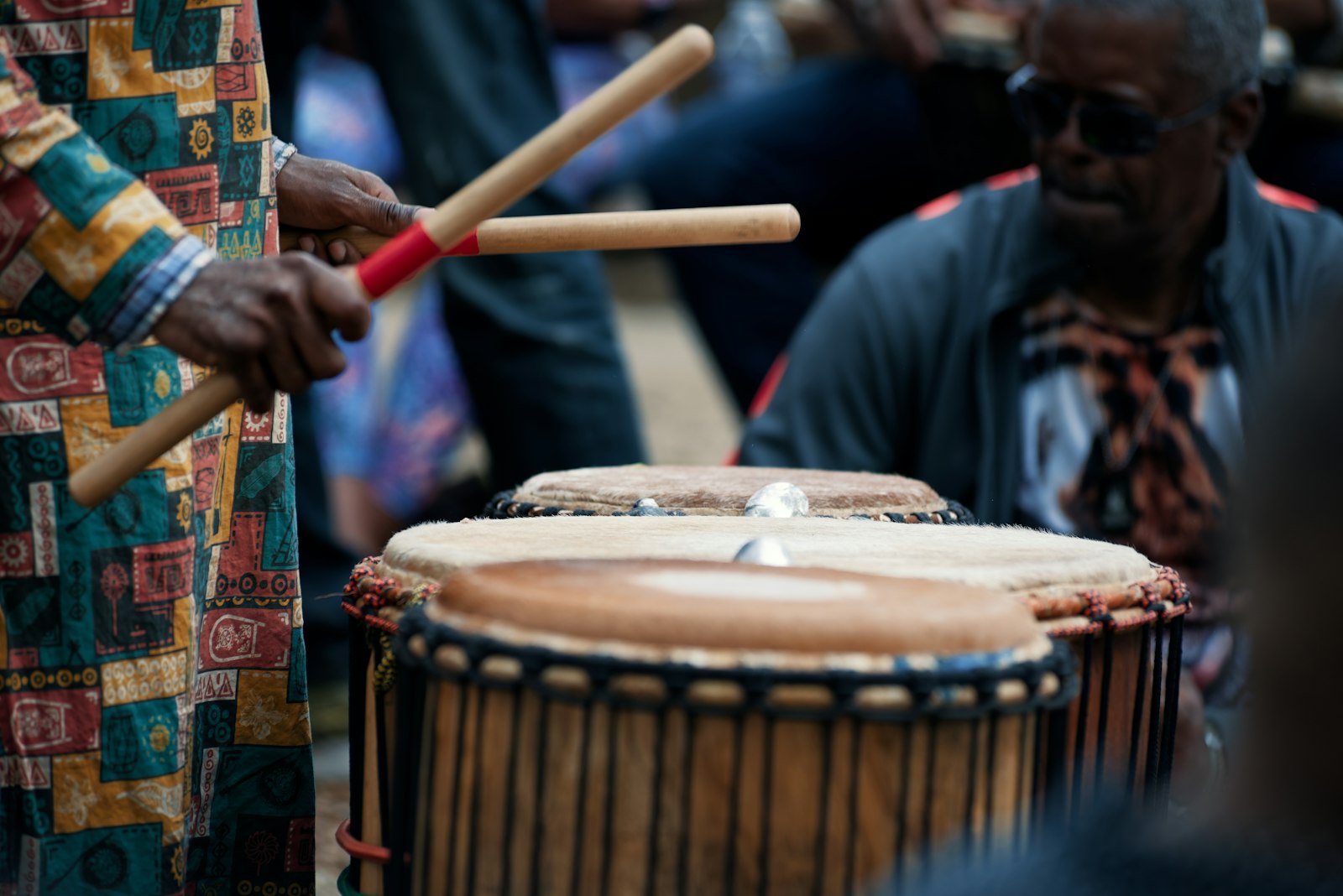
If you find yourself in downtown Asheville on a Friday evening between April and October, you don't need a map to find the city's heartbeat. You only need to follow your ears. The thunderous, rhythmic pulse of the Asheville outdoor drum circle echoes through the brick-lined streets, drawing hundreds of locals and travelers alike to a small, amphitheater-style plaza known as Pritchard Park.
For over two decades, this gathering has served as the unofficial kickoff to the weekend in Western North Carolina. It is more than just a musical performance; it is a living, breathing example of how rhythm can bridge social divides, celebrate diversity, and create a shared sense of belonging. Whether you are a seasoned percussionist with a custom-carved djembe or a curious visitor who has never touched a drum, the Asheville circle welcomes you.
The History and Spirit of Pritchard Park
What started as a small gathering of friends in the mid-1990s has evolved into one of the most famous public drum circles in the United States. The Asheville outdoor drum circle isn't organized by the city or a formal non-profit; it is a grassroots phenomenon. It grew organically, fueled by the city's bohemian spirit and the deep-rooted musical heritage of the Appalachian Mountains.
The location, Pritchard Park, is a triangular urban oasis at the intersection of Patton Avenue and College Street. Its tiered stone seating creates a natural bowl, perfect for acoustics and for spectators to watch the dancers in the center. The spirit here is one of radical inclusion. On any given Friday, you will see professional musicians playing alongside street performers, families with toddlers, and retirees, all moving to the same collective beat.
What to Expect: The Sights and Sounds
The volume is the first thing you notice. The sound of dozens of drums—ranging from deep, earth-shaking dununs to crisp, high-pitched doumbeks—creates a wall of sound that you can feel in your chest. The rhythm is rarely a single, static beat; it shifts and flows, moving from West African polyrhythms to steady rock pulses and back again.
In the center of the circle, the "dance floor" is usually packed. You’ll see flow artists with hula hoops, belly dancers, and children spinning in circles. The energy is infectious. While there is no formal leader, experienced facilitators often help guide the tempo, ensuring the rhythm doesn't collapse into chaos. This is a prime example of a community drum circle where the collective intelligence of the group dictates the music.
Instruments You’ll See and Hear
While the Asheville outdoor drum circle is open to any acoustic instrument, certain drums dominate the landscape due to their projection and versatility:
- Djembe: The most common drum in the circle. These goblet-shaped West African drums provide the "slap" and "bass" that define the circle's melody.
- Congas and Bongos: Adding a Latin flair, these drums provide steady mid-range tones that keep the groove grounded.
- Dununs (Dunduns): These large, cylindrical bass drums are played with sticks and provide the foundational heartbeat of the rhythm.
- Frame Drums and Tambourines: Often played by those moving around the circle, these instruments add texture and high-end shimmer.
- Steel Tongues and Handpans: Though quieter, you may find these melodic percussion instruments on the outer edges of the park where the volume is slightly lower.
If you are new to these instruments and want to develop your technique before joining the fray, consider connecting with local drum teachers who can show you the proper hand positions to avoid fatigue and injury.
Etiquette for Participants and Observers
To keep the Asheville outdoor drum circle a positive experience for everyone, there are a few unwritten rules of etiquette to follow:
- Listen First: Before you start playing, stand on the edge and listen to the current groove. Try to find a pocket where your sound complements the group rather than fighting against it.
- Respect the Instruments: Never pick up or play someone else's drum without asking. Many of these instruments are expensive, handcrafted tools or sentimental heirlooms.
- Share the Space: If the circle is crowded, take turns. Give others a chance to step into the inner ring to play or dance.
- Support the Vibe: This is a family-friendly event. While Asheville has a relaxed culture, maintaining a respectful and inclusive attitude ensures the event continues to receive city permits year after year.
- Watch the Volume: If you have a very loud drum, be mindful of those standing directly in front of you. Constant "soloing" at top volume can drown out the collective rhythm.
Beyond the Friday Night Circle
Asheville’s rhythm scene doesn't end at Pritchard Park. The city is a hub for percussion education and world music. Many participants in the outdoor circle also attend regional drumming retreats held in the nearby Blue Ridge Mountains, where they can dive deeper into the spiritual and technical aspects of the craft.
For those looking for a more structured environment, local drum schools offer classes in traditional Mandingue drumming, Afro-Cuban rhythms, and even therapeutic drumming. These sessions are excellent for those who find the chaotic energy of a large public circle a bit overwhelming and prefer a guided learning experience.
Why You Should Visit
The Asheville outdoor drum circle is a sensory experience that defines the "Keep Asheville Weird" mantra. It is a place where the barriers of age, race, and socioeconomic status vanish, replaced by a singular, unifying pulse. It’s a reminder that music is a universal language, and that sometimes, the best way to find your community is to simply beat a drum under the open sky.
Whether you are visiting for the weekend or are a long-time resident, Friday night at Pritchard Park is a rite of passage. Bring a chair, bring a drum, or just bring your dancing shoes. The rhythm will take care of the rest.
Find a drum circle near you.
Frequently asked
- When does the Asheville drum circle take place?
- The circle typically happens every Friday night from approximately 6:00 PM to 10:00 PM. The season usually runs from early April through late October, depending on the weather.
- Is the Asheville outdoor drum circle free to attend?
- Yes, the event is completely free for both participants and spectators. It is a public community gathering held in a city park, though many people choose to support local businesses in the surrounding downtown area while they are there.
- Can beginners join the drumming at Pritchard Park?
- Absolutely! Beginners are welcome to join in. The best approach is to start with a simple, steady beat that matches the bass drums, or to play a smaller percussion instrument like a shaker until you feel comfortable with the rhythm.
- What should I bring to the Asheville drum circle?
- If you plan to play, bring your own drum and a small folding stool or chair, as seating fills up fast. If you are just watching, bring comfortable shoes for dancing and plenty of water to stay hydrated in the humid North Carolina summers.
Find a drum circle near you
Browse hundreds of circles, teachers and rhythm community gatherings.
Explore drum circles