
Experience the Asheville Public Drum Circle: A Complete Guide
Discover the magic of the Asheville Public Drum Circle at Pritchard Park. Learn about the history, etiquette, and how to join this iconic rhythmic gathering.
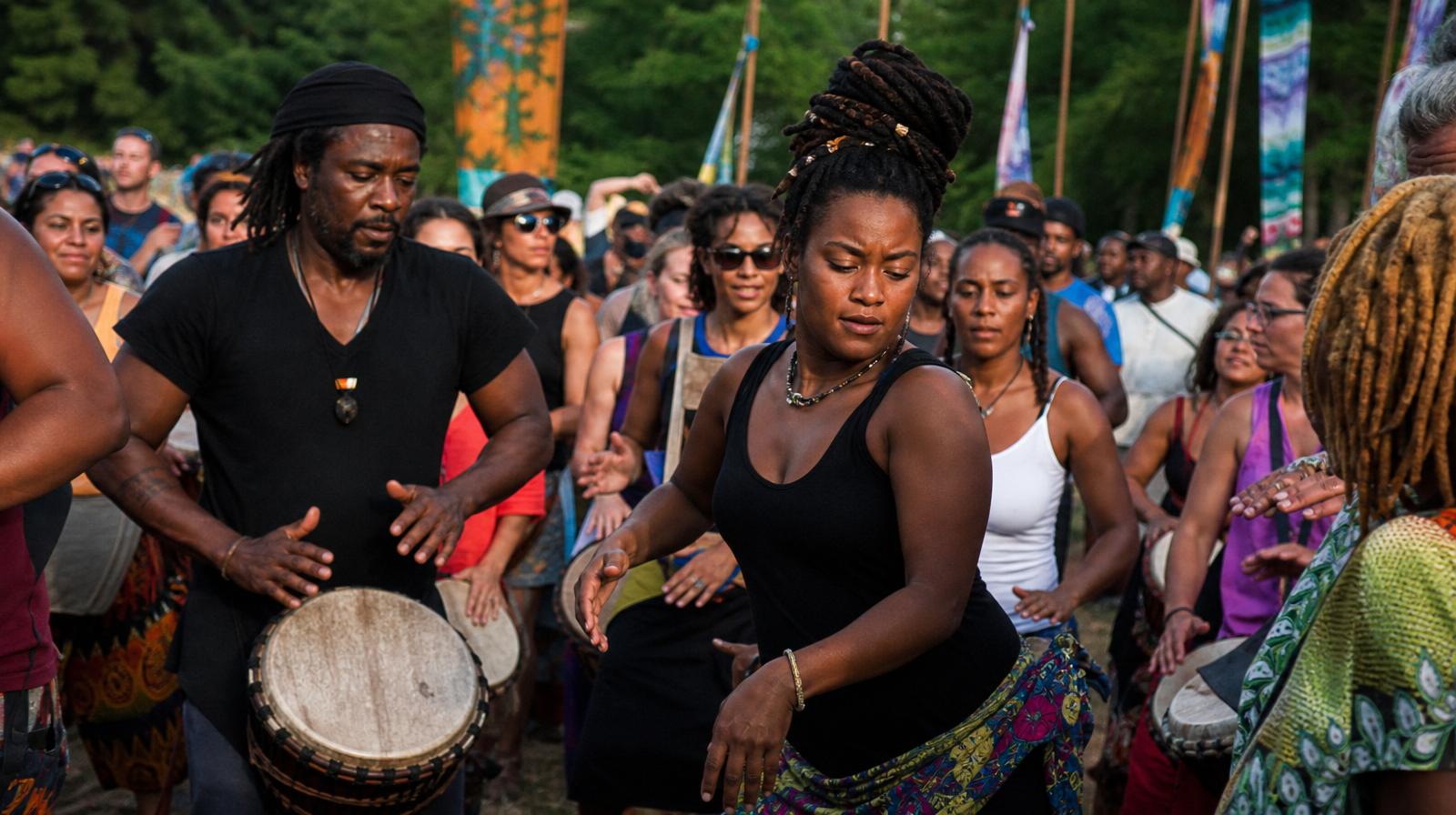
If you find yourself in downtown Asheville, North Carolina, on a Friday evening between April and October, you won’t need a map to find the heart of the city. You only need to follow your ears. The thunderous, rhythmic pulse of the Asheville Public Drum Circle has become a cornerstone of Western North Carolina culture, drawing hundreds of locals and tourists alike to Pritchard Park.
This isn't just a musical performance; it is a living, breathing community ritual. From the deep resonance of the djembe to the sharp cracks of the doumbek, the circle represents the diverse spirit of the Blue Ridge Mountains. Whether you are a seasoned percussionist or a curious traveler, understanding the flow of this event will help you dive deep into the rhythm.
The History of Pritchard Park’s Rhythm
The Asheville Public Drum Circle began modestly in the early 2000s. What started as a small group of friends gathering to share beats has evolved into a massive weekly event that defines the city’s "Keep Asheville Weird" mantra. The circle is entirely organic—there is no formal conductor and no set list of songs.
Located at the intersection of Patton Avenue and College Street, Pritchard Park serves as a natural amphitheater. The stone tiers provide seating for spectators, while the center floor becomes a swirling vortex of drummers, dancers, and hoopers. It is a space where social barriers dissolve, replaced by the universal language of the beat.
What to Expect: The Atmosphere
As the sun begins to set, the energy in the park shifts. You’ll see people arriving with padded bags containing their prized instruments—everything from professional-grade congas to homemade shakers.
- The Sound: It is loud, vibrant, and hypnotic. The polyrhythms often lean toward African and Afro-Cuban influences, but you’ll hear contemporary rock beats and experimental grooves mixed in.
- The Crowd: Expect a mix of families with young children, street performers, retirees, and college students.
- The Dance: The inner ring of the circle is often occupied by dancers. Fire spinning is generally not permitted due to safety codes, but hula hooping and expressive movement are staples of the evening.
Choosing Your Instrument
You don’t need an expensive drum to participate, but having the right gear can enhance your experience. If you are looking to upgrade your kit before the next gathering, you might check out local drum schools for recommendations on quality percussion.
- Djembe: The most popular choice. Its ability to produce deep bass notes and sharp slaps makes it perfect for the outdoor setting.
- Dunun (Dundun): These large, cylindrical drums provide the heartbeat of the circle. They are usually played with sticks.
- Frame Drums: Great for those who want a lighter, more portable option that still carries a beautiful, ancient tone.
- Auxiliary Percussion: If you aren't ready to lead a rhythm, bring a cowbell, shekere, or a simple pair of maracas. These instruments add the "salt and pepper" to the sonic stew.
Etiquette for the Asheville Circle
While the event is free and open to the public, there are unwritten rules that keep the harmony alive. Respecting the space ensures that the tradition continues for years to come.
- Listen First: Before you start playing, take a minute to listen to the established groove. Try to find a pocket where your sound complements the group rather than drowning others out.
- Support the Pulse: The bass drummers are the foundation. Avoid playing "over" them; instead, play "with" them.
- Ask Before Playing Someone Else’s Drum: Drummers are often very protective of their skins and shells. Always ask for permission before touching an instrument that isn't yours.
- Share the Space: If you’ve been in the center of the circle for a long time, consider stepping back to let a newcomer experience the energy.
Planning Your Visit
If you are traveling from out of town to experience the Asheville scene, it helps to plan ahead. The circle typically runs from around 6:00 PM until 10:00 PM, weather permitting.
- Parking: Downtown Asheville can be busy on Friday nights. The Wall Street Garage and the Rankin Avenue Garage are the closest options to Pritchard Park.
- Hydration: Drumming for hours is a workout. Bring plenty of water, though there are many local cafes nearby if you need a break.
- Beyond the Circle: If the Friday night energy inspires you to take your playing to the next level, you can find many drum teachers in the Asheville area who specialize in West African or hand-drumming techniques.
The Health and Wellness Benefits of Group Drumming
Beyond the fun, there is a scientific reason why people feel so good after leaving the Asheville Public Drum Circle. Group drumming has been shown to reduce cortisol levels, boost the immune system, and create a sense of social belonging. In a world that is increasingly digital, the tactile, physical act of hitting a drum skin in unison with a hundred other people is a powerful form of therapy.
Many participants describe a "flow state" that occurs about an hour into the session. This is where the ego drops away, and the individual becomes part of a larger, rhythmic organism. It is this feeling of connection that keeps people coming back week after week, year after year.
For those looking for a more structured or meditative experience, exploring drumming retreats can be a great way to deepen your practice outside of the high-energy park environment.
Joining the Global Rhythm Community
The Asheville Public Drum Circle is a shining example of how rhythm can build community. It serves as a gateway for many people to discover the wider world of percussion. Once you’ve caught the "drumming bug" in Pritchard Park, you may find yourself looking for other events or gatherings across the country.
Whether you are a local or just passing through, the beat is waiting for you. Grab your drum, find your spot on the stone steps, and become part of the Asheville legacy.
Find a drum circle near you at /drum-circles.
Frequently asked
- When does the Asheville drum circle take place?
- The circle happens every Friday night, typically from April through October. The music usually starts around 6:00 PM and concludes by 10:00 PM, depending on the weather and park regulations.
- Do I need to bring my own drum to participate?
- While many participants bring their own djembes or congas, it is not strictly required to enjoy the event. You are welcome to dance, clap, or simply watch, and occasionally friendly locals may have an extra shaker or instrument to share.
- Is the Asheville Public Drum Circle family-friendly?
- Yes, the event is very family-friendly and draws people of all ages. Children often enjoy dancing in the center or playing small percussion instruments, though parents should be mindful of the loud volume and large crowds.
- Where exactly in Asheville is the drum circle located?
- The gathering takes place at Pritchard Park, a small triangular urban park located at 67 Patton Avenue in the heart of downtown Asheville.
Find a drum circle near you
Browse hundreds of circles, teachers and rhythm community gatherings.
Explore drum circles