
Asheville Sunset Drum Circle: A Guide to Pritchard Park Rhythms
Experience the heartbeat of the Blue Ridge Mountains at the iconic Asheville sunset drum circle in Pritchard Park.
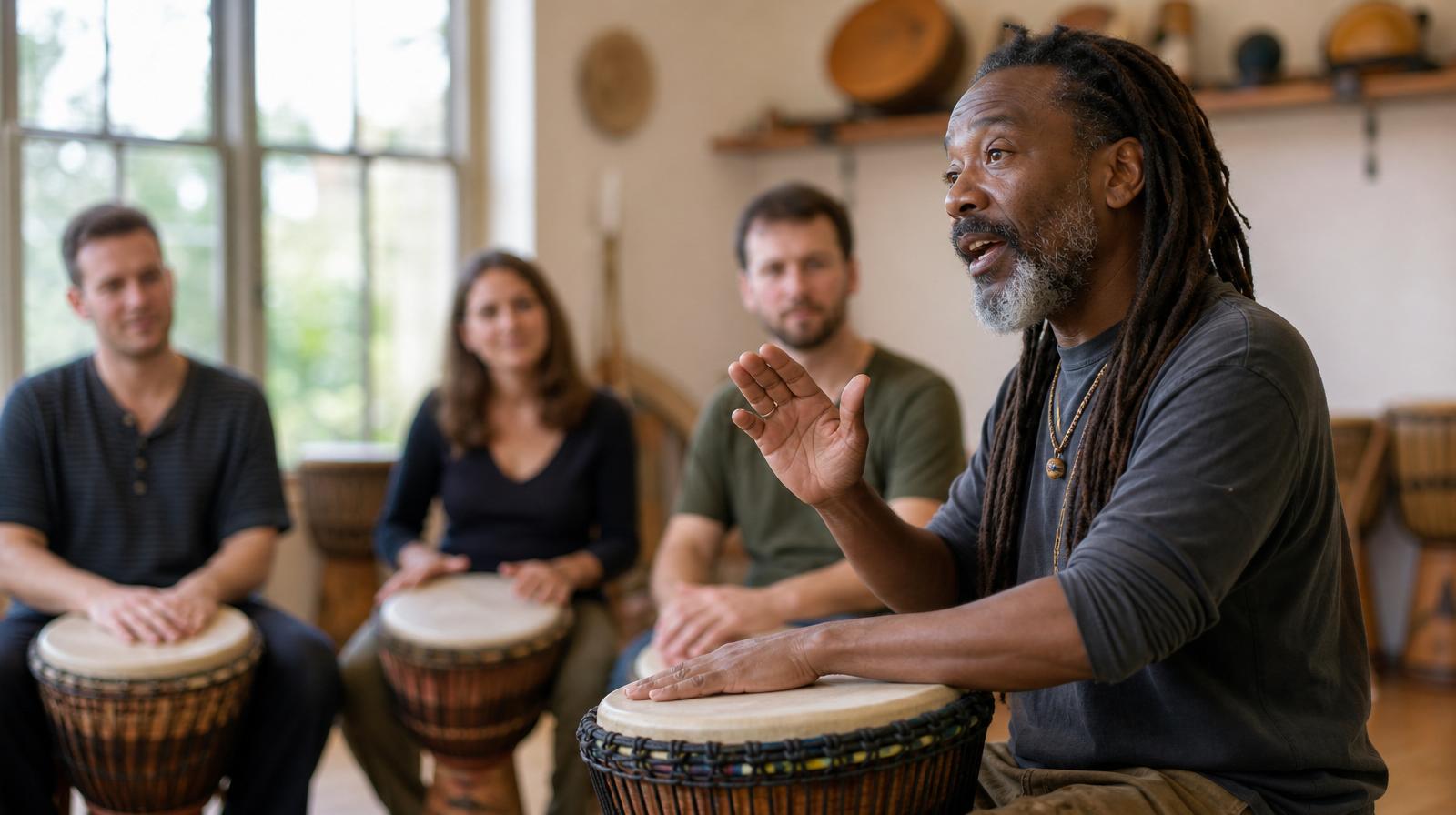
If you find yourself in downtown Asheville, North Carolina on a Friday evening, you don’t need a map to find the city’s heartbeat. You only need to follow your ears. The Asheville sunset drum circle is more than just a musical performance; it is a living, breathing tradition that has defined the culture of this mountain town for decades.
Every Friday night, as the sun dips below the Blue Ridge Mountains, Pritchard Park transforms into a swirling vortex of rhythm, dance, and community. Whether you are a seasoned percussionist carrying a professional djembe or a curious traveler who has never touched a drum, the circle welcomes you.
The History of the Pritchard Park Drum Circle
The Asheville sunset drum circle began organically in the mid-1990s. What started as a small group of friends meeting to share rhythms has grown into a massive weekly event that attracts hundreds of participants and spectators. Located at the triangular intersection of Patton Avenue and College Street, Pritchard Park’s amphitheater-style seating makes it the perfect natural stage for this rhythmic explosion.
Unlike organized concerts, there is no central leader or "stage." The music starts with a single pulse—often a deep, resonant stroke on a large dunun or a low-tuned conga—and builds into a complex tapestry of sound as more players join in. It is a grassroots movement that reflects Asheville’s "Keep It Weird" spirit and commitment to inclusive community spaces.
What to Expect: The Sights and Sounds
When you arrive at the Asheville sunset drum circle, the first thing you’ll notice is the diversity of the crowd. You’ll see tie-dyed locals, families with young children, retirees, and tourists all moving to the same beat.
The Instruments
The sonic landscape is incredibly varied. While the djembe is the most common instrument you’ll see, the circle is home to a wide array of percussion, including:
- Ashiko and Congas: Providing the mid-range punch.
- Doumbeks: Offering sharp, metallic snaps and intricate fingerwork.
- Frame Drums and Tambourines: Adding texture and high-end shimmer.
- Dunun (Doundoun): The heavy bass drums that provide the "heartbeat" of West African-style rhythms.
- Found Objects: It’s not uncommon to see someone rocking out on a plastic five-gallon bucket or a cowbell.
The Dancers
In the center of the concrete amphitheater, the "inner circle" is usually reserved for dancers. From flow arts and hula hooping to interpretive movement and traditional African dance, the energy of the dancers feeds the drummers, creating a feedback loop of pure adrenaline.
Essential Etiquette for Newcomers
While the Asheville sunset drum circle is free and open to the public, there are unwritten rules—often referred to as drum circle etiquette—that help keep the rhythm cohesive and the vibe positive.
- Listen First: Before you start playing, take a moment to find the "one." Listen to the established groove. If you jump in with a completely different tempo, it can throw off the entire group.
- Respect the Space: The inner circle is for dancing and movement. If you are drumming, try to stay on the perimeter or in the tiered seating areas.
- Support the Groove: You don’t have to play a complex solo. Often, the most helpful thing a beginner can do is maintain a steady pulse on a shaker or a low-toned drum.
- Ask Before Borrowing: If you see a drum sitting unattended, don’t assume it’s for public use. Many of these instruments are expensive, handcrafted pieces of art. If you want to learn from a pro, consider looking for local drum teachers who can show you the ropes before you join the big circle.
- Share the Air: If you are a loud soloist, remember to leave "sonic space" for others. A drum circle is a conversation, not a monologue.
The Best Time to Visit
The Asheville sunset drum circle officially takes place every Friday evening from April through October. The music typically starts around 6:00 PM and continues until the park closes at 10:00 PM.
- Early Evening (6:00 PM - 7:30 PM): This is the most family-friendly time. The rhythms are often slower, and there is plenty of room for kids to dance.
- Peak Hours (8:00 PM - 9:30 PM): This is when the energy hits its peak. The park is usually packed, the drumming is at its loudest, and the dancing is most intense.
- Winter Months: During the cold season (November - March), the circle often moves indoors or scales down significantly. If you are visiting in the winter, check our local events listings to see if a smaller community jam is happening nearby.
Why It Matters: The Power of Rhythm
Beyond the entertainment value, the Asheville sunset drum circle serves a vital social function. In an age where people are increasingly disconnected, the circle offers a rare opportunity for "collective effervescence"—a term sociologists use to describe the feeling of harmony when a group of people performs the same action simultaneously.
Participating in a drum circle has been shown to reduce stress, improve immune function, and foster a sense of belonging. For the people of Asheville, the Friday night gathering is a weekly reset—a chance to shake off the work week and reconnect with their neighbors through the universal language of rhythm. If you are looking for a deeper immersion, you might even consider attending one of the many drumming retreats held in the surrounding Blue Ridge Mountains.
Tips for Your First Visit
- Bring a Chair: Seating in Pritchard Park is limited and made of cold stone. A small folding stool or a cushion can make your night much more comfortable.
- Stay Hydrated: Even in the mountains, Asheville summers can be humid. Bring plenty of water.
- Support Local: Pritchard Park is surrounded by incredible local coffee shops and restaurants. Grab a drink or a snack and enjoy the show.
- Bring a Shaker: If you aren't ready to lug a heavy conga downtown, a small egg shaker or a pair of claves is a great way to participate without feeling overwhelmed.
Finding More Rhythms in Western North Carolina
Asheville is a hub for percussion enthusiasts, but it isn't the only place to find a beat. Throughout Western North Carolina, you can find full-moon gatherings, private drum schools, and therapeutic rhythm circles. The Friday night event at Pritchard Park is just the gateway to a much larger rhythmic community.
Whether you are a local or just passing through, the Asheville sunset drum circle is a bucket-list experience. It is a reminder that, despite our differences, we can all find common ground in the pulse of a drum.
Find a drum circle near you and join the rhythm today!
Frequently asked
- What time does the Asheville drum circle start?
- The drum circle in Pritchard Park typically begins around 6:00 PM every Friday evening from April through October. The energy usually peaks between 8:00 PM and 9:30 PM before wrapping up at 10:00 PM when the park closes.
- Is the Asheville sunset drum circle free?
- Yes, the event is completely free to the public. It is a community-led gathering where both locals and tourists are welcome to watch, dance, or join in the drumming at no cost.
- Can beginners join the drum circle?
- Absolutely! The circle is very inclusive of beginners. If you're new, it's recommended to start with a simple shaker or to find a spot on the outer edge where you can follow the main beat established by the more experienced drummers.
- Where exactly is the drum circle located?
- The circle takes place at Pritchard Park, located at 67 Patton Ave, Asheville, NC 28801. It is a small, triangular park in the heart of downtown, easily recognizable by its amphitheater-style stone seating.
- What happens if it rains?
- Since the event is outdoors, heavy rain or lightning will usually cancel the circle. However, if there is only a light drizzle, some dedicated drummers may still gather under the trees or nearby awnings, though the crowd will be much smaller.
Find a drum circle near you
Browse hundreds of circles, teachers and rhythm community gatherings.
Explore drum circles