
Austin Drum Circle Guide: Finding Your Rhythm in the Live
Discover the heartbeat of Texas through the vibrant Austin drum circle scene, from Barton Springs gatherings to community rhythm events.
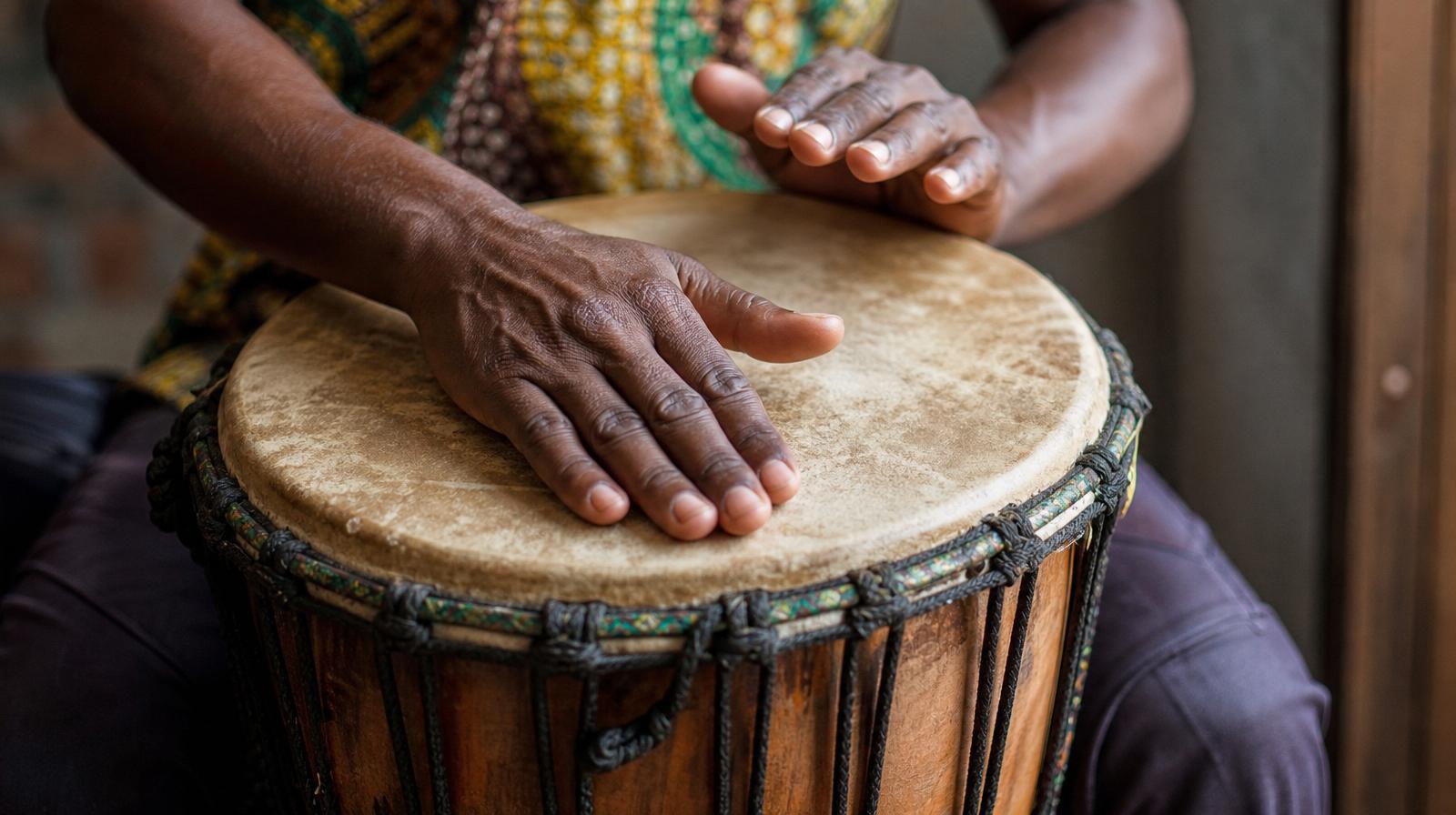
Austin, Texas, isn't just known for its blues, rock, and country roots. Beneath the neon lights of Sixth Street lies a deep, percussive heartbeat that has pulsed through the city for decades. The Austin drum circle scene is a testament to the city’s "Keep Austin Weird" spirit—a inclusive, high-energy community where the djembe, the doumbek, and the conga come together to create spontaneous symphonies.
Whether you are a seasoned percussionist or someone who has never touched a drum head, the rhythm community here offers a space for everyone. In this guide, we’ll explore the best spots to play, what to bring, and how to immerse yourself in the local Austin groove.
The Iconic Barton Springs Drum Circle
If there is a ground zero for rhythm in Central Texas, it is the legendary gathering at Barton Springs. Located within Zilker Park, this informal assembly has been a staple of Austin culture for years. Typically gathering on Sunday afternoons and evenings, the energy here is unmatched.
As the sun begins to set, the sound of wood-and-skin percussion carries across the water. You’ll find a diverse mix of instruments:
- Djembes: The most common lead instrument, providing sharp slaps and deep bass.
- Dununs: These large cylindrical drums provide the melodic foundation.
- Ashikos: Tapered drums that add a unique, punchy tone to the mix.
- Handpans: Often found on the periphery, adding a cosmic, ethereal layer to the heavy beats.
The Barton Springs circle is known for its "free-form" nature. There is rarely a formal facilitator; instead, the rhythm evolves organically through listening and communal response.
Community Events and Facilitated Circles
While the park gatherings are spontaneous, Austin also hosts structured events led by professional facilitators. These are excellent for beginners who might feel intimidated by the raw energy of a large public jam. Facilitated circles often focus on "Rhythm Church" or wellness-based drumming, moving away from performance and toward connection.
Many of these events take place at local community centers, yoga studios, and holistic spaces. You can find specific dates for these gatherings by checking out local events listings. These sessions often incorporate "call-and-response" techniques, helping newcomers find their footing without the pressure of keeping a complex tempo.
Essential Gear: What to Bring to an Austin Jam
Austin’s climate is a major factor for any outdoor drummer. The Texas heat can be brutal on both the player and the instrument. If you’re heading to a circle, consider these essentials:
- Your Instrument: While many circles are generous with sharing, bringing your own drum ensures you have a seat at the table. If you don't own one yet, local drum schools often have recommendations for starter instruments.
- Protection for Your Drum: Natural skin heads (like goat or cowhide) are sensitive to humidity. Use a padded bag and avoid leaving your drum in a hot car.
- Hydration: Always bring more water than you think you need, especially for summer sessions at Zilker Park.
- Ear Protection: In a tight circle of twenty djembes, the decibel levels can rise quickly. High-fidelity earplugs are a smart investment for long-term hearing health.
Drumming Etiquette for Newcomers
Joining an Austin drum circle is easy, but following a few unwritten rules ensures the experience is positive for everyone. The "Live Music Capital" prides itself on talent, but the drum circle is about community, not showing off.
- Listen First: Before you strike your drum, listen to the established rhythm for at least a minute. Find the "heartbeat" (the bass note) before adding your own flair.
- Respect the Space: If a circle is already tight, ask before squeezing in.
- Don't Overplay: It’s tempting to play as fast as possible, but the best drummers know when to leave space. Silence is a part of music.
- Ask Before Playing Someone Else's Drum: This is a golden rule. Many hand drums are handmade works of art and are very personal to their owners.
If you want to sharpen your skills before joining a public jam, consider reaching out to local drum teachers who specialize in West African or Afro-Cuban rhythms.
Beyond the Park: Retreats and Workshops
For those who want to go deeper than a weekly park jam, the Austin area serves as a hub for intensive learning. Central Texas is home to several drumming retreats throughout the year. These retreats often feature master drummers from Guinea, Mali, or Senegal, offering a chance to learn the traditional rhythms that form the basis of modern circle playing.
These workshops cover everything from the history of the djembe to the intricate polyrhythms of the dununba. It’s a way to transition from a "hobbyist" to a "student of the drum," honoring the cultures that birthed these instruments.
Why Drumming Matters in Austin
In a fast-growing city like Austin, the drum circle serves as a vital social glue. It transcends political, social, and economic barriers. When you are in the circle, you aren't a tech worker or a student; you are a rhythmic contributor. The health benefits are also well-documented, from reducing stress hormones to increasing white blood cell counts through the power of group resonance.
If you’re looking to find your tribe, the Austin drum circle scene is waiting for you. The community is warm, the rhythms are hot, and there is always room for one more beat.
Find a drum circle near you and start your rhythmic journey today.
Frequently asked
- Where is the main Austin drum circle located?
- The most famous gathering takes place at Barton Springs in Zilker Park, usually on Sunday afternoons. However, there are many other facilitated circles held at community centers and private studios throughout the city.
- Do I need to be a professional drummer to join?
- Not at all. Austin drum circles are famously inclusive. While there are many skilled percussionists, beginners are always welcome as long as they respect the flow of the rhythm and the etiquette of the group.
- What kind of drum should I bring to an Austin circle?
- The djembe is the most popular choice due to its versatility, but you will also see congas, bongos, frame drums, and even tambourines or shakers. Anything that creates a percussive sound is generally welcome.
- Are Austin drum circles family-friendly?
- Yes, most public circles in parks like Zilker are very family-friendly. It is a great way for children to experience live music and rhythm in a natural, low-pressure environment.
Find a drum circle near you
Browse hundreds of circles, teachers and rhythm community gatherings.
Explore drum circles