
Beach Dancing at Siesta Key Drum Circle: A Visitor's Guide
Experience the rhythmic heartbeat of Florida's Gulf Coast with our ultimate guide to the legendary Siesta Key drum circle and beach dancing scene.
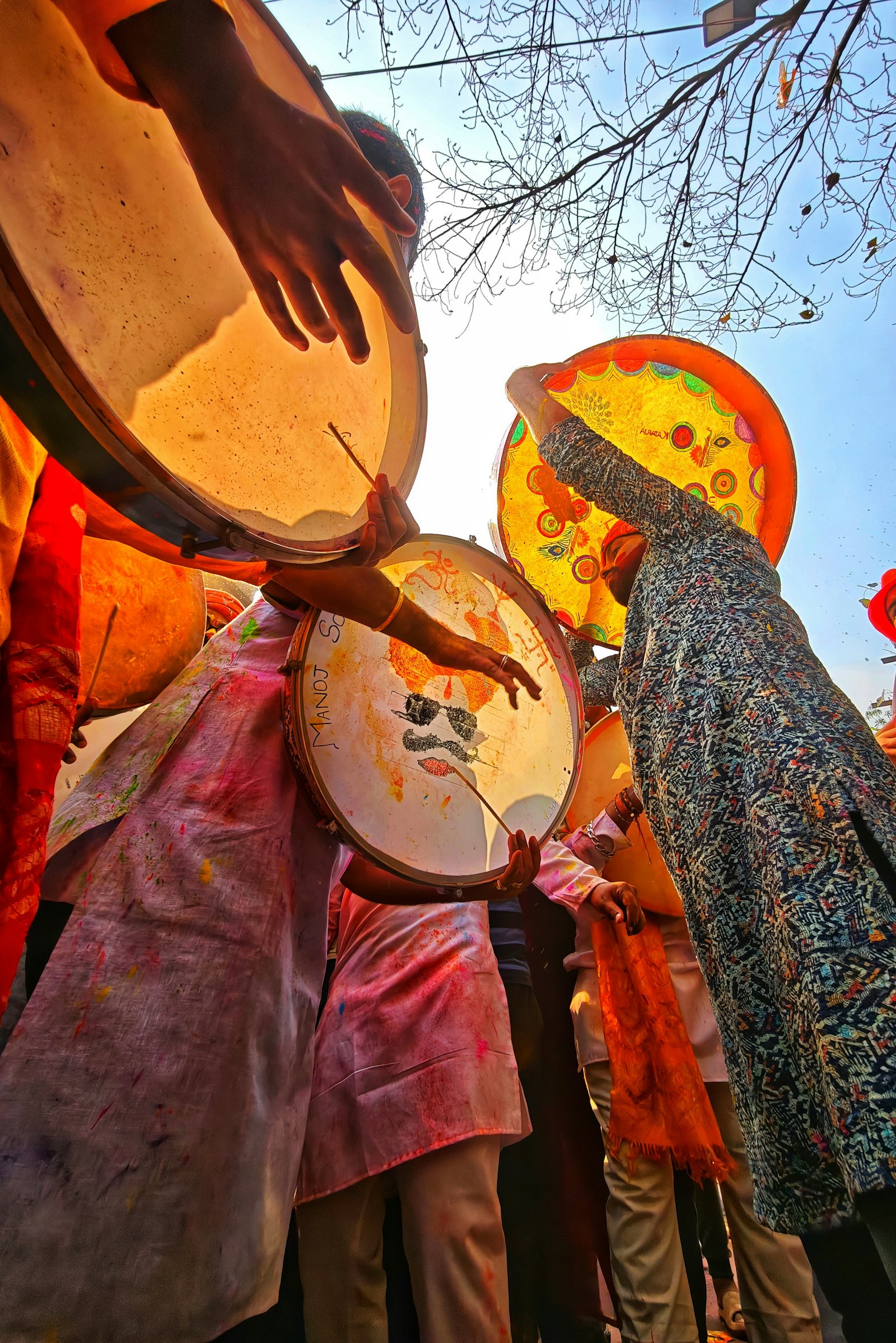
Every Sunday evening, as the sun begins its descent toward the turquoise waters of the Gulf of Mexico, a transformation occurs on the quartz-white sands of Florida’s most famous beach. The air, usually filled with the sound of crashing waves and seagulls, begins to vibrate with a low, primal hum. This is the start of the Siesta Key drum circle, a weekly ritual that has become a cornerstone of rhythmic culture in the United States.
For those who love beach dancing, Siesta Key drum circle offers a unique opportunity to move freely to the pulse of djembe, conga, and dunun rhythms. Whether you are a seasoned percussionist or a traveler looking for a soulful experience, this gathering represents the pinnacle of community-driven music.
The Magic of the Sunday Sunset Ritual
The Siesta Key drum circle isn't just a performance; it’s a spontaneous, organic event that has been running for decades. There is no central stage or ticket booth. Instead, a ring forms naturally near the public beach pavilion. As the drummers take their seats, the dancers follow, creating a swirling vortex of energy that peaks just as the sun touches the horizon.
Participants come from all walks of life. You’ll see professional musicians alongside local families, and fire dancers sharing space with toddlers. The common thread is the rhythm. The white sand acts as a natural dance floor, soft on the feet and cool even after a hot Florida day.
What to Expect: The Rhythms and Instruments
The soundscape of Siesta Key is diverse. While the djembe is the most common instrument seen in the circle, you will also hear the sharp, metallic ring of a cowbell, the deep thud of a dunun, and the intricate patterns of a doumbek.
- The Inner Ring: This is where the core drummers sit. They establish the heartbeat of the evening.
- The Dance Floor: The space immediately surrounding the drummers is reserved for those who want to express the music through movement.
- The Outer Circle: Spectators, photographers, and those simply soaking in the vibe form the largest part of the crowd.
If you find yourself inspired by the skill of the local players, you might consider looking for drum teachers to help you master the basics before your next visit.
Tips for Beach Dancing at Siesta Key
If you plan on joining the dancers, there are a few things to keep in mind to ensure you have the best experience possible:
- Arrive Early: The circle usually starts about an hour before sunset, but the beach fills up fast. Arriving early ensures a good spot near the rhythm.
- Hydrate: Dancing in the sand is a full-body workout. Bring plenty of water, as the Florida humidity can be intense even in the evening.
- Respect the Space: Dancers should be mindful of the drummers’ physical space. Avoid bumping into the instruments, many of which are expensive, handcrafted pieces of art.
- Dress Comfortably: Flowing clothes, sarongs, and bare feet are the standard. The goal is freedom of movement.
Etiquette for Newcomers
Every drum circle has its own unwritten rules. At Siesta Key, the vibe is incredibly welcoming, but a few points of etiquette go a long way.
First, if you are a drummer, listen for a few minutes before joining in. Try to complement the existing rhythm rather than playing over it. For dancers, the key is to stay mindful of the "flow." If the circle is particularly crowded, keep your movements vertical rather than horizontal to avoid colliding with your neighbors.
Photography is generally welcomed, but it is always polite to ask before taking close-up portraits of specific performers. Most importantly, this is a family-friendly event—keep the energy positive and inclusive.
Beyond the Beach: The Local Rhythmic Scene
While Siesta Key is the most famous, the Sarasota area is a hub for percussion enthusiasts. Many participants in the Sunday circle also attend events throughout the week, including indoor jam sessions and formal workshops.
For those who want to dive deeper into the technical side of West African or Afro-Cuban percussion, checking out local drum schools can provide the structured learning needed to move from a casual participant to a lead player in the circle.
Why Siesta Key is a Must-Visit for Rhythm Travelers
There is something scientifically healing about the combination of drumming and the ocean. The negative ions from the surf, combined with the entrainment of the group pulse, creates a state of "flow" that is hard to find elsewhere. It’s a form of community therapy that leaves participants feeling rejuvenated and connected.
If you are planning a trip specifically around music, searching for drumming retreats in the Florida area can turn a weekend visit into a life-changing educational experience.
Find a drum circle near you and start your rhythmic journey today.
Frequently asked
- What time does the Siesta Key drum circle start?
- The circle typically begins about one hour before sunset every Sunday throughout the year. It is recommended to arrive at least two hours early during peak tourist season to find parking and a good spot on the sand.
- Where exactly on the beach is the drum circle located?
- The gathering takes place on Siesta Beach, usually between the main concession stand/pavilion and the volleyball courts. Look for the large crowd and listen for the sound of the drums as you walk toward the water from the main parking lot.
- Can anyone join in the drumming or dancing?
- Yes, the Siesta Key drum circle is open to everyone. Whether you have a professional conga or just want to dance in the sand, the community welcomes all ages and skill levels, provided you remain respectful of the collective rhythm.
Find a drum circle near you
Browse hundreds of circles, teachers and rhythm community gatherings.
Explore drum circles