
Finding a Beach Drum Circle Near Me: The Ultimate Rhythm Guide
Discover the magic of drumming by the ocean, from finding local sunset gatherings to learning basic beach circle etiquette.
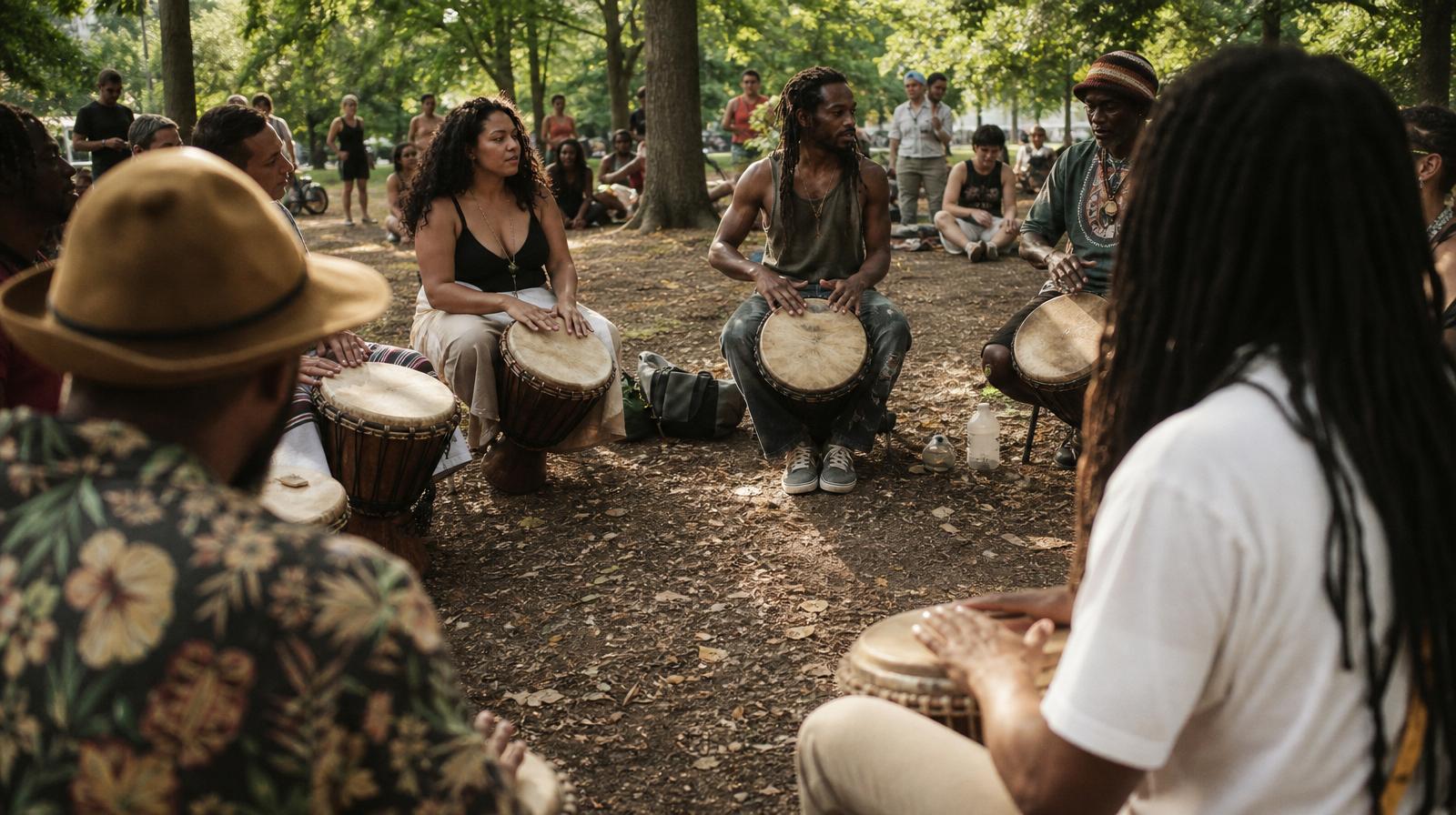
There is something primal and deeply restorative about the sound of a djembe echoing over the crashing surf. As the sun begins to dip below the horizon, painting the sky in hues of orange and violet, the steady pulse of the rhythm begins. For many, a beach drum circle is more than just a musical gathering; it is a weekly ritual of connection, release, and community.
Whether you are a seasoned percussionist or someone who has never touched a drum head, finding a "beach drum circle near me" is often the first step toward a transformative experience. In this guide, we will explore how to locate these gatherings, what to expect, and how to participate with confidence.
Why Beach Drum Circles are Unique
Unlike indoor circles held in community centers or studios, beach circles are dictated by the elements. The acoustics are open, the floor is sand, and the atmosphere is inherently relaxed. The salt air and the vastness of the ocean create a sense of freedom that often leads to more experimental and high-energy playing.
Many beach circles are tied to specific lunar or solar events. Full moon drum circles are particularly popular, drawing larger crowds and often featuring fire dancers, hula hoopers, and meditators alongside the drummers. These events serve as a bridge between music and mindfulness.
How to Find a Local Beach Drum Circle
If you are searching for a rhythm community by the shore, start with these reliable methods:
- Online Directories: The most efficient way to find verified gatherings is to browse the Drum Circle Directory, where you can filter by location and venue type.
- Social Media Groups: Search for local "community rhythm" or "percussion" groups on platforms like Facebook. Many beach circles have dedicated pages where they post weather updates.
- Local Music Shops: Visit independent music stores that sell hand drums. The staff often know the local "underground" spots that aren't always advertised online.
- Sunset Timing: Most beach circles begin about an hour before sunset. If you know a beach is popular for drumming, showing up during the "golden hour" is your best bet.
Essential Instruments for the Sand
While any instrument is welcome, the beach environment requires some consideration for your gear. Sand and salt can be abrasive, so choose your instrument wisely.
- The Djembe: The king of the beach circle. Its loud, sharp slaps and deep bass notes carry well over the sound of the wind and waves.
- Dunun (Doundoun): These large, double-headed drums provide the heartbeat of the circle. They are often played with sticks and provide the foundational groove.
- Congas: While heavy to carry across the sand, congas offer a melodic, warm tone that complements the sharper djembe sounds.
- Frame Drums: Lightweight and portable, these are perfect for those who want to participate without hauling a heavy drum through the dunes.
- Auxiliary Percussion: Shakers, cowbells, and tambourines are essential. They fill the "sonic gaps" and allow people without drums to contribute to the polyrhythm.
If you're unsure about your technique, consider connecting with drum teachers who can show you how to get the best sound out of your specific instrument before you head to the shore.
Beach Drumming Etiquette: The Unwritten Rules
To ensure a positive experience for everyone, there are a few community standards to keep in mind:
- Listen First: Before you start playing, stand on the edge of the circle and listen to the current groove. Try to find the "pulse" before you join in.
- Don't Overpower: The goal is harmony, not a solo. If you can't hear the person next to you, you might be playing too loud.
- Ask Before You Drum: Never pick up someone else's drum without asking. Many hand-carved instruments are deeply personal and fragile.
- Respect the Environment: Pack out what you pack in. Beaches are sensitive ecosystems; ensure no trash or debris is left behind after the circle breaks up.
- Support the Facilitator: Some circles are "facilitated," meaning a leader guides the rhythm. Follow their signals for volume changes or stops.
The Health and Wellness Benefits
Beyond the fun, drumming on the beach offers significant mental and physical health benefits. The rhythmic vibration of the drums has been shown to reduce stress and promote the release of endorphins. When combined with the "Blue Mind" effect—the meditative state we fall into when near water—the result is a powerful sense of well-being.
For those looking for a deeper dive into these benefits, many drumming retreats combine daily beach circles with yoga and meditation to provide a holistic reset for the mind and body.
What to Bring Besides Your Drum
To stay comfortable during a long session, pack a "rhythm kit" including:
- A Low Chair or Rug: Playing while standing can be tiring; a sand-friendly seat is a lifesaver.
- Hydration: Drumming is a physical workout. Bring plenty of water.
- Layers: Once the sun goes down, beach temperatures can drop rapidly.
- Flashlight: For packing up your gear safely in the dark.
Joining the Global Rhythm Community
Beach drum circles are a gateway to a much larger world of percussion. What starts as a casual sunset jam can lead to enrolling in drum schools to study traditional West African or Afro-Cuban rhythms. The community is welcoming, diverse, and always looking for a new heartbeat to join the song.
Find a drum circle near you by visiting our directory.
Frequently asked
- Do I need to be a professional drummer to join a beach drum circle?
- Absolutely not. Most beach drum circles are community-focused and welcome all skill levels, including absolute beginners. The focus is on participation and connection rather than technical perfection.
- Is it okay to bring kids to a beach drum circle?
- Yes, most beach circles are family-friendly environments. It is a wonderful way for children to explore rhythm and music in a natural setting, though it is always wise to bring ear protection for very young children.
- What should I do if I don't own a drum?
- Many people bring extra percussion like shakers or bells to share. You can also simply clap along or dance. Some facilitated circles even provide loaner drums for those who arrive early.
- Are beach drum circles held year-round?
- This depends on your location. In warmer climates like Florida or California, they happen year-round. In colder regions, they are typically seasonal summer events or move indoors during the winter months.
Find a drum circle near you
Browse hundreds of circles, teachers and rhythm community gatherings.
Explore drum circles