
Beach Drumming Siesta Key: A Guide to the Sunday Sunset
Experience the rhythmic heartbeat of Florida's Gulf Coast with our ultimate guide to the legendary Siesta Key drum circle.
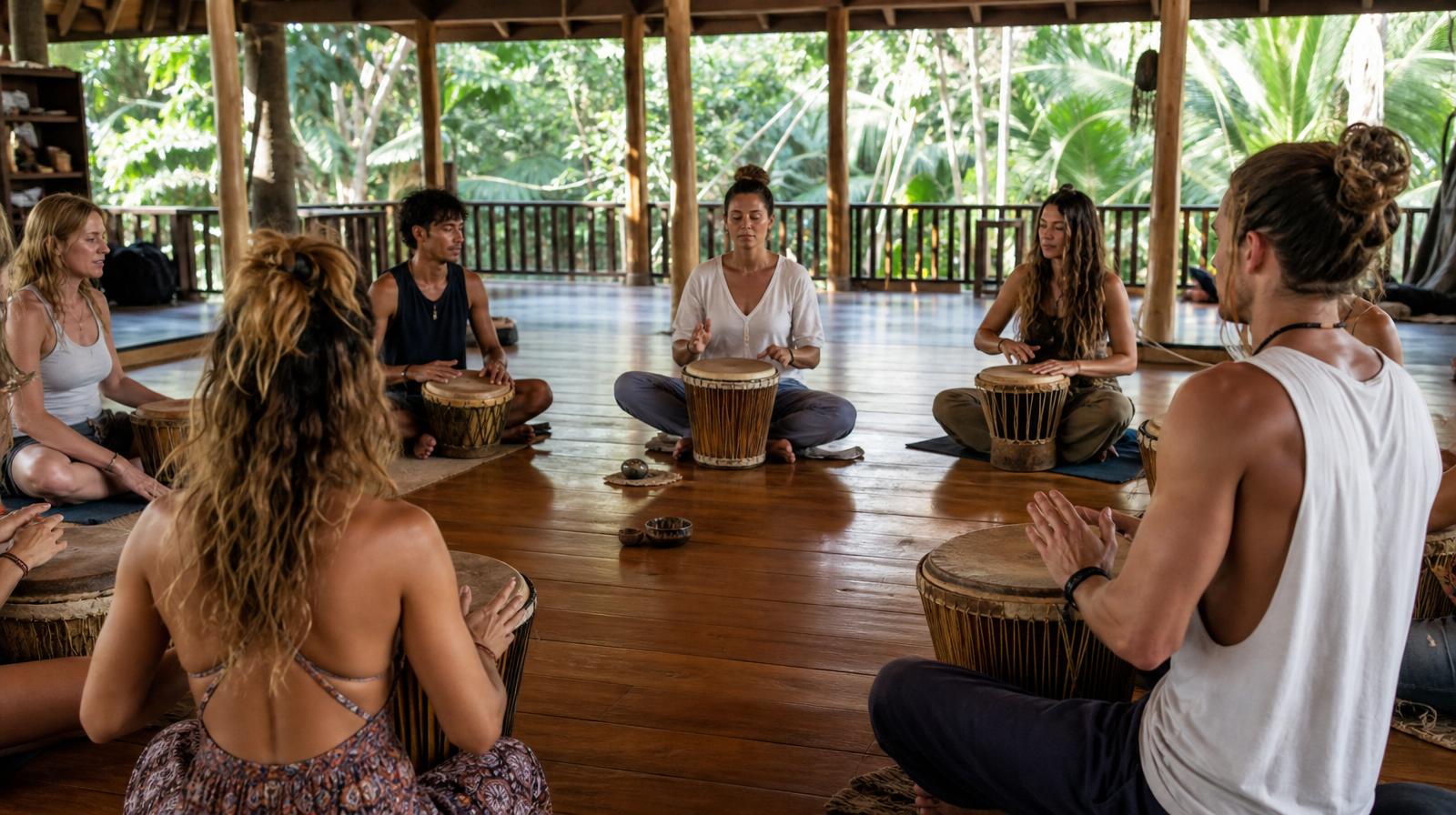
There is a specific magic that happens when the Florida sun begins its descent toward the Gulf of Mexico. The heat of the day softens, the sand turns to cool powder underfoot, and a low, resonant thrum begins to echo across the dunes. This is the sound of beach drumming Siesta Key, a weekly tradition that has transformed this award-winning beach into a global destination for rhythm seekers.
Whether you are a seasoned percussionist carrying a professional djembe or a curious traveler looking to soak in the atmosphere, the Siesta Key drum circle offers a unique communal experience. It is a place where the barrier between performer and audience dissolves, replaced by a shared pulse that celebrates life, nature, and the power of the beat.
The History and Spirit of the Siesta Key Drum Circle
For over two decades, the drum circle at Siesta Key has been a grassroots phenomenon. It wasn't started by a marketing board or a city event planner; it grew organically from a small group of local drummers who wanted to honor the sunset. Today, it has grown into one of the most famous drum circles in the United States.
The spirit of the gathering is one of radical inclusion. On any given Sunday, you will find a diverse tapestry of participants: retirees from Sarasota, families with toddlers, professional musicians, and spiritual seekers. The rhythm serves as the common language, bridging gaps in age, background, and skill level.
When and Where to Find the Rhythm
The Siesta Key drum circle takes place every Sunday evening, year-round. Because the event is centered around the sunset, the start time shifts slightly with the seasons. Generally, drummers begin to gather about an hour before dusk.
- Location: The circle forms on the main Siesta Public Beach, just south of the main pavilion and concession stand.
- Timing: In the winter months, the energy builds around 4:30 PM. In the peak of summer, the peak volume usually hits between 7:00 PM and 8:00 PM.
- Parking: Siesta Key is popular. If you are bringing heavy gear like congas or a dunun set, arrive at least two hours early to secure a spot in the main parking lot.
Instruments You’ll Hear (and Can Bring)
One of the joys of beach drumming Siesta Key is the sheer variety of sounds. The acoustics of the open beach allow for a massive wall of sound that can be heard from blocks away. If you are planning to join in, here are the instruments you are likely to encounter:
- Djembes: The most common drum in the circle, known for its deep bass and sharp slaps.
- Ashikos and Congas: These provide the mid-range melodic rhythms that keep the groove steady.
- Frame Drums and Tambourines: Perfect for those who want to add texture without carrying a heavy instrument.
- Dunun (Dun Dun): The heartbeat of West African drumming, these large cylindrical drums provide the foundational bass line.
- Doumbeks: Often used by belly dancers who frequent the circle, offering intricate, crisp rhythms.
- Shakers and Cowbells: Essential for maintaining the tempo (the "timekeeper" role).
If you are new to the craft and want to improve your technique before joining the fray, consider connecting with drum teachers who specialize in hand percussion.
The Flow of a Sunday Session
The afternoon usually begins with a "soft start." A few dedicated drummers will establish a basic 4/4 or 6/8 beat. As the sun dips lower, more players join, and the circle widens. At its peak, the circle can feature 30 to 50 drummers at the center, surrounded by hundreds of spectators and dancers.
You will often see belly dancers in full regalia, hula hoopers with LED lights, and fire spinners (safety permitting). The energy is cyclical; the rhythm will build to a frantic, high-energy crescendo before dropping back down to a meditative, tribal pulse. This ebb and flow is what makes the Siesta Key experience so hypnotic.
Etiquette for Newcomers and Visitors
While the circle is open to everyone, following a few basic "rules of the rhythm" ensures that the community remains harmonious. If you’re traveling specifically for this, you might also be interested in other drumming retreats that focus on these community dynamics.
- Listen First: Before you start playing, listen to the established beat for a minute. Try to find the "one" (the first beat of the measure) and lock in.
- Respect the Core: The center of the circle is for the drummers and the dancers. Try not to walk through the middle of the rhythm section while they are in a deep groove.
- Volume Control: If you have a very loud drum, be mindful of those around you. You don't always need to play at 100% volume to be heard.
- Ask Before Playing Someone Else's Drum: Most drummers are happy to share, but always ask permission before picking up an instrument that isn't yours.
- Leave No Trace: Siesta Key is a beautiful natural resource. Ensure you pack out all trash and respect the beach environment.
Why Siesta Key is Unique
Unlike many urban drum circles that take place in parks or plazas, beach drumming Siesta Key benefits from the "quartz sand" effect. The sand here is 99% pure quartz, which stays cool even on the hottest days and provides a bright, reflective backdrop for the sunset. The combination of the rhythmic vibrations and the negative ions from the ocean breeze creates a legitimate "rhythm therapy" environment.
Many participants report feeling a sense of "group entrainment," where their heart rates and breathing sync up with the collective beat. It is a powerful reminder of our human need for connection and synchronized movement.
Beyond the Beach: Growing Your Skills
If the Sunday circle ignites a passion for percussion, don't let the rhythm stop when you leave the sand. The Sarasota and Gulf Coast area is home to several drum schools and private instructors who can help you move from basic banging to intentional polyrhythms. Learning the traditional West African or Afro-Cuban rhythms that often inspire these circles can make your participation even more rewarding.
For those looking for more structured gatherings, keep an eye on local events listings for full-moon circles or indoor rhythm workshops during the rare rainy Sundays.
Conclusion
Beach drumming Siesta Key is more than just a tourist attraction; it is a living, breathing monument to community spirit. It serves as a weekly reset button for locals and a bucket-list experience for visitors. When you stand on that white sand, surrounded by the smell of salt air and the thunder of fifty drums, you realize that rhythm is the most fundamental way we connect with each other.
Find a drum circle near you.
Frequently asked
- What time does the Siesta Key drum circle start?
- The circle generally begins about one hour before sunset every Sunday. In the winter, this is usually around 4:30 PM, while in the summer, the drumming starts closer to 7:00 PM.
- Is the Siesta Key drum circle family-friendly?
- Yes, it is a very family-friendly event. Children are welcome to dance and even play small shakers, though parents should be mindful that it can get quite loud and crowded near the center of the circle.
- Do I need to bring my own drum to participate?
- While many regulars bring their own djembes or congas, you don't need an instrument to enjoy the event. You can dance, clap along, or simply enjoy the spectacle. Occasionally, friendly regulars may have an extra shaker to share.
- Where is the best place to park for the drum circle?
- The best place to park is the main Siesta Key Public Beach parking lot. However, it fills up very quickly on Sundays. It is highly recommended to arrive at least two hours before sunset to secure a spot.
Find a drum circle near you
Browse hundreds of circles, teachers and rhythm community gatherings.
Explore drum circles