
Beach Percussion Circle: A Guide to Rhythms by the Water
Discover the magic of joining a beach percussion circle, from essential gear to the unique etiquette of drumming by the ocean.
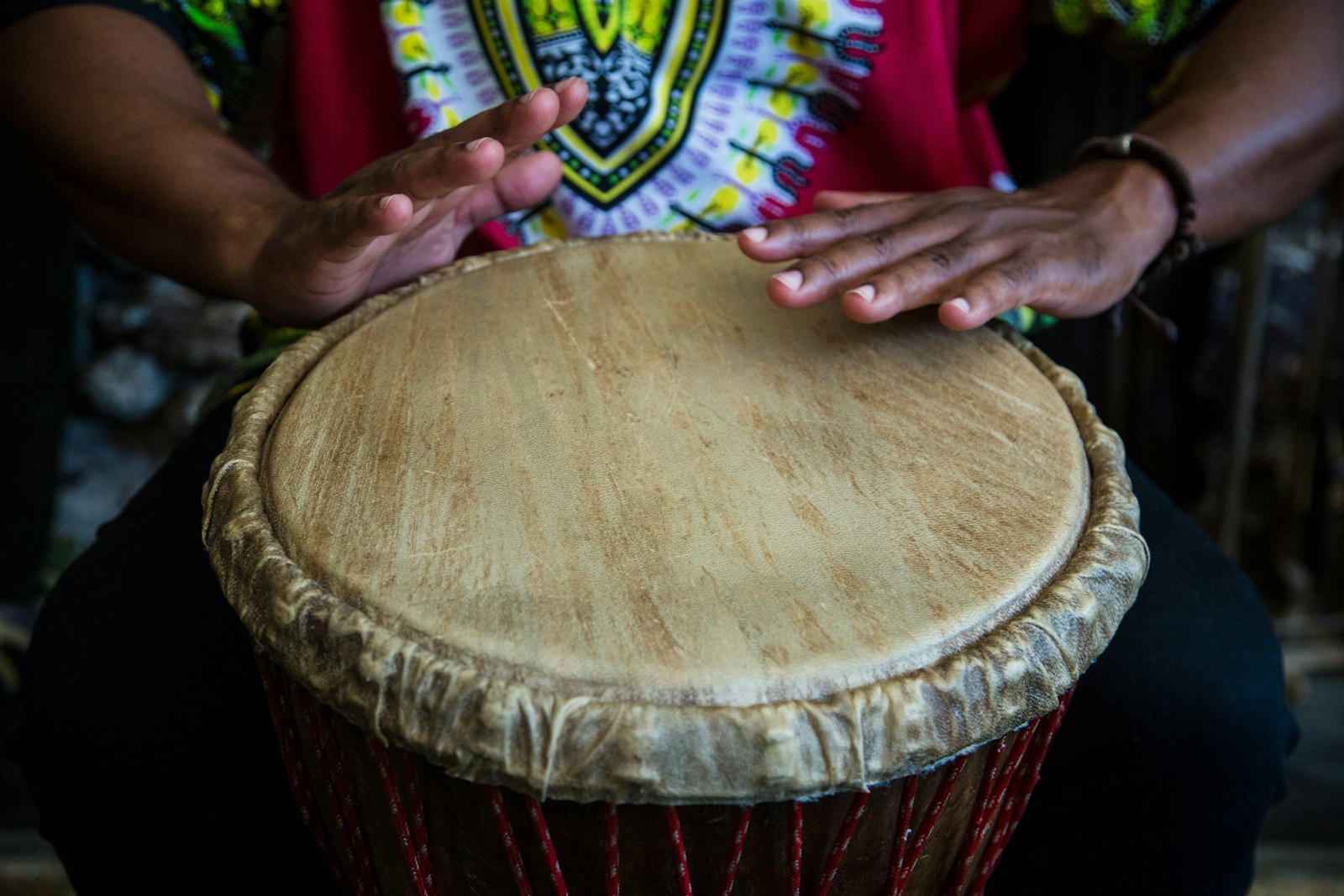
There is something primal and deeply resonant about the sound of a drum echoing across the shoreline. When the rhythmic pulse of a djembe meets the rhythmic crash of the tide, a unique synergy occurs. A beach percussion circle isn't just a musical gathering; it is a sensory experience that connects participants to the elements, the community, and their own internal metronome.
Whether you are a seasoned conguero or someone who has never touched a drum head, the beach offers one of the most welcoming environments for rhythmic exploration. In this guide, we will explore how to prepare for your first coastal jam, what instruments to bring, and how to respect the delicate balance of public space and nature.
The Magic of Drumming by the Sea
Unlike indoor drum circles held in community centers or studios, a beach percussion circle is defined by its lack of walls. The sound travels differently over open water, and the natural white noise of the wind and waves creates a lush sonic backdrop. This environment encourages a more fluid, organic style of playing.
Many beach circles are tied to celestial events, such as full moons or sunsets. These gatherings often start softly as the sun dips below the horizon and build in intensity as the stars come out. The lack of artificial lighting focuses the senses on the sound and the physical vibration of the instruments, leading to a meditative state often referred to as "entrainment."
Choosing the Right Instruments for Sand and Salt
Not every instrument is suited for the beach. Sand is abrasive, and salt air can be corrosive to metal hardware and sensitive wood finishes. When selecting your gear, consider durability and ease of cleaning.
- Djembes: The most common sight at any circle. Synthetic heads (like those from Remo or Meinl) are often preferred over goatskin for the beach because they don't lose their tension in humid sea air.
- Frame Drums: Lightweight and easy to carry across the dunes. A tar or bodhrán can provide beautiful, haunting tones that complement the sound of the wind.
- Dunun: These bass drums provide the heartbeat of the circle. If you bring a dunun set, ensure you have a sturdy stand or a mat to keep them out of the direct sand.
- Shakers and Shekeres: Perfect for beginners or those who want to add texture without carrying a heavy drum. Gourd-based shekeres should be kept dry, while plastic shakers are virtually indestructible.
- Handpans: While beautiful, handpans are sensitive to heat and salt. If you bring one, keep it in the shade when not playing and wipe it down immediately after the session to prevent rusting.
Essential Gear for a Coastal Session
Beyond your instrument, your comfort determines how long you can stay in the groove. The beach presents unique logistical challenges that a standard indoor session does not.
First, consider your seating. A low-profile beach chair or a sturdy drum stool with "sand feet" (wide attachments that prevent sinking) is essential. Many drummers prefer a simple Mexican blanket or a heavy-duty rug to create a "sand-free" zone for their gear.
Protection is the next priority. Sunscreen and hats are vital for afternoon starts, but as evening falls, the temperature by the water can drop rapidly. Bringing a windbreaker or a poncho will keep your muscles warm and limber. Always carry a dry cloth to wipe down your drum's hardware and shell before packing it away, as salt spray can cause pitting on chrome lugs over time.
Beach Drumming Etiquette and Flow
Every beach percussion circle has its own "vibe," but general etiquette remains consistent. When you arrive, take a moment to listen before joining in. Observe the lead drummers—often those playing the dununs or the lead djembe—to understand the time signature and tempo.
- Respect the Volume: Sound carries incredibly far over water. Be mindful of other beachgoers and local noise ordinances. Most circles have a natural "cut-off" time.
- Leave No Trace: This is the golden rule. Pack out everything you pack in. Cigarette butts, bottle caps, and food wrappers have no place on the sand.
- The "Inner Circle": Usually, the most experienced players or those with the loudest instruments sit in the center or the front. If you are a beginner, sitting slightly back allows you to hear the pulse clearly while you find your footing.
- Ask Before You Play: If someone has stepped away from their drum, do not assume it’s free for public use. Many hand drums are handmade works of art and are very personal to their owners.
If you're looking to improve your technique before heading to the shore, connecting with drum teachers can give you the confidence to hold down a steady beat in a large group.
Finding a Circle Near You
Beach circles are often grassroots movements. Some have been meeting at the same lifeguard stand every Sunday for thirty years, while others are pop-up events organized via social media. The best way to find a consistent gathering is to check local community boards or specialized directories.
If you are traveling, look for drumming retreats located in coastal regions like Costa Rica, Hawaii, or the Mediterranean, where beach sessions are integrated into the daily schedule. For those staying local, you can browse our comprehensive list of drum circles to find a seaside rhythm community in your area.
The Health Benefits of Outdoor Rhythms
Drumming is scientifically proven to reduce stress and boost the immune system. When you combine these benefits with the "Blue Mind" effect—the meditative state humans reach when near water—the results are profound. The negative ions found in ocean spray, combined with the grounding physical act of drumming, can significantly lower cortisol levels.
Participants often report a sense of "oceanic boundlessness," a feeling of being part of something much larger than themselves. In a world that is increasingly digital and isolated, the beach percussion circle offers a tangible, analog way to reconnect with the earth and our fellow humans.
Find a drum circle near you by visiting our directory at /drum-circles.
Frequently asked
- Will sand ruin my drum?
- Sand is abrasive and can scratch the finish of wood drums or get into the tuning lugs. To protect your instrument, always place it on a rug or mat rather than directly on the sand, and use a soft cloth to wipe it down thoroughly after your session.
- Do I need to be a professional drummer to join a beach circle?
- Not at all. Most beach percussion circles are community-focused and welcome all skill levels. Beginners can start with simple percussion like shakers or woodblocks, or simply listen until they feel comfortable enough to contribute a basic steady beat.
- What is the best time to go to a beach drum circle?
- Many circles are timed around the sunset to take advantage of the cooling air and beautiful views. Full moon circles are also incredibly popular and usually start an hour or two before moonrise, continuing well into the evening.
Find a drum circle near you
Browse hundreds of circles, teachers and rhythm community gatherings.
Explore drum circles