
Beach Performance Siesta Key Drum Circle: A Visitor's Guide
Experience the rhythmic heartbeat of Florida's most iconic sand with our complete guide to the Siesta Key drum circle.
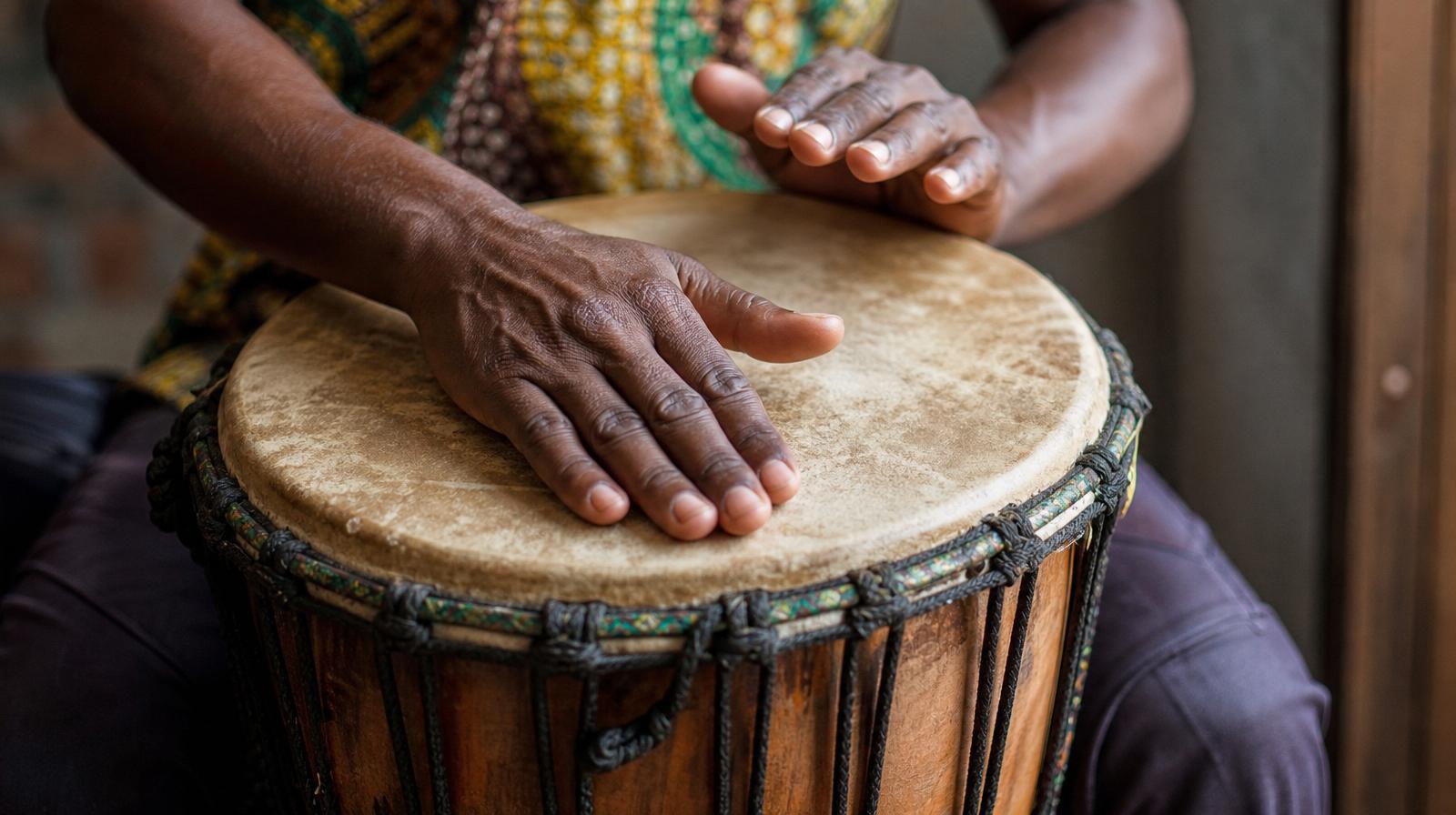
There is a specific kind of magic that occurs when the sun begins its slow descent over the Gulf of Mexico, turning the quartz-white sands of Florida into a glowing stage. For decades, the beach performance Siesta Key drum circle has served as the heartbeat of Sarasota, drawing hundreds of locals and travelers alike into a spontaneous, rhythmic celebration of life.
Whether you are a seasoned percussionist carrying a professional djembe or a curious traveler hoping to soak in the atmosphere, the Siesta Key gathering is a bucket-list experience. It is not just a musical event; it is a community ritual that bridges generations and backgrounds through the universal language of the beat.
The History and Spirit of Siesta Key Rhythm
The Siesta Key drum circle didn't start as a formal event. Like many of the best community gatherings, it grew organically. It began with a few local drummers meeting to celebrate the sunset and has since evolved into one of the most famous beach performances in the United States.
What makes this specific circle unique is the setting. Siesta Key is world-renowned for its sand—99% pure quartz—which stays cool underfoot and acts as a natural acoustic dampener, allowing the crisp highs of a doumbek or the deep lows of a dunun to carry clearly across the dunes. The spirit here is one of radical inclusion; there is no stage, no barrier between the "performers" and the audience, and no cost to join.
When and Where to Find the Beat
If you are planning your visit, timing is everything. The circle takes place every Sunday evening, year-round. However, the exact start time shifts with the seasons because the rhythm is dictated by the sun.
- Arrival Time: Drummers usually begin to gather about an hour before sunset.
- Location: Look for the crowd between the Siesta Key Public Beach snack bar and the volleyball courts. You will hear the thrum of the bass long before you see the circle.
- Peak Energy: The intensity usually peaks just as the sun touches the horizon and continues for about 30 to 45 minutes after dark.
During the summer months, the energy is high and humid, often attracting larger crowds. In the winter, the vibe is slightly more mellow but equally soulful. If you're looking for similar high-energy gatherings elsewhere, checking our directory of drumming events can help you find your next destination.
The Instruments of the Shore
While the djembe is the undisputed king of the beach performance Siesta Key drum circle, you will see a diverse array of instruments. The variety of sound is what gives this circle its complex, layered texture.
- Djembes: These West African drums provide the main voice of the circle, with sharp slaps and deep bass notes.
- Congas and Bongos: Adding a Latin flair, these drums provide the steady, driving mid-tones.
- Frame Drums and Tambourines: Often played by those dancing in the center, these add a bright, shimmering layer to the mix.
- Dunun (Dundun): These large, cylindrical drums played with sticks provide the "heartbeat" or the foundational bass line that keeps the tempo steady.
- Shakers and Shekeres: Perfect for beginners who want to contribute to the groove without leading a rhythm.
If you are inspired by the sounds you hear and want to start your own rhythmic journey, connecting with drum teachers can help you master the basic strokes before your next beach outing.
Etiquette for a Harmonious Circle
To keep the beach performance Siesta Key drum circle a positive experience for everyone, there are a few unwritten rules of etiquette to follow. These ensure that the music stays cohesive and the environment remains welcoming.
- Listen First: Before you start playing, listen to the established rhythm for a few minutes. Try to find a pocket where your sound complements the group rather than competing with it.
- Respect the Center: The middle of the circle is typically reserved for dancers, flow artists (like hula hoopers), and children. Keep the inner space clear so people can move.
- Ask Before You Play: If you see a drum sitting unattended, do not assume it is public property. Most drummers are happy to share, but always ask permission first.
- Support the Pulse: If you aren't sure what to play, stick to the basic pulse. A simple, steady beat is more helpful to the group than a complex solo that goes off-tempo.
- Leave No Trace: The beach is a fragile ecosystem. Ensure you pack out everything you brought in, including water bottles and earplugs.
Beyond the Music: Dancing and Flow Arts
The Siesta Key drum circle is as much a visual spectacle as it is an auditory one. As the rhythm builds, the center of the circle fills with dancers. You’ll see everything from professional belly dancers and fire spinners (on special occasions) to toddlers taking their first rhythmic steps in the sand.
This "flow" is an essential part of the performance. The drummers feed off the energy of the dancers, and the dancers move to the cues of the drummers. It is a beautiful example of call-and-response that extends beyond just the instruments. For those who want to dive deeper into this lifestyle, attending drumming retreats can offer a more immersive way to experience the connection between movement and music.
Planning Your Trip to Sarasota
If you are traveling from out of town specifically for the beach performance Siesta Key drum circle, here are a few logistical tips:
- Parking: The public beach parking lot is large but fills up incredibly fast on Sundays. Aim to arrive by 4:00 PM to secure a spot and enjoy some beach time before the music starts.
- What to Bring: A beach chair or blanket, plenty of water, and perhaps some ear protection if you plan on standing close to the loudest drums.
- Photography: Taking photos is generally welcomed, but try to be respectful and stay out of the direct line of the dancers and drummers.
Why We Drum
At its core, the Siesta Key gathering is a reminder of our need for connection. In a world that is increasingly digital, standing on a beach with hundreds of strangers, all vibrating to the same frequency, is a transformative experience. It lowers stress, boosts community spirit, and reminds us of the simple joy of being present.
Whether you are there to play, dance, or simply observe, the rhythm will stay with you long after the last echo of the djembe fades into the sound of the Gulf waves.
Find a drum circle near you by visiting our global directory at /drum-circles.
Frequently asked
- What time does the Siesta Key drum circle start?
- The circle begins approximately one hour before sunset every Sunday. Because sunset times change throughout the year, the start time ranges from about 4:30 PM in the winter to 7:00 PM in the summer.
- Is the Siesta Key drum circle family-friendly?
- Yes, it is a very family-friendly event. Children are often seen dancing in the center of the circle or playing small shakers. However, it can get quite loud, so noise-canceling headphones are recommended for very young children.
- Can anyone join in and play at the drum circle?
- Absolutely. The Siesta Key drum circle is open to everyone regardless of skill level. Beginners are encouraged to start with simple rhythms or shakers and to listen closely to the lead drummers to stay in sync with the group.
- Where exactly on the beach is the drum circle located?
- It takes place on Siesta Key Public Beach, usually located between the main concession stand/pavilion and the volleyball courts. Just look for the large gathering of people and listen for the drums.
Find a drum circle near you
Browse hundreds of circles, teachers and rhythm community gatherings.
Explore drum circles