
Beginner Djembe: The Ultimate Guide to Starting Your Rhythm
Discover the joy of West African rhythm with our comprehensive guide to the djembe, covering everything from choosing your first drum to mastering basic hits.
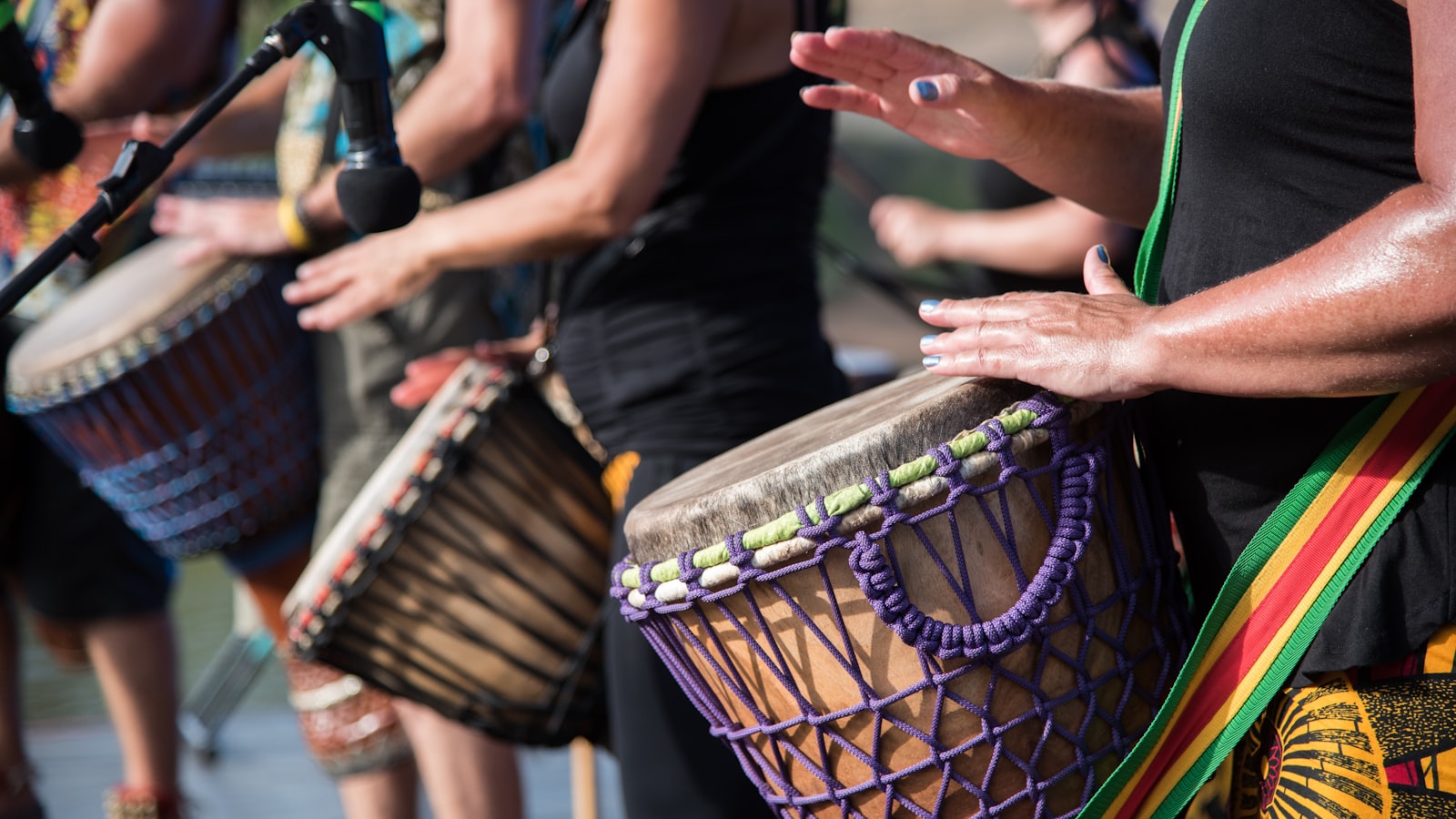
There is something primal and deeply resonant about the sound of a djembe. Originating from West Africa—specifically the Mandinka people of Mali—this goblet-shaped drum has become the heartbeat of modern drum circles worldwide. Whether you are drawn to the thunderous bass or the sharp, cracking slaps, the djembe is one of the most accessible yet profound instruments for a beginner to pick up.
However, starting your journey involves more than just hitting the skin. To truly connect with the instrument and the community, you need to understand the mechanics of the drum, the basic strokes, and the etiquette of the circle. This guide will walk you through everything a beginner djembe player needs to know to get started with confidence.
Choosing Your First Djembe: What to Look For
When you first start searching for a beginner djembe, the variety can be overwhelming. You will encounter two main types: traditional wood-and-goat-skin drums and modern synthetic versions.
Traditional djembes are carved from a single piece of hardwood (like Lenke or Mahogony) and headed with rawhide, usually goat skin. These drums offer a warm, organic tone and a soulfulness that synthetic drums often lack. However, they are sensitive to humidity and temperature, requiring occasional tuning via the Mali weave rope system.
Synthetic djembes, made by brands like Remo or Meinl, use fiberglass or PVC shells and synthetic heads. These are fantastic for beginners who plan to play at outdoor events or beach circles, as they stay in tune regardless of the weather and are generally lighter to carry.
Quick Tips for Buying:
- Size Matters: A standard adult djembe usually has a head diameter of 12 to 14 inches. Anything smaller might be a "travel drum" or a toy, which lacks the deep bass needed for a full sound.
- Check the Rim: Ensure the metal rings are straight and the skin is free of nicks or thin spots.
- Feel the Weight: You’ll likely be holding this drum between your knees, so ensure it’s a weight you can manage comfortably for an hour-long session.
The Three Essential Strokes
The beauty of the djembe lies in its ability to mimic human speech. By changing your hand position, you can produce three distinct tones. Mastering these is the foundation of all beginner djembe playing.
1. The Bass (The Heartbeat)
To play the bass, keep your hand flat with fingers together. Strike the center of the drum head and let your hand bounce off immediately. Think of the drum as a trampoline; you want the sound to resonate, not be muffled. This produces a deep, low-frequency thud.
2. The Tone (The Body)
For the tone, strike the edge of the drum with your fingers together and your palm slightly over the rim. Your contact point should be the pads of your fingers and the top of your palm. The sound should be round, full, and higher in pitch than the bass.
3. The Slap (The Spark)
This is often the most challenging stroke for a beginner djembe enthusiast. The slap is a sharp, high-pitched crack. You play it at the edge of the drum, but with your fingers slightly relaxed and spread. The tips of your fingers should "whip" against the skin, creating a bright, percussive pop.
Proper Posture and Technique
Playing the djembe should never be painful. If your hands are bruising or your back is aching, your technique needs adjustment.
First, sit on a chair or stool that allows your knees to be at a 90-degree angle. Tilt the drum slightly forward, away from you, and grip it with your calves. This opening at the bottom of the drum allows the sound (especially the bass) to escape. If the drum is flat on the floor, the sound will be choked.
Keep your shoulders relaxed and your elbows slightly out. Avoid wearing rings or bracelets, as these can damage the drum skin and hurt your fingers. If you find yourself struggling with consistent rhythm, seeking out drum teachers can provide the personalized feedback necessary to correct your form early on.
Understanding Drum Circle Etiquette
Once you’ve practiced your basic hits, you’ll likely want to join a community gathering. Drum circles are inclusive spaces, but there are a few unwritten rules for the beginner djembe player to ensure a harmonious experience:
- Listen More Than You Play: When you first join a circle, listen to the established groove for a minute before jumping in.
- Support the Bass: The dununs (large cylindrical drums played with sticks) usually provide the heartbeat. As a djembe player, your job is to complement that pulse, not drown it out.
- Leave Space: You don't have to play on every beat. Rests are just as important as notes. Silence allows the rhythm to breathe.
- Respect the Facilitator: Many circles have a facilitator who uses hand signals to change the tempo or call for a "stop." Watch them closely.
If you're feeling nervous about your first time, look for "family-friendly" or "beginner-focused" gatherings on the Drum Circle Directory.
Moving Beyond the Basics: Call and Response
Traditional West African drumming is built on the concept of call-and-response. A lead drummer will play a specific phrase (the call), and the rest of the group will answer with a predetermined rhythm (the response).
As a beginner djembe player, practicing simple 4/4 time rhythms like the Kuku or Moribayassa (in simplified forms) will help you understand how different parts interlock. Unlike a drum kit where one person plays all the parts, a drum circle is a collective effort. Your simple, steady part is a vital piece of a larger rhythmic puzzle.
Taking Your Skills Further
Once you have the basics down, the world of rhythm opens up. You might find yourself interested in other instruments like the conga, the clay doumbek of the Middle East, or the meditative frame drum.
For those who want to dive deep, attending drumming retreats or enrolling in specialized drum schools can accelerate your learning. These immersive experiences allow you to spend days focused on technique, history, and the spiritual aspects of the drum, often led by master drummers from the Manding tradition.
Remember, every master was once a beginner. The djembe is a lifelong companion that offers stress relief, community connection, and a direct line to the universal language of rhythm. Take your time, protect your hands, and most importantly, have fun with the process.
Find a drum circle near you and start your rhythm journey today!
Frequently asked
- Do I need to be musical to play the djembe?
- Not at all. The djembe is one of the most intuitive instruments for beginners. If you can clap your hands in time with a song, you have the basic coordination needed to start playing and enjoying a drum circle.
- How do I prevent my hands from hurting when I play?
- Hand pain is usually caused by hitting the drum too hard or with incorrect technique. Ensure you are 'bouncing' your hand off the skin rather than leaving it there, and keep your hands relaxed. Removing jewelry is also essential to prevent injury.
- What is the difference between a djembe and a conga?
- While both are hand drums, the djembe is goblet-shaped and typically uses goat skin, producing a wider range of high and low tones. Congas are tall, narrow, and usually use thicker cowhide, resulting in a warmer, mellower sound common in Latin music.
- How often should I tune my djembe?
- If you have a rope-tuned (Mali weave) djembe, you may need to tune it every few months or when the skin sounds 'flat' or 'tubby.' Synthetic, bolt-tuned djembes rarely need tuning unless the head is being replaced or has stretched significantly over time.
Find a drum circle near you
Browse hundreds of circles, teachers and rhythm community gatherings.
Explore drum circles