A Beginner Drum Circle in Your City: Your First Rhythm Guide
Discover the joy of group rhythm with our comprehensive guide to finding and joining a beginner drum circle in your city.
There is a unique magic that happens when a group of people comes together to create a collective heartbeat. If you have been searching for a beginner drum circle in your city, you are likely looking for more than just music; you are looking for connection, stress relief, and a way to express your inner rhythm.
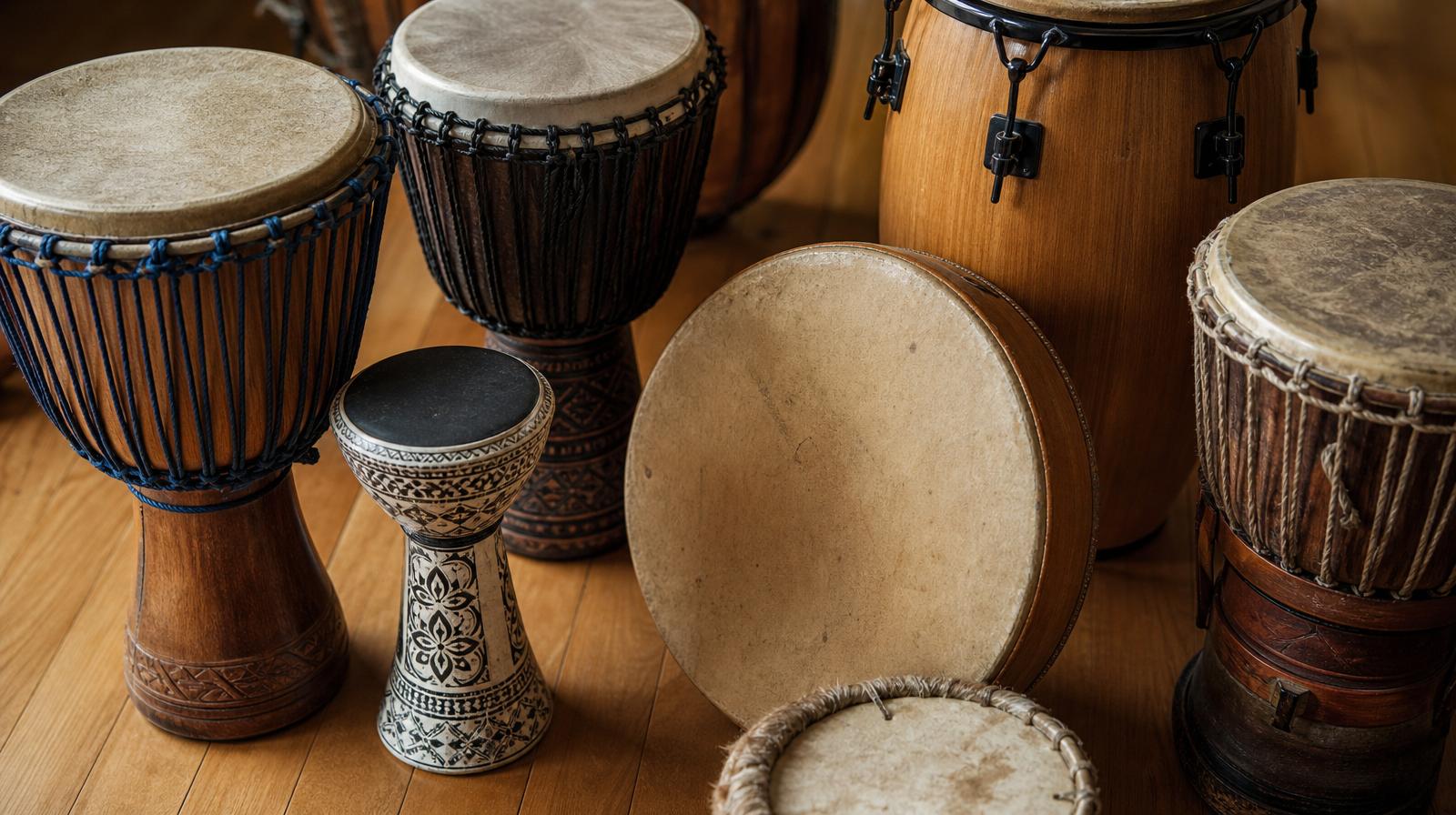
Walking into your first circle can feel intimidating. You might see experienced players with weathered djembes or intricate doumbeks and wonder if you belong. The good news is that drum circles are one of the most inclusive musical environments on the planet. Whether you are holding a shaker for the first time or have years of experience, there is a seat for you in the circle.
What Exactly is a Beginner Drum Circle?
Unlike a drum class or a band rehearsal, a drum circle is a collaborative event where the music is created in the moment. In a beginner-friendly setting, the focus is less on technical perfection and more on the community experience.
In many cities, these gatherings are led by a facilitator. The facilitator’s job is to help the group find a common pulse, manage the volume, and introduce simple call-and-response patterns. This ensures that even those who have never touched a drum can contribute to a beautiful, cohesive sound. From community centers to local parks, these events are designed to be low-pressure and high-joy.
Choosing Your First Instrument
You don’t always need to own a drum to attend. Many organizers provide a 'rhythm basket' filled with percussion instruments. However, if you are ready to invest in your own, here are the most common instruments you'll encounter:
- Djembe: The most popular drum in circles. It offers a wide range of sounds, from deep bass to sharp slaps.
- Congas: Tall, Cuban drums played in pairs or trios, known for their warm, melodic tones.
- Frame Drums: Large, shallow drums often played with the hands or a soft mallet, common in meditative circles.
- Doumbek: A goblet-shaped drum from the Middle East that produces crisp, high-pitched sounds.
- Auxiliary Percussion: If you aren't ready for a drum, shakers, tambourines, and woodblocks are essential for adding texture to the rhythm.
If you want to master a specific instrument before joining, you can find drum teachers who specialize in hand drumming to give you a head start.
Understanding Drum Circle Etiquette
To ensure everyone has a great experience, there are a few unwritten rules of the circle. Following these will help you feel like a pro from day one:
- Listen as much as you play: The best drummers are those who leave space for others. If you can't hear the person next to you, you might be playing too loudly.
- Support the heartbeat: Every circle has a fundamental pulse. Try to lock into that basic beat before adding complex flourishes.
- Ask before playing someone else's drum: Instruments are often deeply personal. Always ask permission before trying out another person's gear.
- Follow the facilitator: If a facilitator signals for a volume drop or a 'rumble' (a chaotic, fast roll), follow their lead to keep the group in sync.
- Remove jewelry: Rings and bracelets can damage the skin of a drum and hurt your hands.
The Health Benefits of Group Drumming
Searching for a beginner drum circle in your city isn't just about music; it's a powerful tool for wellness. Science has shown that group drumming can reduce cortisol levels, boost the immune system, and create a sense of 'entrainment'—where the brainwaves of the participants actually synchronize.
Many people find that the repetitive motion of drumming acts as a form of active meditation. It clears the mind of daily stresses and replaces them with a sense of groundedness. This is why you will often find drumming featured at drumming retreats focused on holistic healing and personal growth.
How to Find Your Local Rhythm Community
Finding a group is easier than you think. Most cities have multiple circles ranging from spiritual full-moon gatherings to family-friendly afternoon sessions in the park.
- Check Local Music Stores: Many shops that sell hand drums host weekly jams.
- Community Centers: These often host facilitated circles aimed at seniors or beginners.
- Social Media Groups: Look for 'Drumming in [Your City]' on platforms like Facebook or Meetup.
- Directory Listings: For a curated list of professional facilitators and established groups, browse through our events page.
What to Bring to Your First Session
Beyond your instrument, a little preparation goes a long way.
- A comfortable chair: If the event is outdoors, a drum-friendly chair (one without arms) is essential.
- Water: Drumming is a physical activity; stay hydrated!
- Ear protection: Even in beginner circles, the volume can escalate quickly. High-fidelity earplugs are a great investment.
- An open mind: The most important thing to bring is a willingness to play and connect with others.
If you find yourself falling in love with the rhythm, consider looking into drum schools to deepen your understanding of traditional rhythms like the West African Kuku or the Afro-Cuban Clave.
No matter your skill level, the drum is a universal language. By joining a circle, you are participating in an ancient human tradition of community and celebration.
Find a drum circle near you at Drum Circle Directory.
Frequently asked
- Do I need to own a drum to join a beginner drum circle?
- Not necessarily. Many circles offer a 'drum loaner' program or have a basket of percussion instruments like shakers and bells for newcomers to use. It is always a good idea to check the event description or message the facilitator beforehand to see if instruments are provided.
- What should I wear to a drum circle?
- Wear comfortable, loose-fitting clothing that allows you to move freely. Avoid wearing rings, large bracelets, or watches, as these can damage the drum head and cause discomfort to your hands while playing.
- I have no musical rhythm; can I still participate?
- Absolutely! Drum circles are inclusive environments where 'mistakes' are just part of the music. A facilitated circle is designed specifically to help beginners find the beat, and the collective sound of the group will support you as you learn.
- How long do drum circles usually last?
- Most community drum circles last between 90 minutes and two hours. This usually includes a brief introduction, several focused drumming sessions with breaks in between, and a closing 'grounding' moment.
Find a drum circle near you
Browse hundreds of circles, teachers and rhythm community gatherings.
Explore drum circles