
Beginner Drum Circle Guide: Join the Rhythm Community
Discover the magic of group rhythm with our comprehensive guide to your first beginner drum circle, covering etiquette, instruments, and finding your beat.
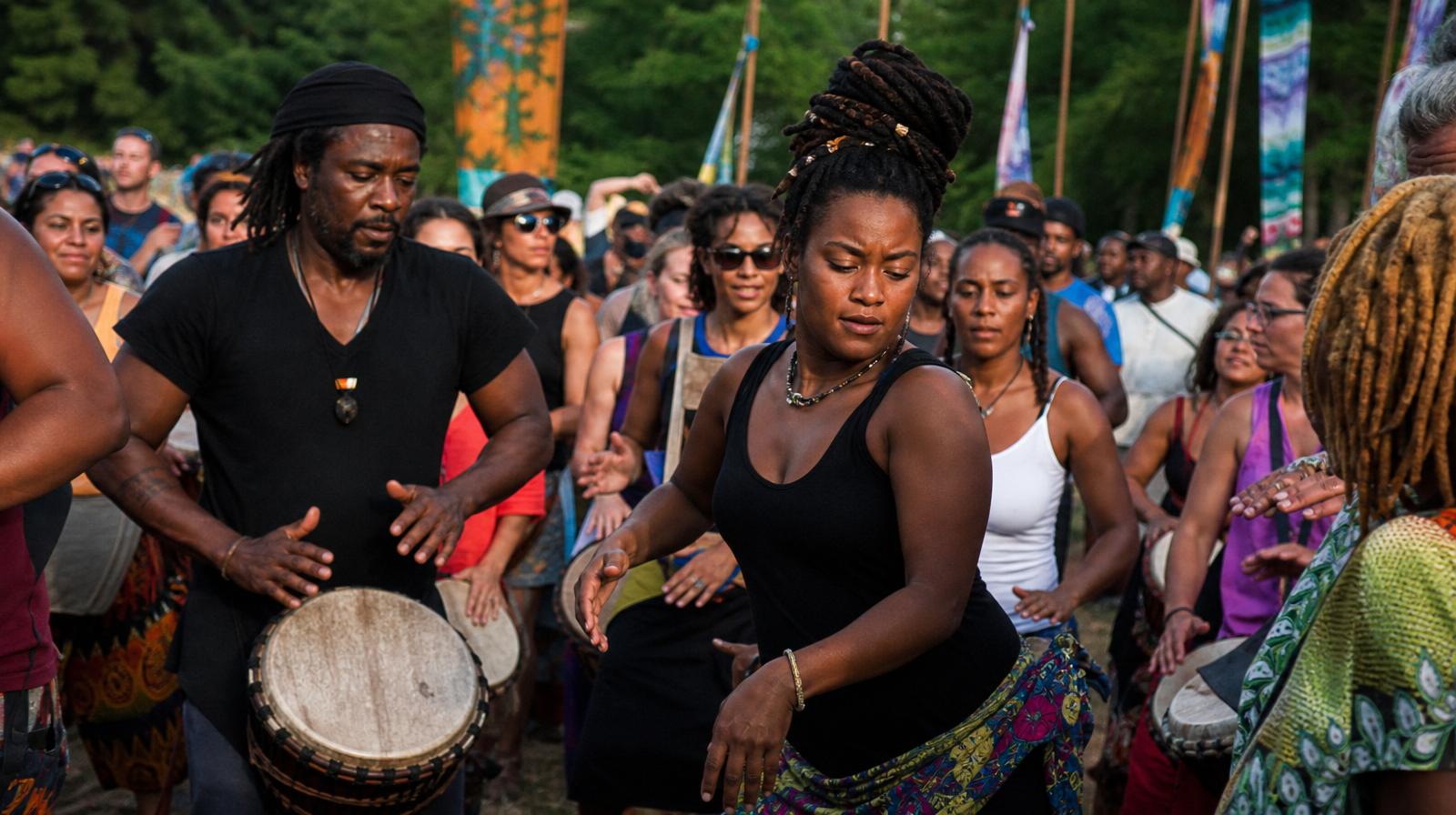
Walking into your first drum circle can feel like stepping into a vibrant, rhythmic conversation where everyone speaks a different language, yet everyone understands each other perfectly. If you have ever felt the urge to strike a drum but worried about "not having rhythm," you are in the right place.
A beginner drum circle is not a performance; it is a community gathering where the focus is on connection, expression, and the shared joy of making noise together. Whether it is a full-moon gathering on a beach or a structured workshop in a community center, the circle is a place of inclusion.
What Exactly is a Drum Circle?
At its core, a drum circle is a group of people sitting in a circle, playing hand drums and percussion instruments. Unlike a band, there is often no set music to follow. Instead, the rhythm emerges organically from the participants.
In many settings, you will find a facilitator—a guide who helps the group start, stop, and transition between rhythms. Their job is to ensure that even those attending their very first beginner drum circle feel supported. They might use call-and-response techniques or simple hand signals to shape the sound. In other cases, the circle is "free-form," where the beat evolves naturally based on the energy of the room.
Essential Instruments for Beginners
While many community circles provide extra instruments, knowing what you are playing helps you feel more confident. Here are the most common instruments you will encounter:
- Djembe: The most popular drum in circles. This goblet-shaped West African drum offers three distinct sounds: the deep bass (center), the mid-tone (edge), and the sharp slap (rim).
- Congas: Tall, narrow drums from Cuba played in pairs or trios, known for their warm, melodic tones.
- Doumbek: A goblet drum from the Middle East, often made of ceramic or metal, capable of very fast, crisp rhythms.
- Frame Drums: Large, shallow drums like the Irish bodhrán or the Native American hoop drum, often played with a mallet or fingers.
- Dunun: Large cylindrical drums played with sticks that provide the steady heartbeat or "low end" of the rhythm.
- Auxiliary Percussion: If you aren't ready to drum, grab a shaker, a cowbell, or a tambourine. These are vital for keeping the pulse steady.
If you want to master a specific instrument before diving in, consider connecting with drum teachers who can give you a solid foundation in technique.
Understanding Drum Circle Etiquette
Every community has its unwritten rules. Following basic etiquette ensures that everyone has a good time and the music stays cohesive.
- Listen More Than You Play: This is the golden rule. Before you start pounding, listen to the existing beat. Try to find a small gap where your sound fits without drowning out others.
- Support the Pulse: The "pulse" is the heartbeat of the circle. While it is tempting to play complex solos, the circle thrives when beginners hold down a steady, simple beat.
- Respect the Instruments: Never play someone else's drum without asking. Many hand drums are handmade and deeply personal to their owners.
- Watch the Facilitator: If there is a leader in the center, keep an eye on them. They will signal when to get louder, quieter, or when to stop for a "rumble" (a chaotic, fast roll to end a song).
- Leave Your Ego at the Door: A drum circle is about "we," not "me." It is a collaborative effort to create a groove.
Overcoming the "No Rhythm" Myth
Many people hesitate to join a beginner drum circle because they believe they are uncoordinated. The truth is, if you have a heartbeat, you have rhythm.
In a group setting, something magical called "entrainment" happens. Your internal clock naturally begins to sync with the people around you. Even if you lose the beat, the collective sound of twenty other drummers will pull you back in. The best way to learn is through immersion. If you find yourself truly struggling, looking into drum schools can provide a structured environment to build your confidence.
The Health Benefits of Group Drumming
Drumming is more than just fun; it is scientifically proven to be good for you. Participating in a beginner drum circle can:
- Reduce Stress: The physical act of drumming releases endorphins and can lower cortisol levels.
- Boost the Immune System: Studies have shown that group drumming increases the activity of cancer-seeking "natural killer cells."
- Foster Connection: In an increasingly digital world, the face-to-face connection of a circle combats loneliness and builds a sense of belonging.
- Improve Focus: Drumming requires a unique form of "mindfulness" where you are fully present in the moment.
Finding Your First Circle
Ready to take the plunge? There are several types of gatherings you might find. Family-friendly circles are great for all ages and usually have a very relaxed vibe. Full-moon gatherings are often more spiritual and free-form. Facilitated workshops are best for those who want to learn specific techniques while they play.
If you are looking for a deeper experience, many people progress from local circles to drumming retreats, where you can spend several days immersed in rhythm and nature. You can also check our updated list of events to see if there is a festival or intensive workshop happening near you.
No matter where you start, remember that every master drummer was once a beginner. The circle is waiting for your unique voice.
Find a drum circle near you and start your rhythmic journey today.
Frequently asked
- Do I need to bring my own drum to a beginner drum circle?
- Not necessarily. Many community drum circles have a 'community pot' of extra shakers, bells, and drums for newcomers to use. However, it is always a good idea to check the event description or arrive early to see if extras are available.
- What should I wear to a drum circle?
- Comfort is key. Choose loose-fitting clothing that allows you to sit comfortably for long periods. Avoid wearing large rings, bracelets, or watches, as these can damage the drum head and hurt your hands while playing.
- Is a drum circle the same as a drum lesson?
- Generally, no. A drum circle is a social, improvisational event focused on community play. While you will naturally learn by watching others, a drum lesson is a structured environment focused on specific techniques and rhythms taught by an instructor.
Find a drum circle near you
Browse hundreds of circles, teachers and rhythm community gatherings.
Explore drum circles