
Beginner Drum Circle Instruments: A Guide to Getting Started
Discover the best beginner drum circle instruments, from djembes to shakers, and learn how to choose the right rhythm tool for your first gathering.
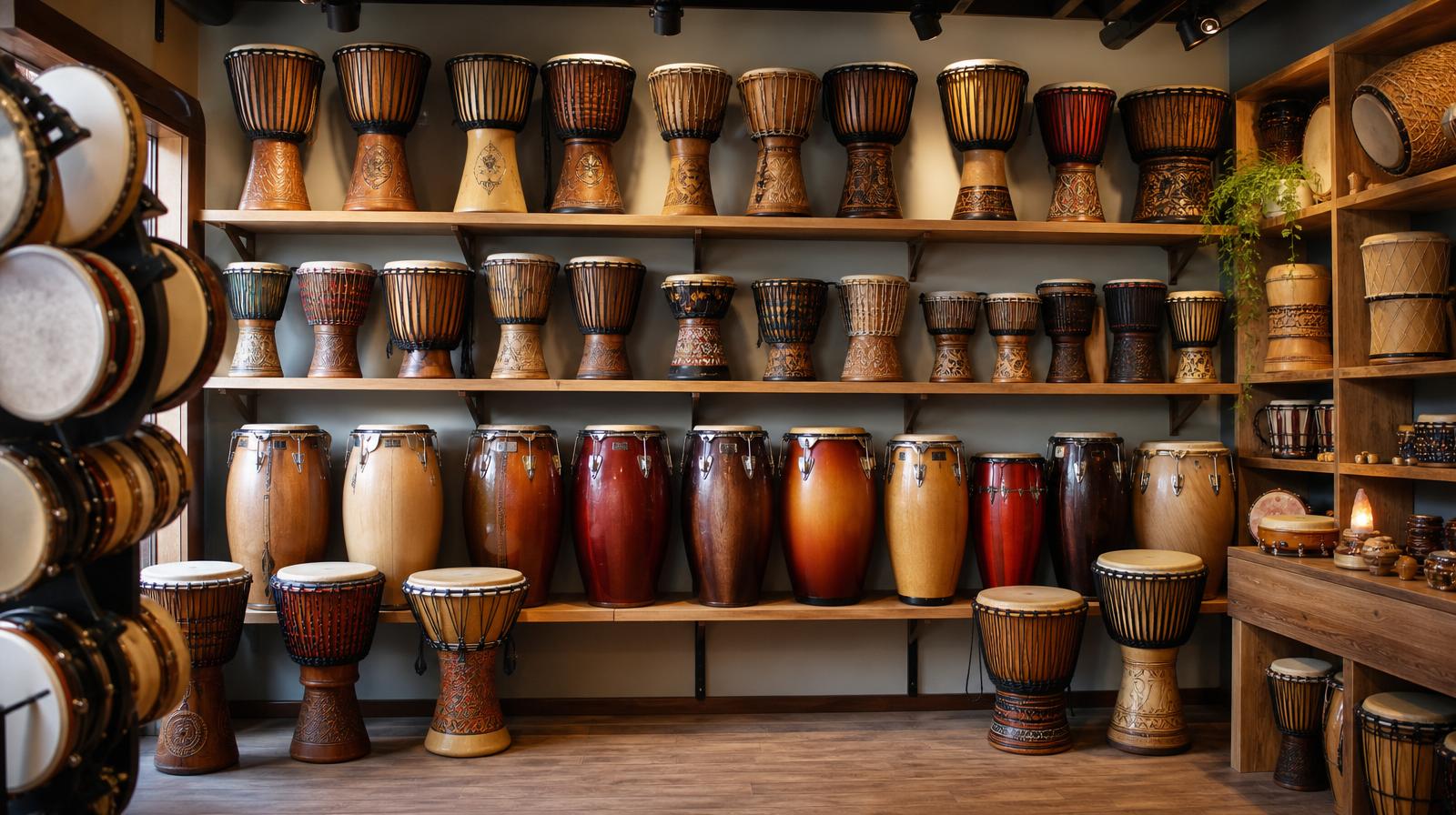
Walking into your first drum circle is a transformative experience. The air vibrates with a collective pulse, and the faces around you are lit with a shared joy that transcends language. But for many newcomers, the initial excitement is often followed by a practical question: "What should I bring to play?"
Choosing from the vast array of beginner drum circle instruments doesn't have to be intimidating. Whether you are looking for a deep, resonant bass or a light, shimmering accent, there is a rhythm tool that fits your personality and physical comfort. This guide will walk you through the most popular options, helping you find your voice in the community groove.
The Djembe: The Heart of the Circle
If there is one instrument that defines the modern drum circle, it is the djembe. Originating from West Africa, this goblet-shaped drum is beloved for its versatility. A single djembe can produce three distinct sounds: the deep, booming bass (hit in the center), the mid-range tone (hit on the edge with fingers together), and the sharp, cracking slap (hit on the edge with fingers relaxed).
For beginners, a 10-inch or 12-inch synthetic djembe is often the best starting point. Unlike traditional goat-skin drums, synthetic heads stay in tune regardless of humidity or temperature changes. They are lightweight, durable, and come in various sizes to fit different body types. When you play a djembe, you aren't just hitting a drum; you are participating in a tradition of drumming events that have brought people together for centuries.
Frame Drums and Shamanic Drums
If you prefer a more portable and melodic approach, the frame drum is an excellent choice. These drums consist of a shallow wooden hoop with a skin stretched over one side. They are among the oldest instruments in the world and are found in cultures ranging from the Middle East to Native American traditions.
Frame drums are played with the fingers or a soft mallet. They produce a warm, earthy resonance that is perfect for meditative circles or full-moon gatherings. Because they are held in one hand or rested on the lap, they are less physically demanding than larger drums, making them ideal for those who want to focus on subtle rhythms and internal reflection.
The Joy of Hand Percussion: Shakers and Tambourines
Not everyone in a drum circle needs to play a large drum. In fact, hand percussion instruments like shakers, maracas, and tambourines are the "glue" that holds the rhythm together. These instruments provide the high-frequency shimmer that cuts through the heavy bass of the larger drums.
- Egg Shakers: Small, inexpensive, and easy to fit in a pocket. They are perfect for beginners who are still finding their internal metronome.
- Claves: Two wooden sticks that, when struck together, produce a bright, clicking sound. They are essential for keeping the "pulse" of the group.
- Tambourines: Whether headed or headless, these add a celebratory jingle to the mix.
Adding these textures allows you to participate without the pressure of leading a beat. If you find yourself struggling to keep up, simply switching to a shaker can help you lock back into the collective flow.
Congas and Bongos: The Afro-Cuban Influence
For those who enjoy a more melodic, pitched drumming style, Afro-Cuban instruments like congas and bongos are fantastic beginner drum circle instruments. Congas are tall, narrow drums played with the palms and fingers. They offer a rich, "fat" sound that adds a sophisticated layer to any jam.
Bongos, which are a pair of small joined drums, are played between the knees. They provide high-pitched accents and are great for practicing rapid-fire finger techniques. If you find yourself drawn to these instruments, seeking out drum teachers can help you master the specific hand positions required to get the best sound without straining your wrists.
Doumbeks and Darbukas
If you are attracted to intricate, rapid rhythms, you might consider the doumbek or darbuka. These are goblet-shaped drums from the Middle East and North Africa. Typically made of ceramic or metal with a synthetic head, they produce a very crisp, metallic sound.
Doumbeks are known for their "Doum" (bass) and "Tek" (high) sounds. While they can be played loudly, they are often used for more nuanced, decorative playing. They are smaller than djembes, making them a favorite for travelers attending drumming retreats where luggage space is at a premium.
Understanding Drum Circle Etiquette
Once you have selected your instrument, it’s important to understand how to use it within the group. The goal of a drum circle is not to show off, but to contribute to a unified sound. Here are a few tips for beginners:
- Listen as much as you play: Before you start drumming, listen to the established beat for a minute.
- Support the bass: The larger drums (like the dunun or big djembes) provide the foundation. Try to align your hits with their pulse.
- Leave space: You don't have to play on every beat. Silence is a part of music, too.
- Follow the facilitator: Many circles have a leader who uses hand signals to change the tempo or volume. Keep an eye on them for guidance.
If you want to dive deeper into the technical side of these instruments, many drum schools offer introductory classes specifically for community drumming styles.
Finding Your Rhythm
Ultimately, the best beginner drum circle instrument is the one that speaks to you. Don't feel pressured to buy the most expensive professional gear right away. Many circles have "community bins" filled with extra percussion that you can try out before making a purchase. The most important thing is showing up with an open heart and a willingness to listen.
Find a drum circle near you and start your rhythmic journey today.
Frequently asked
- What is the easiest drum for a total beginner to learn?
- The djembe is widely considered the easiest drum for beginners because it is intuitive and offers three distinct sounds based on where you hit the head. Its synthetic versions are also very low-maintenance and durable for outdoor use.
- Do I need to bring my own instrument to a drum circle?
- While many regular participants bring their own, many public drum circles provide 'loaner' instruments or have a basket of shakers and small percussion for newcomers to use. It is always a good idea to check the event description on the Drum Circle Directory beforehand.
- Should I get a wood or synthetic drum?
- For beginners, synthetic drums (like those made by Remo or Meinl) are often better because they are lighter and their heads do not go out of tune with weather changes. Wood drums with animal skins offer a more traditional sound but require more care and tuning knowledge.
Find a drum circle near you
Browse hundreds of circles, teachers and rhythm community gatherings.
Explore drum circles