Beginner Drum Classes: How to Start Your Rhythm Journey
Discover the joy of hand drumming with our comprehensive guide to finding the right beginner drum classes and mastering basic techniques.
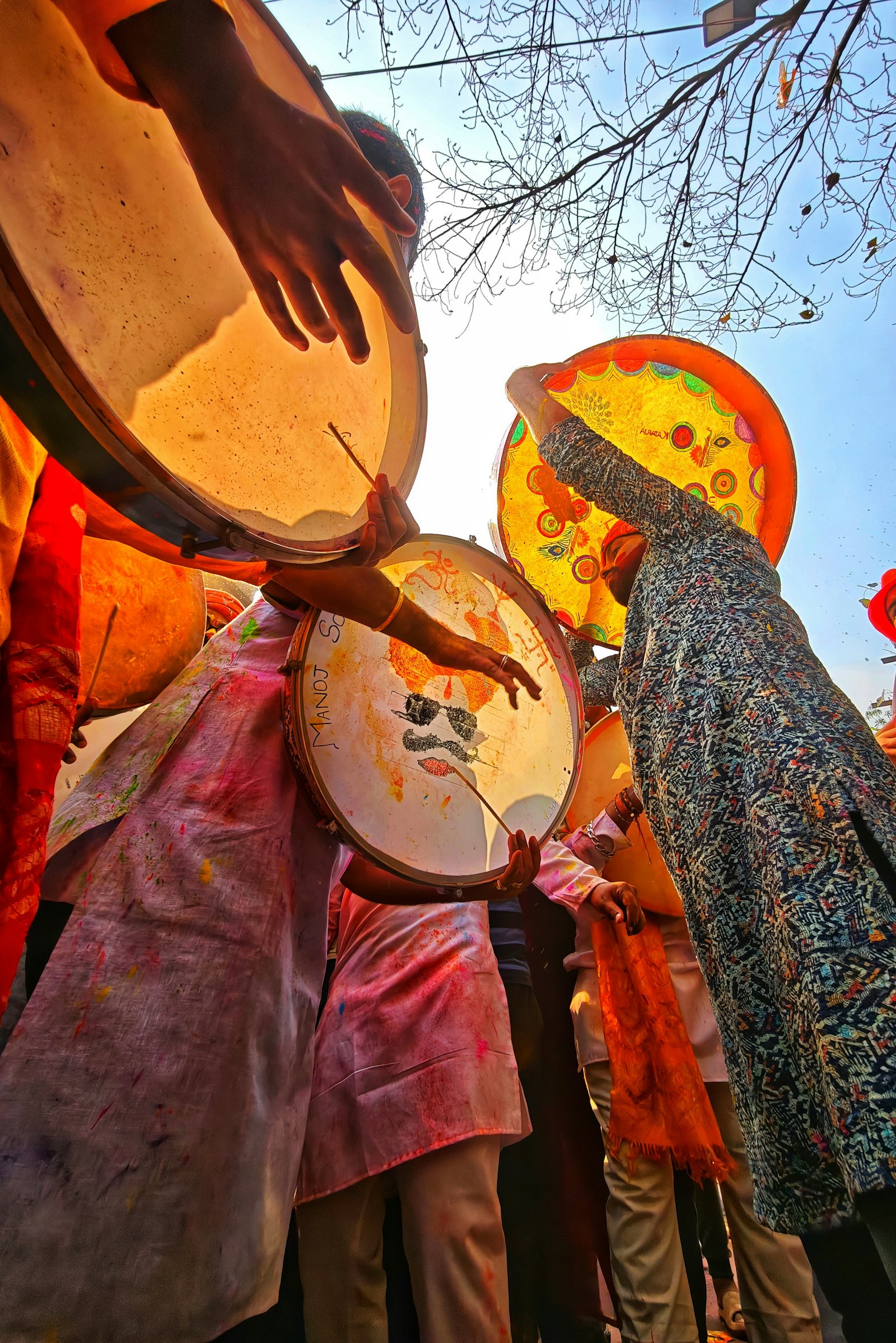
There is a primal, undeniable pull to the sound of a drum. Whether you’ve felt the vibration of a djembe at a local festival or watched a circle of drummers locked in a trance-like groove at a park, you’ve likely felt that spark of curiosity. You don’t need to be a professional musician to tap into this power. Beginner drum classes are the gateway to a lifelong practice of rhythm, community, and personal expression.
Starting your journey in hand drumming is about more than just hitting a surface; it is about learning a new language. From the deep bass of a West African djembe to the intricate finger-tapping of a Middle Eastern doumbek, the world of percussion is vast and welcoming. This guide will help you navigate your first steps into the rhythmic arts.
Why Join a Beginner Drum Class?
Many people hesitate to start drumming because they believe they "don't have rhythm." The truth is that rhythm is a skill that can be cultivated. Joining a structured class offers several benefits that self-teaching cannot provide:
- Proper Technique: Learning the correct way to strike the drum prevents hand fatigue and long-term injury.
- Community Connection: Drumming is inherently social. You will meet people from all walks of life who share your interest.
- Stress Relief: The physical act of drumming releases endorphins and helps ground the mind in the present moment.
- Cultural Appreciation: Most hand drums have deep historical roots. A good teacher will share the stories and traditions behind the instruments.
Choosing Your Primary Instrument
Before you sign up for beginner drum classes, it helps to know which instrument resonates with you. While many skills are transferable, each drum has its own "vocabulary."
The Djembe
Perhaps the most popular choice for beginners, the djembe is a goblet-shaped drum from West Africa. It is known for its wide range of tones—from deep, resonant basses to sharp, cracking slaps. It is the heart of most community drum circles.
Congas and Bongos
If you are drawn to Afro-Cuban rhythms, congas are an excellent starting point. They require a specific palm-and-finger technique that produces a warm, melodic sound. Bongos are their smaller, higher-pitched cousins, often played held between the knees.
Frame Drums
One of the oldest instruments in the world, the frame drum (like the tar or bodhrán) is played with the fingers while held in the lap or against the chest. It is a favorite for those interested in meditative or spiritual drumming practices.
What to Expect in Your First Lesson
Your first beginner drum class is usually a mixture of excitement and a little bit of "rhythm nerves." Don't worry—everyone in the room is in the same boat. A typical session usually follows a specific flow:
- The Warm-Up: You’ll start with simple hand exercises to get the blood flowing and loosen up the wrists.
- Basic Strokes: You will learn the three foundational sounds: the Bass (center of the drum), the Tone (the edge with fingers together), and the Slap (the edge with a relaxed hand).
- Call-and-Response: The teacher will play a short phrase, and the class will echo it back. This builds listening skills and rhythmic memory.
- The Groove: By the end of the class, the group will usually hold a simple, repetitive pattern together, allowing you to feel the "pulse" of the collective.
Finding the Right Teacher or School
Not all drum classes are created equal. Some focus strictly on technical proficiency, while others emphasize the therapeutic or communal aspects of rhythm. When searching for drum teachers, consider what you want to achieve.
Ask yourself: Do I want to learn traditional West African polyrhythms? Am I more interested in joining a casual local drum circle? Or am I looking for a deep-dive drumming retreat to accelerate my learning? Checking the credentials and teaching style of an instructor ensures you find a match that keeps you motivated.
Essential Beginner Drumming Etiquette
As you begin attending classes and eventually public gatherings, there are a few unwritten rules—often called "drum circle etiquette"—that help the music flow smoothly:
- Listen more than you play: Pay attention to the pulse established by the teacher or the lead drummer.
- Leave space: You don't have to play on every beat. Silence is a part of music.
- Support the bass: If you’re unsure what to play, stick to the basic heartbeat of the rhythm.
- Ask before playing someone else's drum: Instruments are often deeply personal and expensive; always seek permission.
Overcoming the "I Have No Rhythm" Myth
If you can walk, you have rhythm. If your heart is beating, you have rhythm. Beginner drum classes are designed to take that internal pulse and manifest it externally. The most common hurdle for beginners isn't a lack of talent; it's overthinking.
In a classroom setting, you’ll learn to stop "counting" and start "feeling." Through repetition and the support of a group, the patterns eventually move from your head to your hands. Once the muscle memory kicks in, the real magic of drumming begins.
Taking the Next Step
Ready to find your beat? The global drumming community is waiting for you with open arms. Whether you choose a formal school or a relaxed community center, the act of picking up a drum is a transformative experience.
Explore our directory to find upcoming events and classes in your area. There is no better time than now to start your rhythmic journey.
Frequently asked
- Do I need to own a drum to start beginner drum classes?
- Most instructors and schools provide drums for students to use during their first few lessons. It is often better to wait until you have learned the basics before purchasing your own instrument so you know which size and style suits you best.
- How long does it take to learn the basics of hand drumming?
- Most students can pick up the three basic strokes—bass, tone, and slap—in a single session. However, it typically takes 4 to 8 weeks of consistent weekly classes to feel comfortable holding a steady groove with a group.
- What is the best age to start drum classes?
- Drumming is accessible to all ages! Many schools offer family-friendly circles for children as young as five, while many seniors find hand drumming to be an excellent way to maintain cognitive health and motor skills.
Find a drum circle near you
Browse hundreds of circles, teachers and rhythm community gatherings.
Explore drum circles