Beginner Drum Lessons: Find Your Rhythm and Master the Hand
Ready to find your rhythm? Discover why hand drum lessons are the perfect gateway to musical expression, community connection, and personal growth.
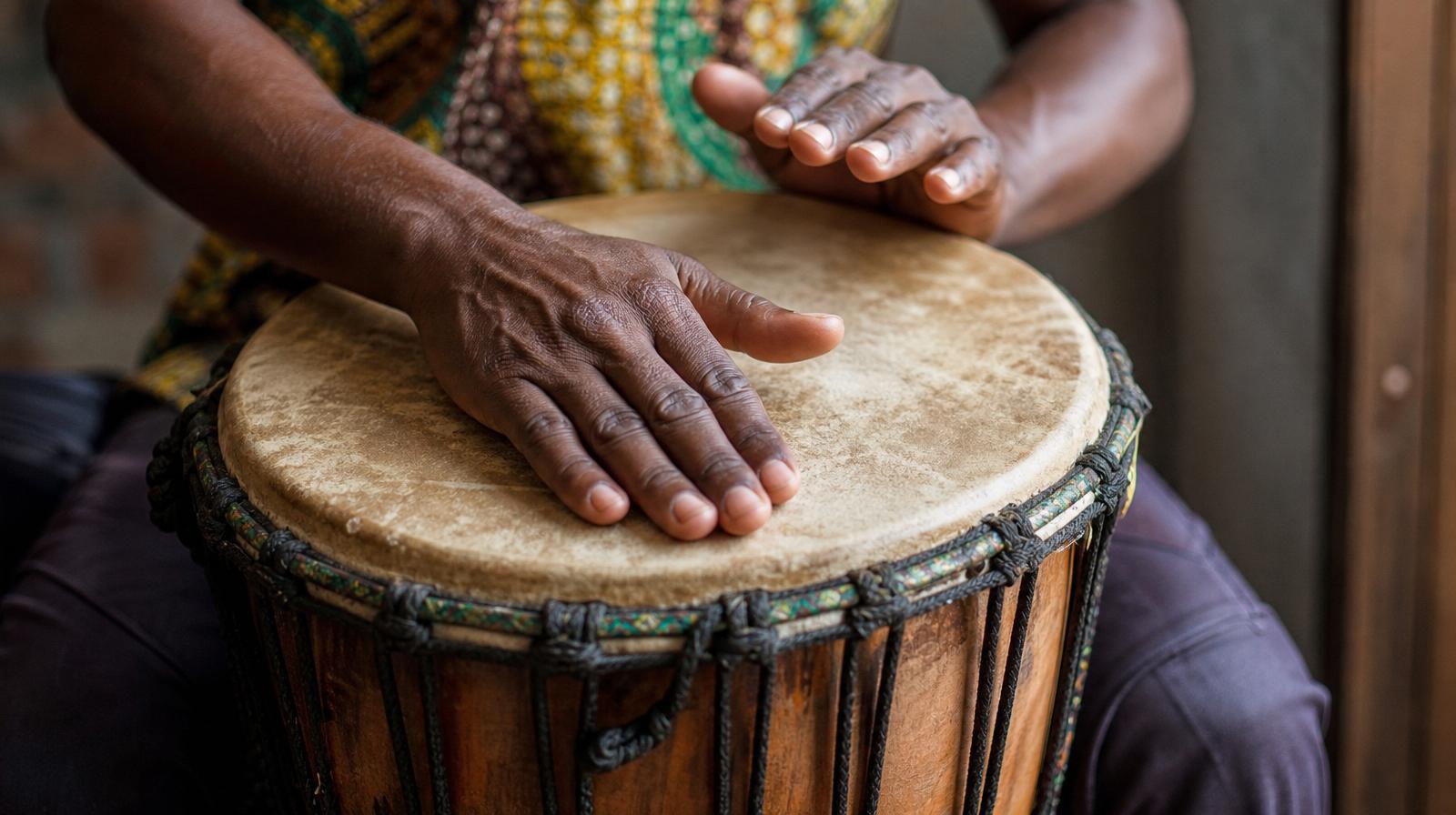
There is something primal and deeply satisfying about placing your hands on a drum head and creating a sound that resonates in your chest. Whether you are drawn to the thunderous bass of a djembe, the melodic complexity of a tabla, or the steady, heartbeat-like pulse of a frame drum, taking drum lessons is the first step toward unlocking a lifetime of musical joy.
In this guide, we will explore everything you need to know about starting your journey, from choosing the right instrument to finding a teacher who resonates with your learning style.
Why Start Your Journey with Hand Drum Lessons?
Many people think they lack 'rhythm,' but the truth is that rhythm is a skill that can be cultivated. Drum lessons provide the structure needed to translate that internal heartbeat into outward expression. Unlike the kit drumming often seen in rock bands, hand drumming focuses on the direct connection between your body and the instrument.
Taking formal lessons helps you:
- Develop Proper Technique: Prevent wrist and hand strain by learning the correct way to strike the skin.
- Understand Global Rhythms: Explore the cultural heritage of West African, Afro-Cuban, and Middle Eastern traditions.
- Build Confidence: Transition from playing alone in your living room to joining a vibrant community gathering.
Choosing Your First Instrument
Before you book your first session, you might wonder which drum is right for you. While many drum schools provide instruments for beginners, having your own drum allows for daily practice.
- The Djembe: Perhaps the most popular choice for beginners. This goblet-shaped drum from West Africa offers three distinct sounds: the deep bass, the mid-range tone, and the sharp slap.
- Congas: Essential for Latin and Afro-Cuban music. Lessons usually start with the 'tumbadora' and focus on the 'heel-toe' technique.
- The Doumbek: A goblet drum from the Middle East, known for its crisp, metallic 'doum' and 'tek' sounds. It’s perfect for those interested in intricate, fast-paced finger work.
- Frame Drums: One of the oldest drum types in the world, played with the fingers and palms. It is highly portable and spiritually resonant.
What to Expect in Your First Lesson
Your first few drum lessons will likely focus on 'the three pillars': posture, tone, and timing. A good instructor will ensure you are sitting comfortably—usually with your back straight and the drum tilted slightly away from you to allow the sound to escape the bottom.
Expect to spend time practicing 'call-and-response' exercises. This is a traditional way of learning where the teacher plays a short rhythm and you mimic it. It trains your ears as much as your hands. You will also learn about the 'pulse' and how to stay consistent without speeding up—a common challenge for every new drummer.
Private Lessons vs. Group Classes
Deciding between private instruction and group classes depends on your goals.
Private Lessons: These offer personalized attention. If you have specific technical hurdles or want to progress quickly, finding local drum teachers for one-on-one sessions is ideal. The curriculum is tailored entirely to your pace.
Group Classes: Drumming is inherently social. Group lessons allow you to learn how your part fits into a larger polyrhythmic structure. You’ll meet fellow enthusiasts and build the social connections that often lead to forming your own circles or ensembles.
The Path from Student to Community Member
One of the most rewarding aspects of taking drum lessons is the eventual transition into the community scene. Once you have mastered basic tones and a few foundational rhythms, you can confidently participate in local events and drum circles.
In a circle, the focus shifts from technical perfection to communal harmony. The lessons you take provide the 'vocabulary' you need to 'speak' during a rhythmic jam. You'll learn when to hold down a steady beat and when it’s appropriate to contribute a solo or a flourish.
Overcoming the Beginner's Plateau
Every student hits a wall eventually. Maybe your 'slaps' don't sound crisp enough, or your non-dominant hand feels sluggish. This is where professional guidance is invaluable. A teacher can spot minor adjustments in your hand angle or tension levels that you might miss on your own.
To stay motivated:
- Listen to the masters: Immerse yourself in the music of Babatunde Olatunji or Mamady Keïta.
- Practice in short bursts: 15 minutes a day is better than two hours once a week.
- Record yourself: It’s often easier to hear rhythmic inconsistencies when you aren't focused on the physical act of playing.
Finding the Right Teacher for You
Not every great drummer is a great teacher. When searching for drum lessons, look for someone who understands the specific genre you are interested in. If you want to play at full-moon gatherings, a teacher with experience in community facilitation might be better than a strictly orchestral percussionist.
Check our directory to find drumming retreats where you can undergo intensive study in a beautiful, immersive environment. These retreats often combine lessons with wellness practices, helping you connect with the drum on a deeper, more spiritual level.
Find a drum circle near you by visiting our drum circles map.
Frequently asked
- Do I need to own a drum before starting lessons?
- Not necessarily. Many teachers and schools offer 'loaner' drums for your first few sessions. However, having your own djembe or conga at home will significantly speed up your progress by allowing for consistent daily practice.
- How long does it take to learn hand drumming?
- While you can learn basic sounds and a simple rhythm in your very first lesson, mastery is a lifelong journey. Most students feel confident enough to join a community drum circle after 3 to 6 months of regular weekly lessons and practice.
- Are drum lessons physically demanding?
- Hand drumming is a physical activity, but it shouldn't be painful. Proper lessons teach you how to use relaxation and gravity rather than brute force. Drumming is also known to improve cardiovascular health and reduce stress levels.
Find a drum circle near you
Browse hundreds of circles, teachers and rhythm community gatherings.
Explore drum circles