Choosing Your First Beginner Hand Drum: A Complete Guide
Discover the perfect beginner hand drum to start your rhythmic journey, from the versatile djembe to the melodic frame drum.
Stepping into the world of rhythm is a transformative experience. Whether you were drawn in by the thunderous pulse of a full-moon gathering or the intricate patterns of a street performer, picking up your first beginner hand drum is the first step toward finding your own voice in the global beat.
At Drum Circle Directory, we believe everyone has a heartbeat, which means everyone has rhythm. But with so many shapes, sizes, and traditions to choose from, finding the right instrument can feel overwhelming. This guide will walk you through the most popular options, how to choose the right fit for your hands, and how to start playing with confidence.
Why the Djembe is the Ultimate Beginner Hand Drum
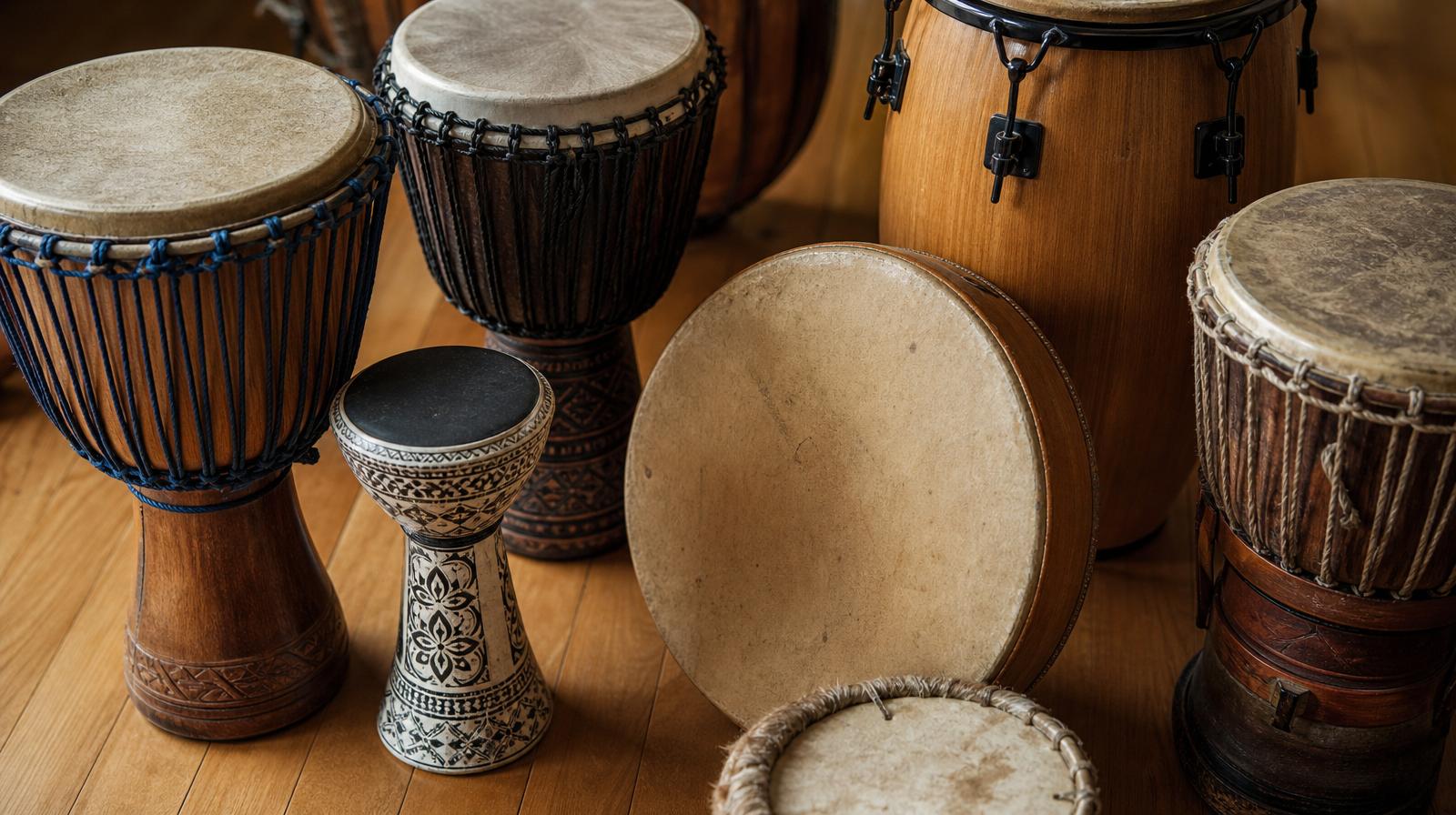
If you walk into any community drum circle, the djembe is likely the instrument you will see most often. Originating from West Africa, the djembe (pronounced JEM-bay) is prized for its versatility. It is capable of producing three distinct sounds: the deep, resonant bass; the clear, melodic tone; and the sharp, cracking slap.
For a beginner, the djembe is forgiving. Its goblet shape allows you to sit comfortably with the drum between your knees. When looking for a djembe, consider these factors:
- Size: A 10-inch to 12-inch head diameter is usually perfect for most adults.
- Material: Traditional goatskin and wood offer an authentic sound, while synthetic heads and PVC shells are more durable for outdoor use and easier to tune.
- Weight: If you plan on traveling to local events, a lightweight synthetic djembe might be your best friend.
Exploring the Frame Drum and Tambourine
Not every beginner hand drum needs to be large or loud. The frame drum is one of the world's oldest instruments, found in various forms across the Middle East, North Africa, and Europe. These drums consist of a skin stretched over a shallow wooden hoop.
Frame drums are excellent for those who prefer a more meditative or portable experience. They are often played with the fingers rather than the full palm, allowing for delicate, intricate rhythms. If you are interested in the spiritual or healing aspects of rhythm, a frame drum is a soulful choice that fits easily into a backpack for a hike or a quiet park session.
The Rhythms of the Caribbean: Congas and Bongos
If you are drawn to Latin jazz, salsa, or rumba, you might find your match in the conga or bongos.
Congas are tall, narrow drums that provide a rich, warm sound. While professionals often play a set of three (quinto, conga, and tumba), a beginner can start with a single drum. Bongos, on the other hand, are a pair of small drums joined together. They are played while seated, held between the knees, and offer high-pitched, energetic accents that cut through the sound of a larger group.
How to Test a Drum Before You Buy
Before you commit to your first instrument, it is vital to feel the connection physically. If possible, visit a local music shop or attend a gathering to try different styles. Here is what to look for:
- Comfort: Does the drum feel too heavy? Does the rim hurt your hands when you strike it?
- Vibration: When you hit the bass note, do you feel the vibration in your chest? A good drum should feel alive.
- Condition: Check for cracks in the wood or tears in the skin. On a rope-tuned drum, ensure the vertical ropes are tight.
If you aren't sure where to start, many drum teachers offer introductory lessons where they provide the instruments, allowing you to "test drive" several types before buying your own.
Essential Beginner Etiquette for Drum Circles
Once you have your beginner hand drum, you’ll likely want to find a community to play with. Drum circles are inclusive spaces, but following a few basic rules of etiquette will help you feel more comfortable:
- Listen more than you play: When you first join, listen to the established groove. Try to lock in with the bass drums (like the dununs or the low notes of the djembes).
- Support the heartbeat: Avoid the urge to play as fast or as loud as possible. The goal is to support the collective sound.
- Ask before playing someone else's drum: Drummers can be very protective of their instruments. Always ask permission before trying out a neighbor's gear.
- Follow the facilitator: If there is a leader in the center, they may use hand signals to indicate volume changes or a "heartbeat" stop. Pay attention to their cues.
Taking Your Skills to the Next Level
Buying the drum is just the beginning. To truly enjoy the experience, consider enrolling in one of the many drum schools available globally. Learning proper technique—such as how to strike the drum without straining your wrists—will prevent injury and help you produce a much better tone.
For those who want a deeper immersion, drumming retreats offer a chance to spend several days focusing on rhythm, often in beautiful natural settings. These retreats are fantastic for moving past the beginner stage and connecting with the global drumming family.
Final Thoughts on Starting Your Journey
Your first beginner hand drum is more than just a piece of percussion; it is a tool for expression, stress relief, and community building. Whether you choose the powerful djembe, the sharp doumbek, or the gentle frame drum, the most important thing is to play from the heart.
Ready to start your rhythmic journey? Find a drum circle near you and join the beat today!
Frequently asked
- What is the easiest hand drum to learn for a total beginner?
- The djembe is widely considered the easiest drum for beginners because it has a large striking surface and produces three very distinct sounds that are easy to distinguish. Its ergonomic shape also makes it comfortable to play for long periods.
- Do I need to know how to read music to play a hand drum?
- No, most hand drumming traditions are taught through oral tradition and 'call-and-response' methods. While some schools use notation, most community drum circles rely on listening and feeling the pulse rather than reading sheet music.
- How much should I spend on my first beginner hand drum?
- A quality beginner djembe or frame drum typically costs between $100 and $250. While you can find cheaper 'tourist' drums, investing in a mid-range instrument ensures it will stay in tune and produce a sound that motivates you to keep practicing.
Find a drum circle near you
Browse hundreds of circles, teachers and rhythm community gatherings.
Explore drum circles