Beginner Hand Drumming Lessons: A Guide to Rhythms and
Discover the joy of rhythm with our comprehensive guide to beginner hand drumming lessons, covering essential techniques and finding your community.
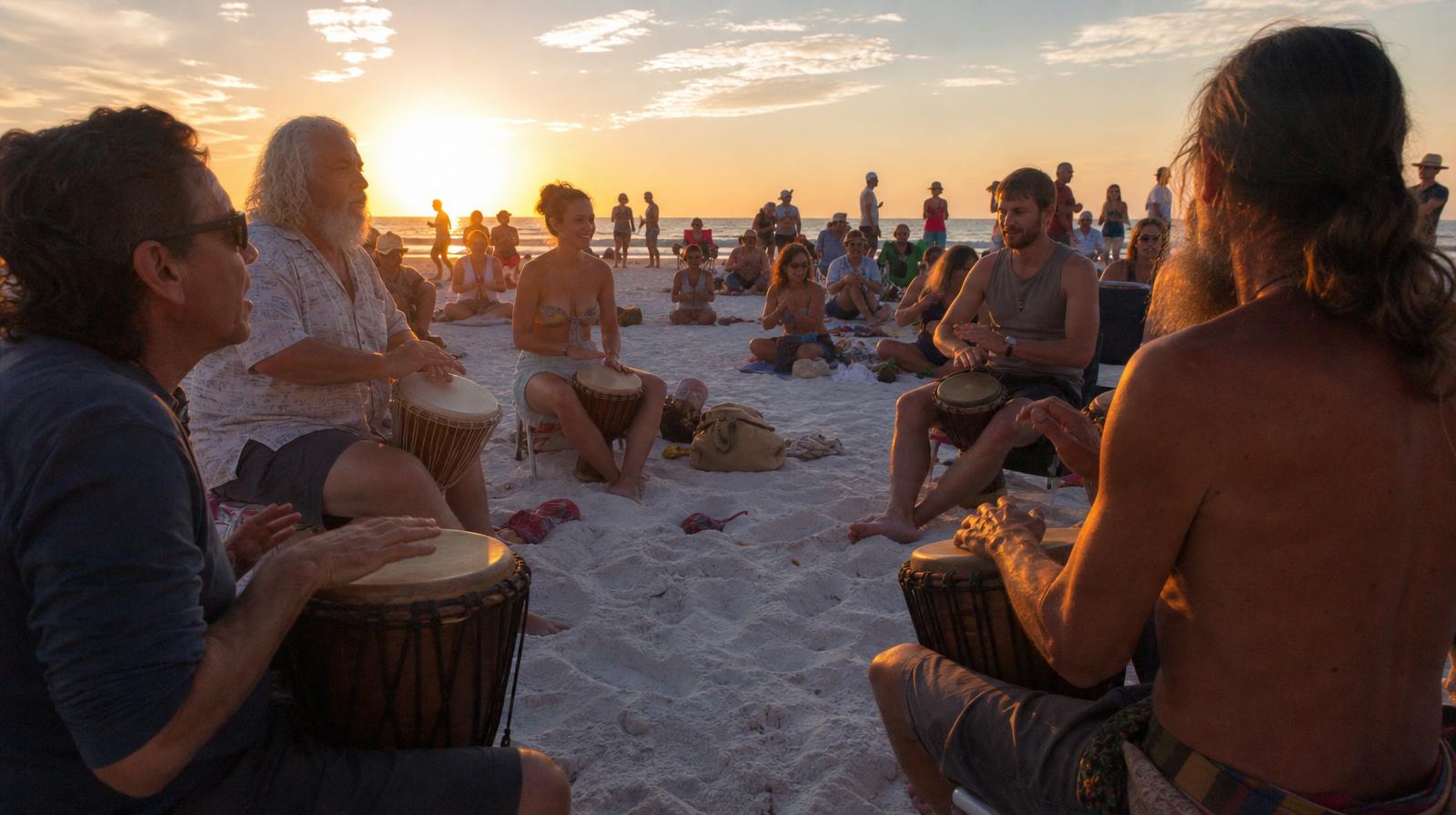
There is a primal magic that happens the moment your hands meet the skin of a drum. It is a language older than words, a heartbeat shared across cultures, and a gateway to profound personal expression. If you have been drawn to the resonant bass of a djembe or the intricate textures of a frame drum, you are standing at the threshold of a rewarding lifelong journey.
Finding the right beginner hand drumming lessons is about more than just hitting an instrument; it is about discovering your internal pulse and learning how to weave it into a collective tapestry of sound. Whether you want to play for personal meditation or join a vibrant community gathering, this guide will help you find your rhythm.
Choosing Your First Instrument
Before you dive into your first lesson, you need to decide which voice resonates with you. Hand drums come in countless shapes and sizes, each with its own history and technique.
- The Djembe: Perhaps the most popular drum for beginners, this goblet-shaped West African drum offers a wide range of sounds, from deep, booming bass to sharp, cracking slaps.
- The Congas: These tall, narrow Afro-Cuban drums are played in sets and require specific palm-to-finger techniques that are foundational for Latin rhythms.
- The Doumbek: A goblet drum from the Middle East, known for its crisp, metallic 'doum' and 'tek' sounds, often made of ceramic or aluminum.
- The Frame Drum: One of the world's oldest instruments, these are shallow drums often played with the fingers, perfect for those seeking a portable and meditative experience.
Many drum schools provide instruments for your first few classes, so do not feel pressured to buy one immediately. Experimenting with different drums will help you find the one that feels like an extension of your own hands.
The Three Basic Strokes
Most beginner hand drumming lessons start with the three foundational strokes. Mastering these is the key to making your drum 'sing' rather than just making noise.
- The Bass: Played by striking the center of the drum head with a flat, relaxed palm. The goal is a deep, resonant sound that vibrates through the body of the drum.
- The Tone: Struck near the edge of the drum (the bearing edge) with the fingers held together. This produces a clear, melodic pitch.
- The Slap: The most challenging stroke for beginners, the slap is played near the edge with a relaxed hand, allowing the fingertips to 'whip' against the skin for a high-pitched, percussive crack.
Consistency is more important than speed. When you practice, focus on the quality of the sound. Are your bass notes muffled? Is your slap too quiet? A skilled drum teacher can provide the real-time feedback necessary to correct your form before bad habits set in.
Understanding Rhythm and Timing
Music is organized time. In beginner hand drumming lessons, you will learn to count beats and understand 'the one'—the first beat of a measure that grounds the entire group.
You will likely start with simple 4/4 time signatures, practicing call-and-response patterns where the teacher plays a rhythm and the students mimic it. This ancient teaching method builds listening skills and helps you internalize the feel of the rhythm rather than just reading notes on a page.
The Importance of Proper Posture
Drumming is a physical activity. To play for long periods without fatigue or injury, posture is paramount.
- Sit tall: Keep your spine straight but not rigid.
- Relax your shoulders: Tension is the enemy of good tone. If your shoulders are hiked up to your ears, your sound will be thin.
- Drum Angle: If playing a djembe, tilt the drum away from you slightly and hold it between your knees. This allows the sound to escape from the bottom hole (the 'foot') of the drum.
Joining Your First Drum Circle
Once you have learned a few basic patterns, the best way to grow is to play with others. Drum circles are inclusive, community-driven events where people of all skill levels gather to improvise.
For a beginner, the experience can be intimidating, but most circles are incredibly welcoming. Look for 'family-friendly' or 'facilitated' circles, where a leader helps guide the energy and ensures everyone stays on the beat. You can search for drum circles in your area to find a local group that fits your vibe.
Beyond the Basics: Finding Your Path
As you progress, you might find yourself drawn to specific traditions or healing modalities. Some drummers focus on the technical mastery of West African polyrhythms, involving the use of dununs (cylindrical drums played with sticks). Others may look toward drumming retreats to deepen their spiritual connection to the instrument in a focused, immersive environment.
No matter where your path leads, remember that drumming is a practice of presence. Every stroke is a chance to reset, breathe, and connect with the heartbeat of the world around you.
Find a drum circle near you and start your journey today.
Frequently asked
- Do I need to be 'musical' to start hand drumming lessons?
- Not at all. Rhythm is an innate human quality—if you have a heartbeat, you have rhythm. Beginner lessons are designed to help you find that natural pulse and express it through the drum, regardless of your past musical experience.
- How long does it take to learn the djembe?
- You can learn the basic strokes and participate in a drum circle after just one or two lessons. However, mastering the nuances of tone and complex polyrhythms is a lifelong practice that evolves as you play more frequently with others.
- Should I take private lessons or group classes?
- Group classes are excellent for beginners because they simulate the environment of a drum circle and allow you to hear how different parts fit together. Private lessons are better for focused technical work and correcting specific posture or striking issues.
Find a drum circle near you
Browse hundreds of circles, teachers and rhythm community gatherings.
Explore drum circles