Unlocking Rhythm: The Life-Changing Benefits of Drum Circles
Discover how the ancient practice of group drumming fosters community, reduces stress, and boosts physical health for people of all ages and skill levels.
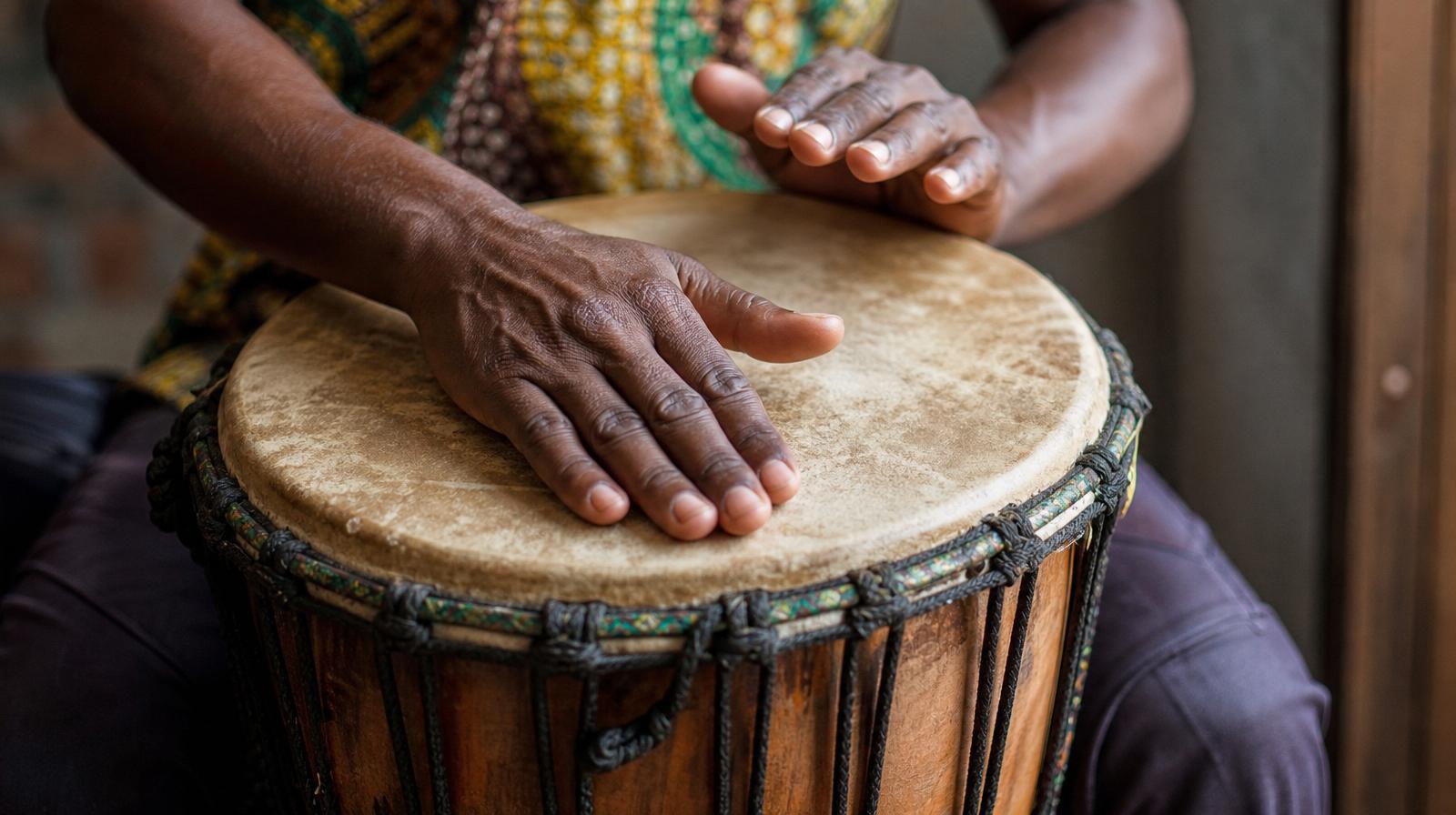
There is something primal and deeply resonant about the sound of a drum. For thousands of years, across nearly every culture on Earth, people have gathered in circles to strike skins, wood, and metal. Today, the modern drum circle movement is more than just a musical hobby; it is a profound tool for health, connection, and personal transformation.
Whether you are standing in a park with a djembe, sitting in a community center with a frame drum, or participating in a corporate team-building event using congas, the experience of shared rhythm offers rewards that go far beyond the music itself. In this guide, we explore the multifaceted benefits of drum circles and why you should consider joining the beat.
1. Physical Health and Physiological Harmony
One of the most immediate benefits of drum circles is the physical engagement. Drumming is a full-body workout that requires coordination between the hands, arms, and core. However, the benefits are more than skin-deep.
Research has shown that group drumming can significantly boost the immune system. A landmark study by Dr. Barry Bittman demonstrated that participating in a drum circle increases the activity of Natural Killer (NK) cells, which help the body fight off viruses and even cancer cells.
Additionally, the repetitive, rhythmic nature of drumming helps regulate the nervous system. As you sync your heartbeat to the pulse of the group, your blood pressure often stabilizes, and your body releases endorphins—the natural 'feel-good' chemicals that act as pain relievers.
2. Mental Health and Stress Reduction
In our fast-paced, digital world, stress is a constant companion for many. Drum circles offer a rare opportunity to achieve 'flow'—a state of total immersion in the present moment. When you are focused on a call-and-response pattern or maintaining a steady beat on a doumbek, there is no room for anxiety about the future or regrets about the past.
Drumming acts as a form of active meditation. Unlike silent meditation, which some find difficult to master, the auditory and tactile feedback of a drum provides a focal point that naturally quiets the 'monkey mind.' Many practitioners find that a single hour in a circle provides more mental clarity than a full day of rest.
3. Social Connection and Community Building
At its core, a drum circle is a democratic space. There is no hierarchy; everyone’s heartbeat is part of the collective sound. This makes it an incredible tool for breaking down social barriers. In a circle, people of different ages, backgrounds, and abilities come together to create something larger than themselves.
For those feeling isolated, finding a local rhythm community can be life-changing. It provides a sense of belonging and shared purpose. If you are looking to connect with others, exploring the drum circles in your area is a fantastic way to meet like-minded individuals who value creative expression.
4. Cognitive Enhancement and Brain Health
Drumming is a complex neurological task. It requires the left and right hemispheres of the brain to communicate rapidly. Studies suggest that this cross-hemispheric activity can improve cognitive function and may even help delay the onset of dementia and Alzheimer’s.
For younger participants, drumming improves focus, impulse control, and motor skills. Learning to hold a steady rhythm while listening to a polyrhythm played on a dunun requires intense auditory processing and multitasking, which strengthens the brain's neural pathways.
5. Emotional Release and Creative Expression
Sometimes, words aren't enough to express how we feel. Drumming provides a non-verbal outlet for emotions like anger, grief, or pure joy. The drum becomes a canvas for your internal state. You can pound out your frustrations or gently tap out a rhythm of peace.
In a facilitated drum circle, a leader might guide the group through emotional arcs—starting slowly, building to a thunderous crescendo, and fading back to a whisper. This journey allows for a safe, cathartic release that leaves participants feeling lighter and more emotionally balanced.
6. Spiritual Growth and Transcendence
Many cultures view the drum as a sacred instrument—a bridge between the physical and spiritual worlds. Full-moon gatherings and ceremonial circles use rhythm to induce altered states of consciousness or to honor the cycles of nature.
Even in a secular setting, the feeling of 'entrainment'—when the entire group syncs into a single, powerful pulse—can feel like a spiritual experience. It is a reminder of our interconnectedness with the universe and each other. For those looking to deepen this aspect of their practice, attending specialized drumming retreats can provide the space needed for profound inner work.
Getting Started with Your Rhythm Journey
You don't need to be a professional musician to reap these rewards. Most community circles are 'all-levels' and 'family-friendly.' If you feel intimidated, you might consider taking a few lessons from experienced drum teachers to learn basic techniques like the bass, tone, and slap strokes.
Whether you are looking for a way to improve your health, find new friends, or simply have fun on a Saturday afternoon, the drum circle is waiting for you. The benefits are as diverse as the rhythms themselves.
Find a drum circle near you and start your journey today.
Frequently asked
- Do I need to own a drum to join a drum circle?
- Not necessarily. Many community drum circles are 'facilitated,' meaning the organizer often brings a 'drum bank' of extra djembes, shakers, and bells for newcomers to use. However, it is always a good idea to check the event description or contact the host beforehand to ensure instruments are available.
- What if I have no musical talent or rhythm?
- Drum circles are inclusive environments where 'perfection' is never the goal. Everyone has a heartbeat, which means everyone has rhythm. Most circles focus on the collective groove rather than individual solos, allowing beginners to blend in and learn by listening to the pulse of the group.
- Are drum circles suitable for children and seniors?
- Yes, drum circles are one of the most multi-generational activities available. Children benefit from the sensory input and social cooperation, while seniors benefit from the physical movement and cognitive stimulation. Look for circles labeled 'family-friendly' or 'intergenerational' for the best experience.
Find a drum circle near you
Browse hundreds of circles, teachers and rhythm community gatherings.
Explore drum circles