
Best Djembe for Beginners: A Guide to Your First Drum
Choosing your first drum is a rite of passage. Learn how to find the best djembe for beginners that offers great tone, durability, and a connection to the rhythm community.
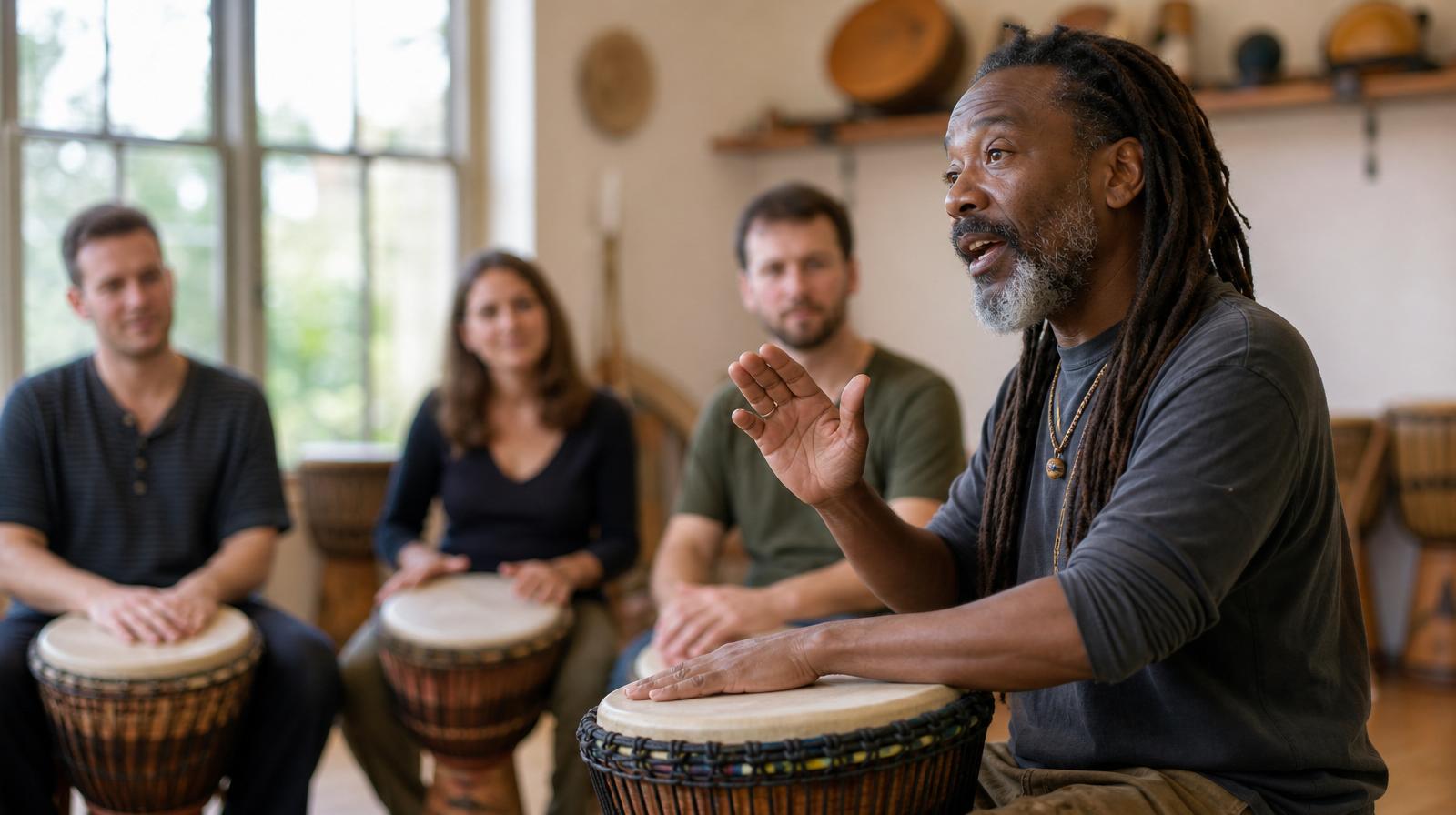
Stepping into your first drum circle is an exhilarating experience. The air vibrates with the collective pulse of djembe, dunun, and congas, and suddenly, you realize you want to be more than just a listener—you want to be a participant. But before you can join the call-and-response, you need the right instrument. Finding the best djembe for beginners isn't just about price; it’s about finding a drum that speaks to you and supports your learning journey.
The djembe is one of the most versatile and popular hand drums in the world. Originating from West Africa, its goblet shape and skin head allow for a massive range of sounds, from deep, resonant basses to sharp, cracking slaps. In this guide, we will break down everything you need to know to make an informed choice.
Understanding the Djembe Anatomy
Before you go shopping, it is vital to understand what makes a djembe a djembe. A traditional djembe consists of a wood shell (often carved from mahogany, iroko, or lenke wood), a rawhide head (usually goat skin), and a complex system of ropes used for tuning.
Modern variations have introduced synthetic shells and mechanical tuning systems. While purists often prefer the organic warmth of wood and skin, synthetic drums offer durability and weather resistance that many beginners find helpful. Knowing these components will help you decide which features matter most for your specific environment.
Wood vs. Synthetic: Which is Right for You?
One of the first decisions you'll face is the material of the shell.
- Traditional Wood Djembes: These offer an authentic, earthy tone. The natural imperfections in the wood and skin give every drum a unique voice. However, wood is heavy and sensitive to humidity changes. If you live in a climate with extreme seasons, a wood drum may require more frequent tuning.
- Synthetic Djembes: Brands like Remo or Meinl produce high-quality synthetic djembes. These are often made from fiberglass or acousticon. They are lightweight, nearly indestructible, and the synthetic heads don't lose their pitch in the rain or heat. This makes them the best djembe for beginners who plan on attending outdoor full-moon gatherings or beach circles.
Choosing the Right Size
Size matters significantly when it comes to comfort and sound. Djembes are usually measured by the diameter of the drum head.
- 9-10 Inch Heads: These are portable and great for children or travelers, but they often lack the deep bass notes required for a full drum circle experience.
- 12-Inch Heads: This is widely considered the "sweet spot" for adults. It provides a full range of sounds—bass, tone, and slap—while remaining relatively easy to carry.
- 14-Inch Heads: These are the powerhouses. They offer incredible bass but can be heavy and cumbersome for a beginner to hold between their knees for an hour-long session.
Rope-Tuned vs. Key-Tuned
The way you tighten the skin on your drum affects its pitch.
Rope-tuned drums (the Mali-weave system) are traditional. Learning to pull "Mali diamonds" to tune your drum is a rewarding skill, but it has a learning curve. If you want a deep connection to the history of the instrument, go with rope.
Key-tuned drums use metal lugs and a wrench, similar to a drum kit or congas. These are incredibly easy to tune and allow for quick adjustments during a performance. For many, the best djembe for beginners is a key-tuned model because it removes the intimidation factor of complex rope work.
What to Look for When Buying in Person
If you have the chance to visit a local music shop, bring a friend who drums or check out our list of drum teachers who might be able to offer a professional opinion. Here is a quick checklist:
- The Bearing Edge: Run your finger along the rim under the skin. It should be smooth and rounded. Any sharp edges or cracks can cause the head to tear.
- Level Surface: Place the drum on a flat floor. It should stand straight without wobbling.
- Skin Integrity: Look for nicks or deep scratches on the goat skin. Natural discolorations are fine, but actual holes are a red flag.
- The Sound: Play a bass note in the center. It should be clear and not "muddy." Play a slap on the edge; it should ring out sharply.
Essential Accessories for New Drummers
Once you've found your drum, you'll need a few extras to keep it safe. A padded gig bag is non-negotiable—it protects the skin from sharp objects and temperature shifts. You might also consider a drum strap if you plan to stand while playing at rhythm community gatherings. Lastly, a small container of shea butter can help keep a natural goat skin head supple and prevent it from drying out in arid climates.
Taking the Next Step in Your Journey
Buying the drum is just the beginning. The djembe is a social instrument meant to be played with others. Whether you are interested in the healing power of rhythm or the technical mastery of West African polyrhythms, the best way to grow is through guided practice. Consider enrolling in specialized drum schools or attending immersion drumming retreats to fast-track your skills.
Ready to put your new drum to use? Find a drum circle near you and start sharing your heartbeat with the world.
Frequently asked
- What is the best djembe size for a beginner adult?
- A 12-inch head is generally the best size for most adults. It provides a balanced weight and a full spectrum of sound, including a deep bass and sharp slaps, without being too heavy for long sessions.
- Is a wood or synthetic djembe better for a first drum?
- It depends on your lifestyle. Wood djembes offer a traditional, warm sound and soul, while synthetic djembes are lighter and stay in tune regardless of the weather, making them ideal for outdoor circles and travel.
- How much should I expect to spend on a good beginner djembe?
- A quality entry-level djembe typically costs between $150 and $300. Avoid very cheap 'souvenir' drums under $50, as they often cannot be tuned properly and may have thin skins that break easily.
Find a drum circle near you
Browse hundreds of circles, teachers and rhythm community gatherings.
Explore drum circles