Best Drums for Drum Circles: A Guide to Rhythms and
Discover the perfect instrument for your next gathering, from the versatile djembe to the deep resonance of the dunun.
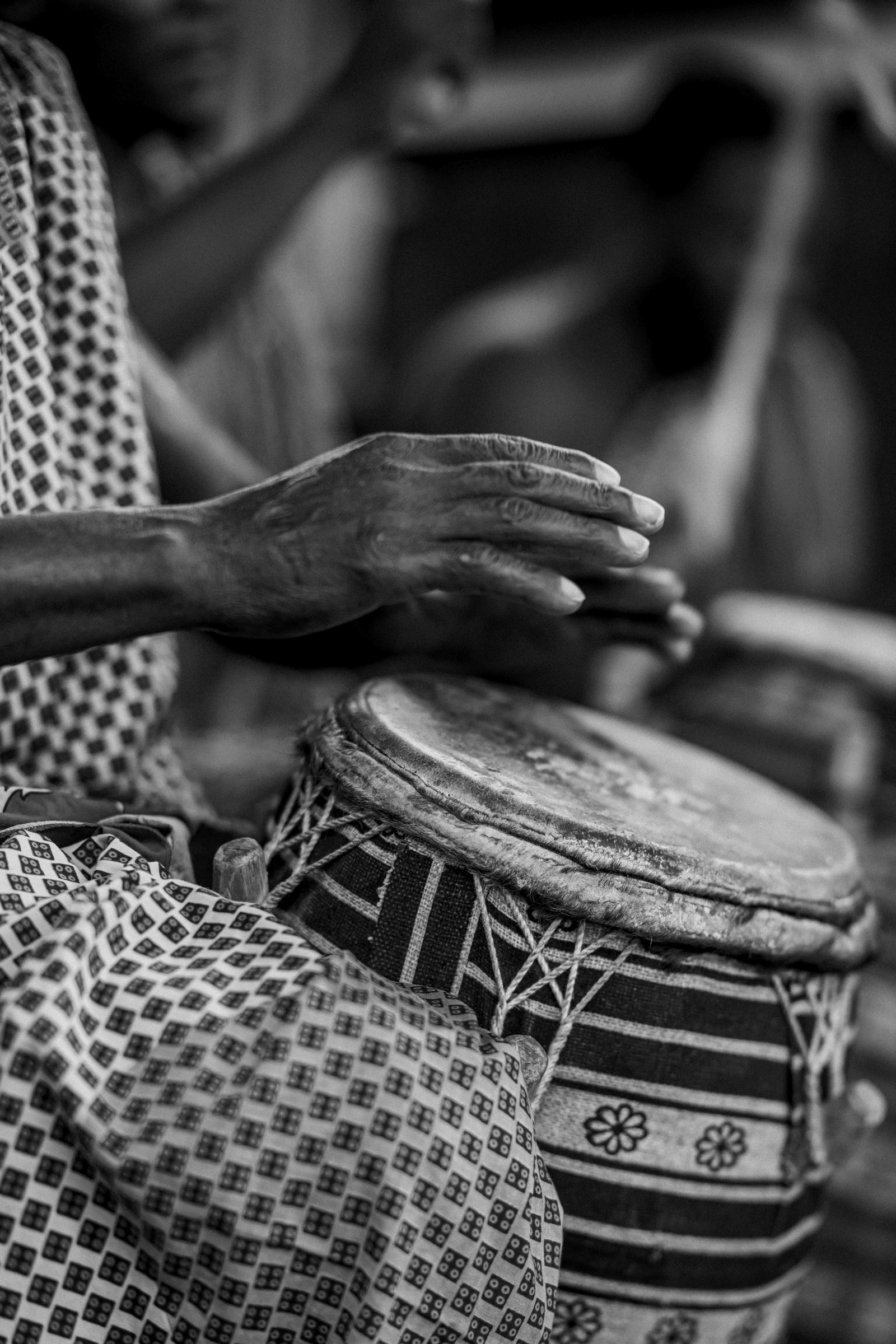
Walking into your first drum circle is a sensory experience like no other. The air vibrates with a collective pulse, the smell of goatskin and wood fills the room, and the smiles of fellow drummers invite you into the fold. But before you find your seat in the ring, one question usually takes center stage: What are the best drums for drum circle participation?
Choosing an instrument isn't just about the sound; it’s about how you want to contribute to the community heartbeat. Whether you are looking for a thunderous bass to anchor the group or a sharp, singing tone to dance over the top of the rhythm, selecting the right drum makes all the difference in your playing experience.
The Versatile Djembe: The King of the Circle
If you see ten people at a community gathering, chances are at least six of them are playing a djembe. Originating from West Africa, the djembe is perhaps the most popular choice for drum circles worldwide. Its goblet shape and rope-tuned head allow for a massive range of expression.
What makes the djembe so special is its sonic versatility. You can achieve three distinct sounds: the deep, booming 'bass' in the center; the mid-range 'tone' near the edge; and the sharp, cracking 'slap' at the very rim. Because it can cover so much ground, it is the perfect solo instrument for beginners and experts alike.
Congas and Bongos: The Afro-Cuban Flavor
For those who prefer a more melodic, warm approach to rhythm, congas are an excellent choice. These tall, narrow drums provide a smooth, organic sound that blends beautifully with other acoustic instruments. While a full set of three (quinto, conga, and tumba) might be a lot to carry to a park, bringing a single conga is a great way to add a steady, driving 'tumbao' rhythm to the group.
Bongos, the conga's smaller cousins, are ideal for drummers who want to play intricate, high-pitched patterns. They are portable, easy to hold between your knees, and perfect for adding 'chatter' and texture to the collective sound.
The Deep Pulse: Dununs and Bass Drums
Every drum circle needs a foundation. While many people focus on high-energy soloing, the dununs (or dunduns) provide the heartbeat. These cylindrical, double-headed drums are usually played with sticks and often have a bell attached to the top.
- Dununba: The largest drum, providing the deep bass.
- Sangban: The mid-sized drum that often carries the primary melody of the rhythm.
- Kenkeni: The smallest, highest-pitched dunun that keeps the steady time.
By playing these instruments, you provide the 'ground' that allows other drummers to fly. If you enjoy holding down the groove and supporting the group, the dunun is your calling.
Frame Drums and Tambourines: Subtle and Spiritual
Not every drum needs to be loud to be heard. Frame drums—some of the oldest musical instruments in the world—offer a different kind of power. From the Middle Eastern tar and bendir to the Irish bodhrán, these drums are held in one hand or on the lap and played with fingers or a light tipper.
Frame drums are excellent for drumming retreats where the focus might be on meditation, mindfulness, or soft chanting. They have a haunting, resonant quality that fills the space without overpowering the conversation of the other drums.
Doumbeks and Darbukas: Precision and Snap
If you love rapid-fire finger movements and crisp, metallic sounds, the doumbek (or darbuka) is a fantastic choice. These goblet-shaped drums from the Middle East and North Africa are typically made of ceramic or metal with synthetic heads.
Unlike the djembe, which uses the whole hand, the doumbek is played primarily with the fingers. It produces a sharp 'tek' and a resonant 'doum' that can cut through a large crowd. They are lightweight and incredibly responsive, making them a favorite for those who enjoy technical play.
Choosing Your First Drum: Practical Tips
When selecting your first instrument, consider your lifestyle and how you plan to use it. Here are a few things to keep in mind:
- Portability: Can you easily carry the drum from your car to the beach or park?
- Material: Wood and skin drums offer a traditional sound but can be sensitive to weather. Synthetic drums (like those made by Remo or Meinl) are more durable and stay in tune during humid outdoor events.
- Volume: If you are joining a small, intimate circle, a massive djembe might be too loud. Conversely, a small frame drum might get lost in a 50-person bonfire circle.
- Comfort: Ensure the drum fits your body. If it’s too tall or too heavy, you won’t want to play it for long sessions.
If you are unsure where to start, consider taking a few lessons from local drum teachers to try out different styles before you buy.
Beyond the Drum: Small Percussion
Sometimes, the best way to contribute to a drum circle isn't with a drum at all. Small percussion instruments are the "salt and pepper" of the rhythmic stew. Shakers, maracas, woodblocks, cowbells, and shekeres add the high-frequency shimmer that glues the low-end drums together.
Many experienced facilitators recommend that beginners start with a shaker. It allows you to internalize the pulse of the group without the pressure of leading the volume. Once you feel the groove in your bones, you can transition to a larger hand drum.
Etiquette and Finding Your Place
Once you have your drum, the most important thing is to listen. A drum circle is a conversation, not a competition. Start by playing softly, matching the heartbeat of the person next to you. Use call-and-response patterns to engage with others, and always leave space for the 'silence' between the notes.
If you're ready to put your new instrument to use, you can find a drum circle near you and join the global rhythm community today.
Frequently asked
- What is the best drum for a total beginner to bring to a circle?
- The djembe is widely considered the best beginner drum because it is easy to produce a good sound quickly. It offers three distinct tones (bass, tone, and slap) that allow a beginner to participate in almost any style of music.
- Should I get a drum with a natural skin or a synthetic head?
- Natural animal skin heads offer a warmer, more traditional tone but are sensitive to temperature and humidity. Synthetic heads are more durable, stay in tune regardless of the weather, and are generally easier to maintain for outdoor gatherings.
- Can I bring a drum kit snare or a floor tom to a drum circle?
- While most circles are focused on hand drumming, some community circles welcome all percussion. However, drum kit components can be very loud and may drown out the hand drums. It is usually best to check the specific circle's etiquette or stick to hand-played instruments.
Find a drum circle near you
Browse hundreds of circles, teachers and rhythm community gatherings.
Explore drum circles