
Choosing the Best Drums for a Drum Circle: A Complete Guide
Discover the most versatile, portable, and resonant instruments to bring to your next community rhythm event, from the mighty djembe to the humble frame drum.
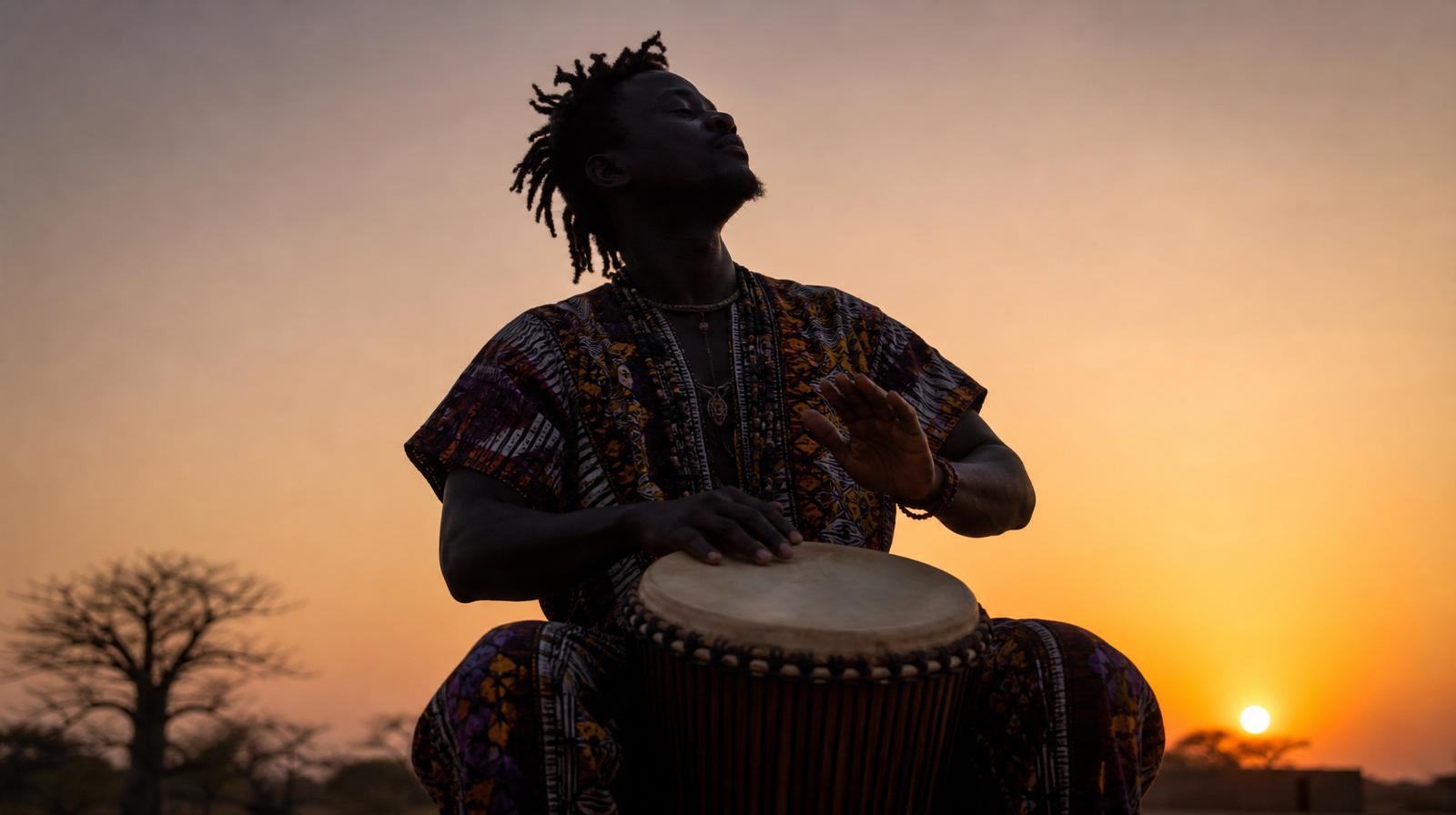
Walking into your first drum circle is a transformative experience. The air vibrates with communal energy, the rhythm is infectious, and the sense of belonging is immediate. But for many newcomers, one question stands above the rest: What is the best drum for a drum circle?
Whether you are attending a family-friendly gathering at a local park or a high-energy full-moon beach circle, the instrument you choose defines your experience. In this guide, we will break down the top choices for hand drumming, considering factors like portability, volume, and ease of play.
The Versatile King: The Djembe
If there is one instrument that defines the modern drum circle, it is the djembe. Originating from West Africa, this goblet-shaped drum is arguably the best drum for a drum circle because of its incredible sonic range. A single djembe can produce deep, resonant bass notes, clear mid-tones, and sharp, cracking slaps.
Djembes come in two main varieties: traditional wood with goat-skin heads and modern synthetic versions. For those just starting out, a synthetic djembe (like those made by Remo or Meinl) is often preferred because it stays in tune regardless of humidity and is much lighter to carry to local events.
The Rhythmic Anchor: Dunun and Bass Drums
While the djembes provide the melody and high-end energy, the dunun (or dundun) provides the heartbeat. These cylindrical, double-headed drums are typically played with sticks. In a traditional West African ensemble, you have the dundunba (large), sangban (medium), and kenkeni (small).
Bringing a dunun to a circle ensures the rhythm stays grounded. If you prefer a mallet-based approach rather than using your bare hands, these are excellent choices. They provide the "low end" that makes the music feel full and powerful.
Melodic and Soulful: The Frame Drum
Not every drum circle requires high-volume power. For more meditative or spiritual gatherings, the frame drum is a magnificent choice. These drums, which include the Irish bodhrán, the Middle Eastern tar, and various Native American style hoop drums, are characterized by a diameter much larger than their depth.
Frame drums are lightweight, making them perfect for those who might have difficulty carrying a heavy conga. They offer a warm, earthy tone that invites introspection. Many players find that the frame drum is the best drum for a drum circle that focuses on health and wellness.
Portable and Social: The Doumbek and Darbuka
If you are looking for something that fits easily in a backpack, the doumbek (or darbuka) is your best friend. These goblet drums from the Middle East and North Africa are known for their crisp, metallic "doum" and "tek" sounds.
Because they are played horizontally across the lap, they offer a different ergonomic experience than the djembe. They are fantastic for intricate, fast-paced fingerwork and call-and-response patterns that add flavor to the collective groove.
Shared Rhythms: Congas and Bongos
Afro-Cuban instruments like congas and bongos are staples in community drumming. Congas provide a rich, melodic "tumbao" rhythm that pairs perfectly with almost any other percussion instrument.
- Quinto: The smallest, highest-pitched conga.
- Conga: The middle-sized, versatile drum.
- Tumbadora: The largest, deepest-voiced drum.
While congas are heavy and usually require a stand or a specific sitting technique, their smooth, warm sound is unmistakable. If you are serious about mastering these, connecting with experienced drum teachers can help you develop the proper technique to avoid hand strain.
Essential Accessories: Beyond the Drum
A drum circle is rarely just drums. Auxiliary percussion adds the "salt and pepper" to the rhythmic stew. If you aren't ready to commit to a large drum, consider these:
- Shakers and Maracas: Perfect for keeping a steady pulse.
- Claves: The rhythmic key to many Latin beats.
- Cowbells: For when the energy needs a bright, driving force.
- Tambourines: Adds a shimmering high-end layer.
How to Choose the Right Drum for You
When selecting your instrument, consider three things: weight, sound, and your physical comfort.
- Weight: Will you be walking long distances from a parking lot to a beach? A 12-inch synthetic djembe or a frame drum is your best bet.
- Volume: If you are a naturally quiet player, a doumbek might get lost in a large circle. A djembe or conga will help you be heard.
- Technique: Do you prefer using your palms, fingers, or sticks? This will immediately narrow down your search.
Many beginners start their journey at drum schools where they can try multiple instruments before purchasing their own. This hands-on experience is invaluable for finding the drum that "speaks" to you.
Drum Circle Etiquette: A Quick Reminder
No matter which drum you choose, remember the golden rule of the circle: listen as much as you play. The best drum for a drum circle is the one that is played with sensitivity to the others in the group. Avoid "over-playing" or soloing constantly. Instead, find a pocket in the rhythm and support the collective heartbeat.
Ready to put your hands to the hide? Find a drum circle near you and start your rhythmic journey today!
Frequently asked
- What is the easiest drum to learn for a beginner?
- The djembe is widely considered the easiest drum for beginners because it has a clear distinction between its three basic sounds: bass, tone, and slap. Its upright playing position is also very natural for most people to maintain for long periods.
- Should I buy a wood or synthetic drum for outdoor circles?
- For outdoor drum circles, synthetic drums are generally better. They are weather-resistant, meaning their heads won't go flat in humidity or high heat, and they are significantly lighter to transport than solid wood drums.
- What size djembe is best for an adult?
- A 12-inch diameter head is the standard 'full size' for most adults. It provides enough surface area for proper hand placement and a deep enough body for a resonant bass note, while still being relatively portable.
- Can I use sticks in a hand drum circle?
- It depends on the drum. While dununs and cowbells require sticks, you should never use sticks on a djembe, conga, or bongo as it can permanently damage the skin and is often considered a breach of etiquette in hand-drumming circles.
Find a drum circle near you
Browse hundreds of circles, teachers and rhythm community gatherings.
Explore drum circles