Best Online Djembe Lessons: Master West African Rhythms
Discover the top-rated online djembe courses and instructors to help you master traditional West African rhythms from the comfort of your home.
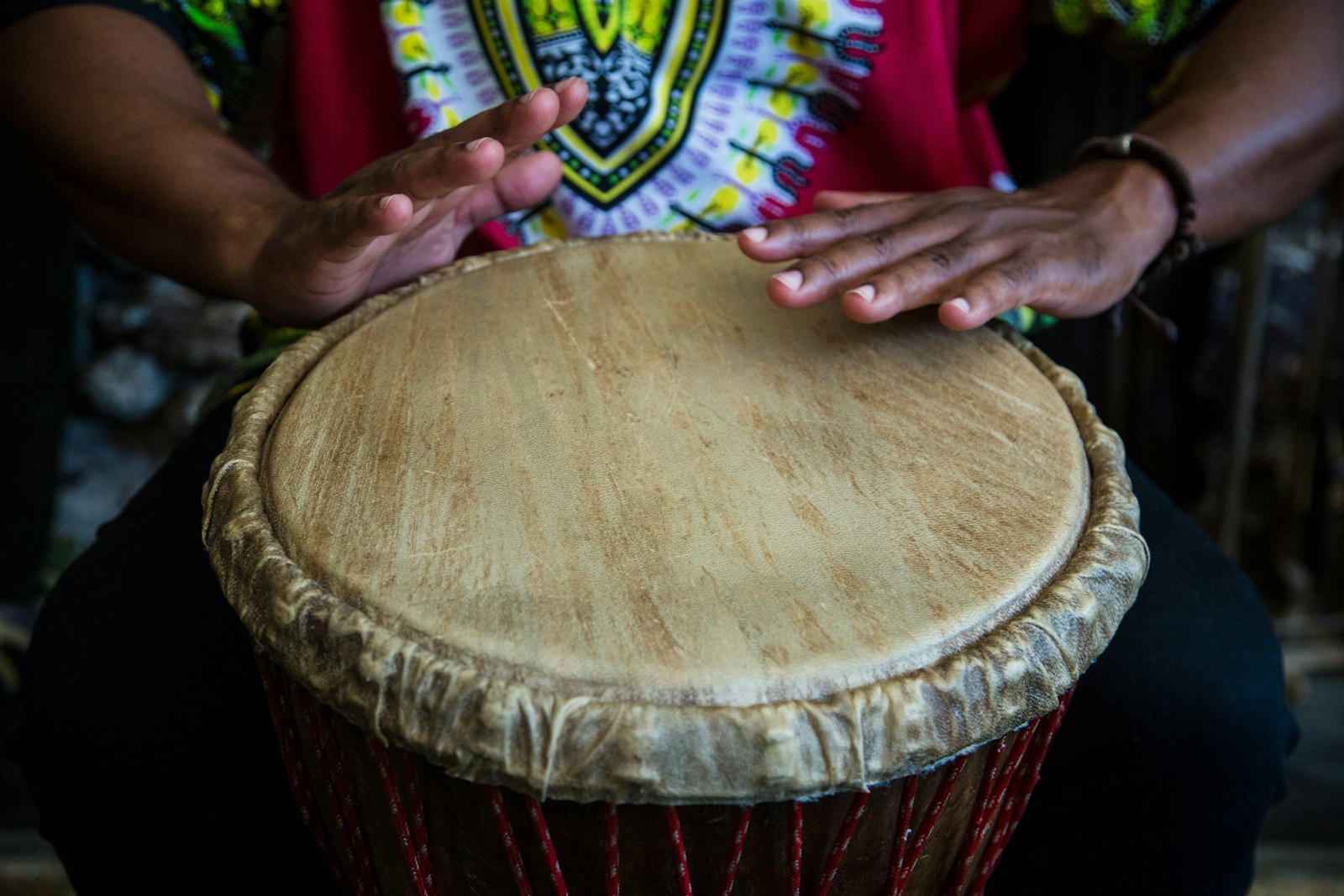
For centuries, the djembe has been the heartbeat of West African culture. Known as the "healing drum," its versatility—from deep, resonant bass notes to sharp, cracking slaps—makes it a favorite for both solo performers and drum circle enthusiasts.
In the modern age, you no longer need to travel to Mali or Guinea to learn from the masters. Whether you are pick up a drum for the first time or looking to refine your Kuku or Fula rhythms, finding the best online djembe lessons can accelerate your journey from a casual hitter to a rhythmic storyteller.
Why Learn Djembe Online?
Learning the djembe online offers a level of flexibility that traditional in-person classes sometimes lack. You can pause, rewind, and slow down complex polyrhythms until your muscle memory takes over.
Modern platforms now offer high-definition multi-angle shots, ensuring you can see exactly how the teacher’s hands are positioned for a clean tone versus a slap. Plus, online lessons allow you to study with world-renowned Grandmasters who might live thousands of miles away.
What to Look for in a Quality Djembe Course
Not all online lessons are created equal. When searching for the best online djembe lessons, prioritize programs that focus on these four pillars:
- Authenticity: Does the instructor respect the cultural origins of the rhythms? Understanding the history of a rhythm like Sorsornet or Moribayassa is just as important as the notes themselves.
- Technique Fundamentals: Look for deep dives into the "big three" sounds: Bass, Tone, and Slap. If a teacher skips the ergonomics of how to sit and strike, you risk repetitive strain injuries.
- Notation and Support: Quality courses often provide PDF notation or "box notation" to help you visualize the timing of the dunun and djembe parts.
- Community Interaction: Many of the best platforms include a forum or private group where you can post videos of your playing for feedback.
Top Recommended Online Djembe Instructors and Schools
There are several standout platforms that have consistently earned praise from the global drumming community.
For those seeking a structured, university-style curriculum, drum schools often provide tiered programs that take you from beginner basics to advanced soloing.
- Tam Tam Mandingue Djembe Academy (TTMDA): Founded by Grandmaster Mamady Keïta, this is the gold standard for traditional Mandingue drumming. Their online modules are rigorous and focus on preservation.
- Djembe Guru: Known for high-quality video production and a massive library of traditional rhythms, this is excellent for intermediate players looking to expand their repertoire.
- Wula Drum: While they are famous for their high-end instruments, their educational content focuses heavily on the authentic Guinea style of playing.
If you prefer one-on-one attention, you can also search for private drum teachers who offer lessons via Zoom or Skype, allowing for real-time correction of your hand technique.
Essential Gear for Online Learning
To get the most out of your digital lessons, you need more than just a high-speed internet connection.
- A Tuned Djembe: It is difficult to distinguish between a "tone" and a "slap" if your drum skin is loose. Ensure your rope-tuned djembe is pulled tight.
- Good Headphones: Laptop speakers often thin out the bass. Use a good pair of headphones to hear the low-end resonance of the teacher's drum.
- A Proper Chair: Use a armless chair or a drum stool that allows you to tilt the djembe forward between your knees, opening up the sound hole at the bottom.
Transitioning from Online Practice to Community Circles
While online lessons are fantastic for skill-building, the djembe is ultimately a social instrument. The goal for many students is to eventually take those rhythms into a live setting.
Practicing along to a metronome or a backing track online prepares you for the "pulse" of a real gathering. Once you feel confident with a few basic accompaniments, it is time to find drum circles in your local area to experience the magic of group synchronization.
Tips for Staying Consistent
Learning West African drumming is a marathon, not a sprint. To stay motivated:
- Practice in short bursts: 20 minutes of focused technique work is better than a two-hour session once a week.
- Record yourself: Use your phone to record your playing, then compare it to the instructor’s video. You will notice timing issues you might have missed while playing.
- Listen to the music: Immerse yourself in the recordings of greats like Famoudou Konaté or Bolokada Condé. The more you hear the language of the drum, the more natural your playing will become.
If you find yourself hitting a plateau, consider looking into drumming retreats. These immersive experiences allow you to take what you’ve learned online and apply it in an intensive, supportive environment with other students.
Conclusion: Your Rhythmic Path Awaits
The best online djembe lessons are the ones that keep you coming back to the drum every day. By combining the convenience of digital learning with the rich, cultural history of West Africa, you can develop a skill that brings joy to yourself and your community.
Ready to put your skills to the test? Find a drum circle near you at /drum-circles.
Frequently asked
- Can I really learn djembe properly through a screen?
- Yes, modern online lessons use multi-camera angles and slow-motion breakdowns that often make it easier to see hand placement than in a crowded physical classroom. However, supplementing online study with occasional workshops or local feedback is recommended to ensure your technique remains ergonomic.
- Do I need a professional-grade djembe to start online lessons?
- While a high-quality wood drum from Mali or Guinea is ideal, a beginner can start with a synthetic drum (like a Remo) or a smaller practice djembe. The most important factor is that the drum is properly tuned so you can clearly distinguish between the bass, tone, and slap sounds required by the instructor.
- How long does it take to learn the djembe online?
- Most students can learn the basic three strokes and a simple 4/4 accompaniment rhythm within a few weeks of consistent practice. Mastering complex polyrhythms and soloing, however, is a lifelong journey that involves understanding the relationship between the djembe and the dunun (bass drums).
Find a drum circle near you
Browse hundreds of circles, teachers and rhythm community gatherings.
Explore drum circles