
Mastering the Bongo Drum Circle: Techniques and Community Etiquette
Discover how to bring the vibrant, high-pitched energy of bongos to your next rhythm gathering with our expert guide to technique and circle dynamics.
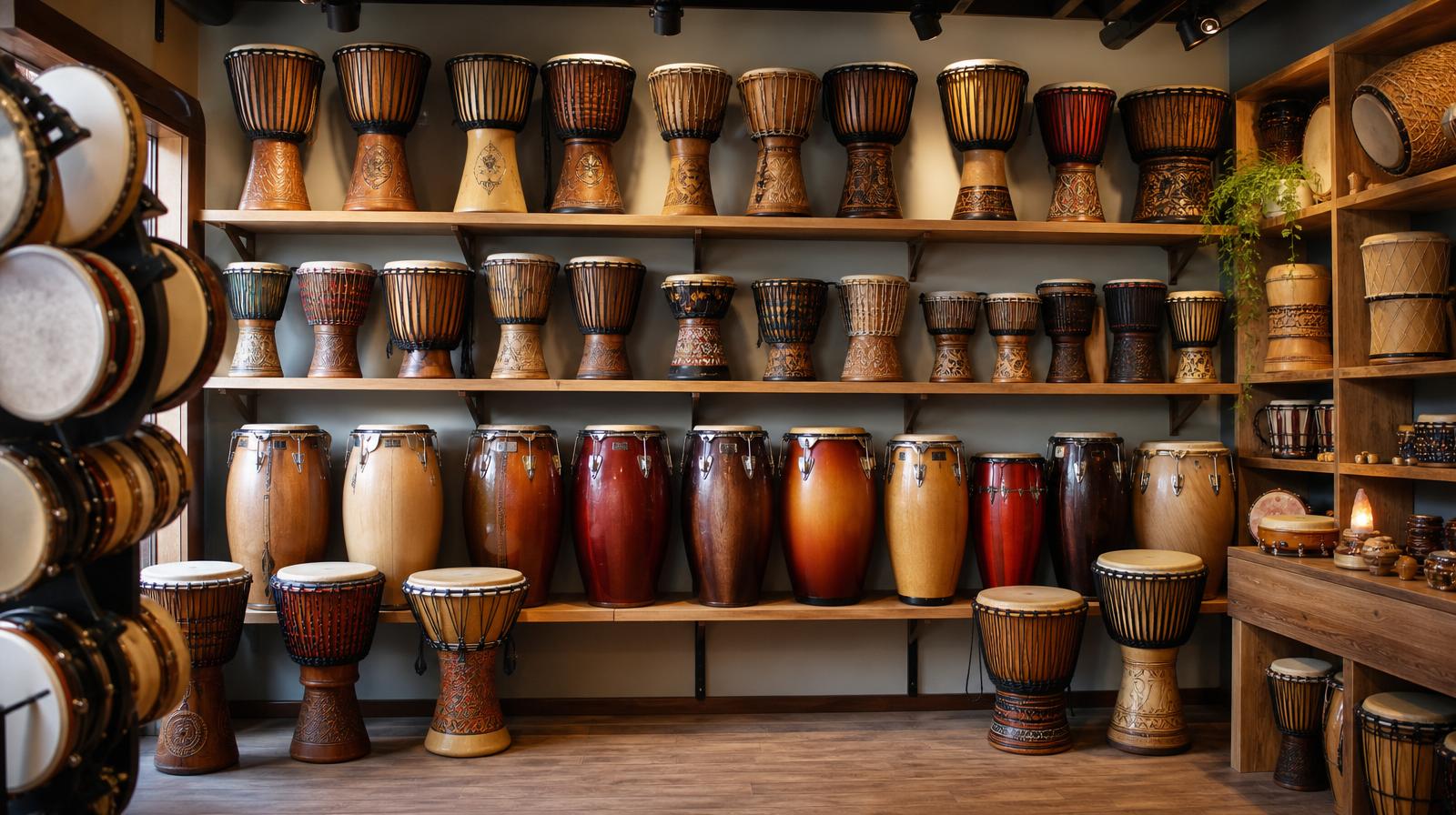
The sharp, rhythmic crack of a bongo drum is unmistakable. In the heart of a drum circle, while the deep thrum of the djembe and the steady pulse of the dunun provide the foundation, the bongos offer the conversation. They are the storytellers of the percussion world, providing intricate accents and high-frequency energy that can elevate a gathering from a simple beat to a complex tapestry of sound.
Whether you are a seasoned percussionist or a curious newcomer picking up a pair of small drums for the first time, participating in a bongo drum circle is an exhilarating experience. This guide will walk you through everything you need to know about bringing your bongos to the circle, from basic technique to the unspoken rules of rhythm community etiquette.
Understanding the Bongos: Macho and Hembra
Before you step into the circle, it is essential to understand your instrument. Bongos consist of two small drums attached by a thick wooden bridge. In traditional Afro-Cuban music, these two drums have specific names:
- The Macho: This is the smaller drum, which produces a higher, sharper pitch. It is typically used for rapid-fire accents and keeping the "top" of the rhythm.
- The Hembra: This is the larger drum, producing a deeper, mellower tone. It often serves as the anchor for your personal patterns.
In a bongo drum circle, the contrast between these two heads allows you to create melodic phrases that cut through the heavier bass of larger drums like congas or tubanos. When shopping for your first pair, look for high-quality rawhide heads and sturdy hardware, as the tension required for that signature bongo "pop" can be significant.
Essential Techniques for the Circle
Playing in a drum circle is different from practicing in your living room. You need to be heard, but you also need to blend. Here are the core strokes every bongo player should master:
The Open Tone
Strike the edge of the drum with the pads of your fingers (not the tips) and let them bounce off immediately. This creates a clear, resonant note. On the hembra, this provides a beautiful melodic quality.
The Slap
This is the most iconic bongo sound. By cupping your hand slightly and striking the macho, you create a sharp, cracking sound. In a loud bongo drum circle, the slap is your primary tool for being heard during a crescendo.
The Heel-Toe Movement
This involves rocking your hand from the palm (heel) to the fingertips (toe) on the drum head. While often used in salsa, in a community circle, this technique helps you maintain a silent "ghost note" pulse that keeps your timing impeccable without overpowering others.
Finding Your Place in the Rhythm
One of the most common mistakes beginners make in a bongo drum circle is playing too much, too fast. Because bongos are high-pitched, they can easily become distracting if the player is constantly soloing.
Think of yourself as the "salt" in a recipe. A little bit enhances the flavor of the entire group. Start by listening to the bass drums. Once you feel the "one" (the first beat of the measure), lock in with a simple repetitive pattern. As you become more comfortable, you can start to add syncopated accents or respond to the calls of experienced drum teachers who may be leading the session.
The Etiquette of the Circle
Every drum circle has its own unique culture, but certain rules of etiquette are universal. To ensure you are welcomed back to every gathering, keep these tips in mind:
- Listen More Than You Play: Before your hands even touch the skins, spend a few minutes absorbing the collective groove.
- Respect the Center: Many circles have a center space for dancers or a "sacred" altar. Avoid placing your gear or drinks in this area.
- Leave Space: You don't have to play on every beat. Silence is a powerful rhythmic tool. If the energy is peaking, step back and let the lower drums roar.
- Support the Facilitator: If there is a designated facilitator, watch for their signals. They may use hand gestures to indicate a volume change or a "stop" for a communal break.
If you are looking to refine these social and musical skills, attending drumming retreats is an excellent way to immerse yourself in the culture of rhythm under the guidance of masters.
Choosing the Right Bongo Drum Circle
Not all circles are created equal. Depending on your goals, you might look for different types of gatherings:
- Community/Family Circles: Usually held in parks or community centers, these are beginner-friendly and focus on wellness and connection.
- Shamanic or Full Moon Circles: These often focus on the meditative and spiritual aspects of drumming, using frame drums and bongos to reach a trance-like state.
- Technical Jam Sessions: Often found near drum schools, these are higher-intensity environments where technical proficiency and complex Afro-Cuban or Brazilian rhythms are the focus.
Health and Wellness Benefits
Beyond the music, participating in a bongo drum circle is scientifically proven to reduce stress. The act of rhythmic drumming releases endorphins and can even boost the immune system. The high-frequency vibrations of the bongos are particularly effective at clearing mental fog and improving focus. It is a form of active meditation that connects you to a tribe, reducing feelings of isolation and fostering a sense of belonging.
Gear Maintenance for Outdoor Circles
Since many bongo drum circles take place outdoors—at beaches or in parks—protecting your instrument is vital. Humidity and temperature changes can cause rawhide heads to expand or contract.
- Tuning: Always de-tune your bongos slightly after a session to prevent the heads from stretching or snapping under extreme tension.
- Conditioning: Use a tiny amount of lanolin or specialized drum head conditioner to keep the skins from cracking in dry weather.
- Protection: Invest in a padded gig bag. Not only does it make transport easier, but it also protects your drums from the sun during breaks.
If you are traveling to upcoming events or festivals, a sturdy case is a non-negotiable part of your toolkit.
Conclusion
The bongos are a gateway to a world of rhythm, community, and joy. By mastering a few basic tones and respecting the flow of the group, you can become a valued member of any percussion ensemble. Remember, it’s not about how many notes you can play, but how well you support the heartbeat of the circle.
Find a drum circle near you and start your rhythmic journey today!
Frequently asked
- Do I need to know how to read music to join a bongo drum circle?
- No, most community drum circles are based on improvisation and oral tradition. You learn by listening, watching others, and feeling the rhythm rather than reading sheet music.
- Can I play bongos with sticks in a drum circle?
- It is generally discouraged. Bongos are designed to be played with the hands. Using sticks can damage the thin rawhide heads and often produces a volume that is too piercing for a communal setting.
- What is the best way to sit while playing bongos?
- Traditionally, you hold the bongos between your knees with the macho (small drum) on your left (if right-handed). Ensure your posture is upright to allow for deep breathing and to prevent back strain during long sessions.
Find a drum circle near you
Browse hundreds of circles, teachers and rhythm community gatherings.
Explore drum circles