How to Book a Drum Circle Facilitator for Your Next Event
Discover how a professional drum circle facilitator can transform your gathering into an interactive, high-energy rhythmic experience that builds community and reduces stress.
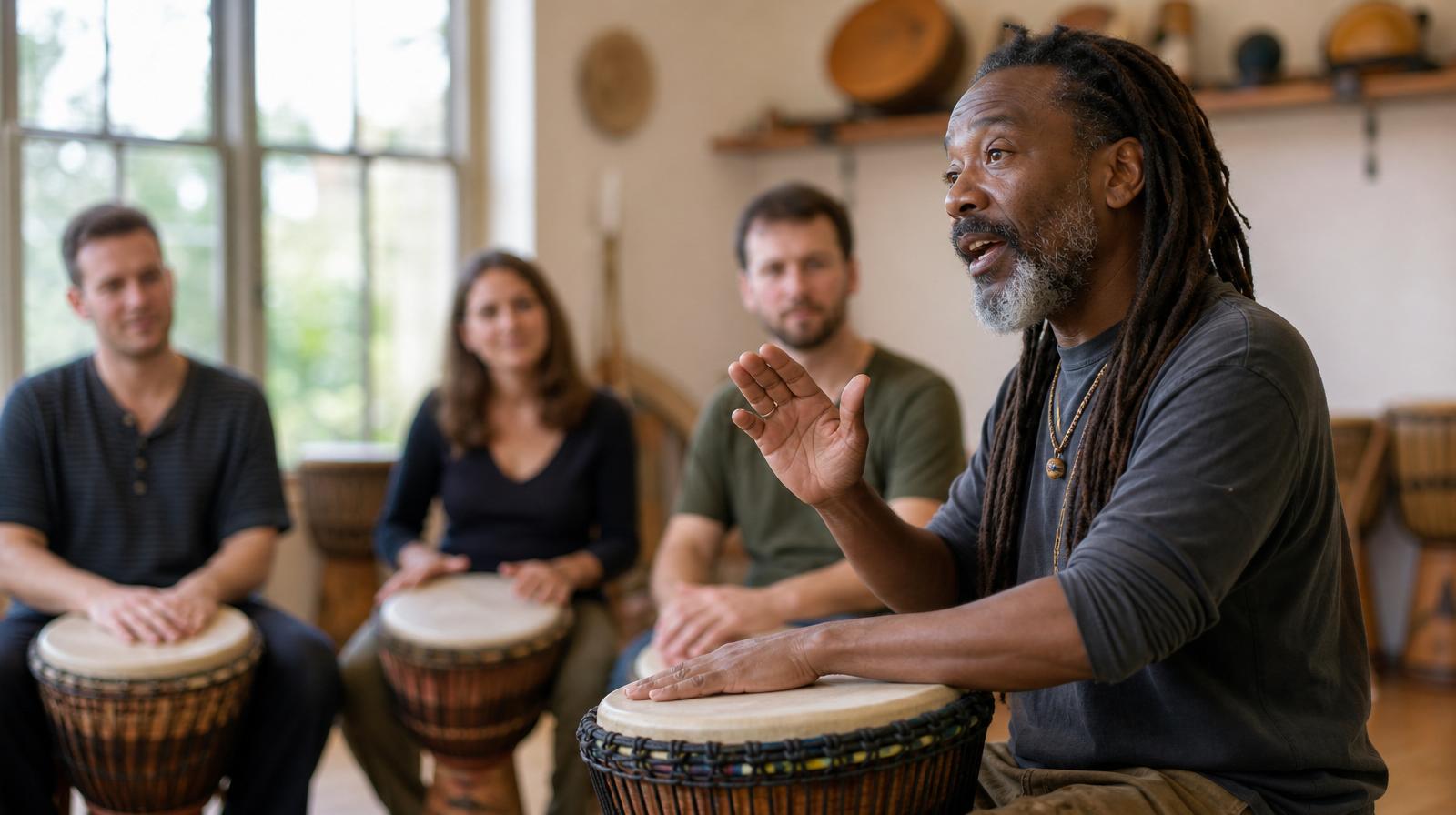
There is a unique magic that happens when a group of people, many of whom may have never touched a musical instrument, come together to create a unified heartbeat. This isn't just a jam session; it is a facilitated rhythmic experience. If you are looking to bring this energy to your organization, school, or private party, knowing how to book a drum circle facilitator is the first step toward a successful event.
A professional facilitator does more than just provide instruments. They act as a rhythmic conductor, guiding the group through a journey of communication, listening, and pure, unadulterated joy. Whether you are aiming for corporate team building or a mindful wellness retreat, the right leader makes all the difference.
What Does a Drum Circle Facilitator Actually Do?
Unlike a performance where an audience sits and watches, a drum circle is fully interactive. When you book a drum circle facilitator, you are hiring a specialist who manages the group’s energy. They use specific body language, verbal cues, and musical transitions to help a group of novices sound like a cohesive ensemble.
Facilitators provide the "rhythmic floor." They might start a basic pulse on a large dunun or djembe, then layer in parts for shakeres, bells, and frame drums. Their job is to ensure that no one feels intimidated and that the collective sound remains musical rather than chaotic.
Why Your Event Needs a Facilitated Drumming Experience
Drumming is one of the oldest forms of human connection. In modern settings, it serves as a powerful tool for:
- Breaking the Ice: It is impossible to feel self-conscious when you are part of a 50-person polyrhythm.
- Stress Reduction: The physical act of drumming releases endorphins and promotes relaxation.
- Inclusivity: Drumming transcends language, age, and physical ability. Everyone can contribute to the pulse.
- Team Synergy: Participants must listen to one another to stay in sync, mirroring the communication needs of a healthy workplace.
If you are planning a large-scale gathering, you can also check our events page to see how others are integrating rhythm into their programming.
Finding the Right Facilitator for Your Specific Needs
Not all facilitators are the same. Some specialize in the "Drum Circle Spirit" approach, focusing on community and wellness, while others may have a more technical background rooted in West African or Afro-Cuban traditions. When you look to book a drum circle facilitator, consider your audience:
Corporate and Team Building
For corporate settings, you want a facilitator who understands organizational goals. They will use the drum circle as a metaphor for leadership, cooperation, and adaptability. They often lead "debrief" sessions after the drumming to connect the experience back to the office environment.
Schools and Youth Programs
Facilitators working with children focus on focus, respect, and basic music education. They might use call-and-response games to keep kids engaged and teach them about instruments like the doumbek or the conga in a fun, accessible way.
Wellness and Healthcare
In hospitals, senior centers, or drumming retreats, the focus is on the therapeutic power of the vibration. These facilitators often have training in Music Therapy or HealthRHYTHMS protocols.
Essential Questions to Ask Before You Hire
To ensure your event goes off without a hitch, ask potential candidates the following questions:
- Do you provide the instruments? Most professional facilitators have a "drum truck" filled with djembes, tubanos, and small percussion for groups ranging from 20 to 500 people.
- What is your facilitation style? Are they high-energy and loud, or calm and meditative?
- How do you handle different skill levels? A good facilitator ensures the drum teachers in the room are challenged while the absolute beginners feel safe.
- What are the space requirements? Drumming is loud. You need to ensure your venue is comfortable with the volume and has the floor space for a circular seating arrangement.
Logistics: Space, Sound, and Setup
When you book a drum circle facilitator, the physical environment is key. Ideally, you want a room with good acoustics—but not too much echo. Outdoors can work beautifully, provided there is shade and a backup plan for rain.
Seating should be in concentric circles. This allows everyone to see the facilitator and, more importantly, to see each other. This "eye contact" is what builds the community feeling. If you are looking for a venue or a local group to see how it's done, you can browse our drum circle directory to find local examples.
The Cost of Booking a Professional
Rates for facilitators vary based on geography, the number of participants, and the duration of the event. A 60-minute community circle for a small non-profit will be priced differently than a full-day corporate retreat for 200 executives. Generally, you are paying for:
- The facilitator's expertise and years of training.
- The rental, transport, and maintenance of dozens of high-quality instruments.
- Set-up and pack-down time.
- Insurance and administrative costs.
Making the Connection
Ready to bring the rhythm to your community? The process is simple. Start by defining your goals, estimating your headcount, and then reaching out to a professional who resonates with your vision. The result will be an unforgettable experience that leaves your participants vibrating with positive energy long after the last beat of the djembe has faded.
Find a drum circle near you at /drum-circles
Frequently asked
- How many people can participate in a facilitated drum circle?
- A professional facilitator can manage any group size, from a small team of 10 to a massive conference of 1,000+ people. The only limitation is usually the number of instruments available and the size of the venue.
- Do we need to know how to drum before the event?
- Not at all. One of the primary reasons to book a drum circle facilitator is their ability to teach anyone to play a basic rhythm in seconds. They use accessible techniques that require zero prior musical experience.
- What instruments are typically provided?
- Most facilitators bring a mix of djembes, congas, and frame drums, along with 'small percussion' like cowbells, woodblocks, and shakers. This variety allows for a rich, textured sound that isn't overwhelming.
Find a drum circle near you
Browse hundreds of circles, teachers and rhythm community gatherings.
Explore drum circles