How to Book a Drum Circle: The Ultimate Guide for Any Event
Discover how to transform your next gathering with rhythm, from corporate team building to private celebrations. Learn exactly how to find and book a drum circle facilitator who fits your vision.
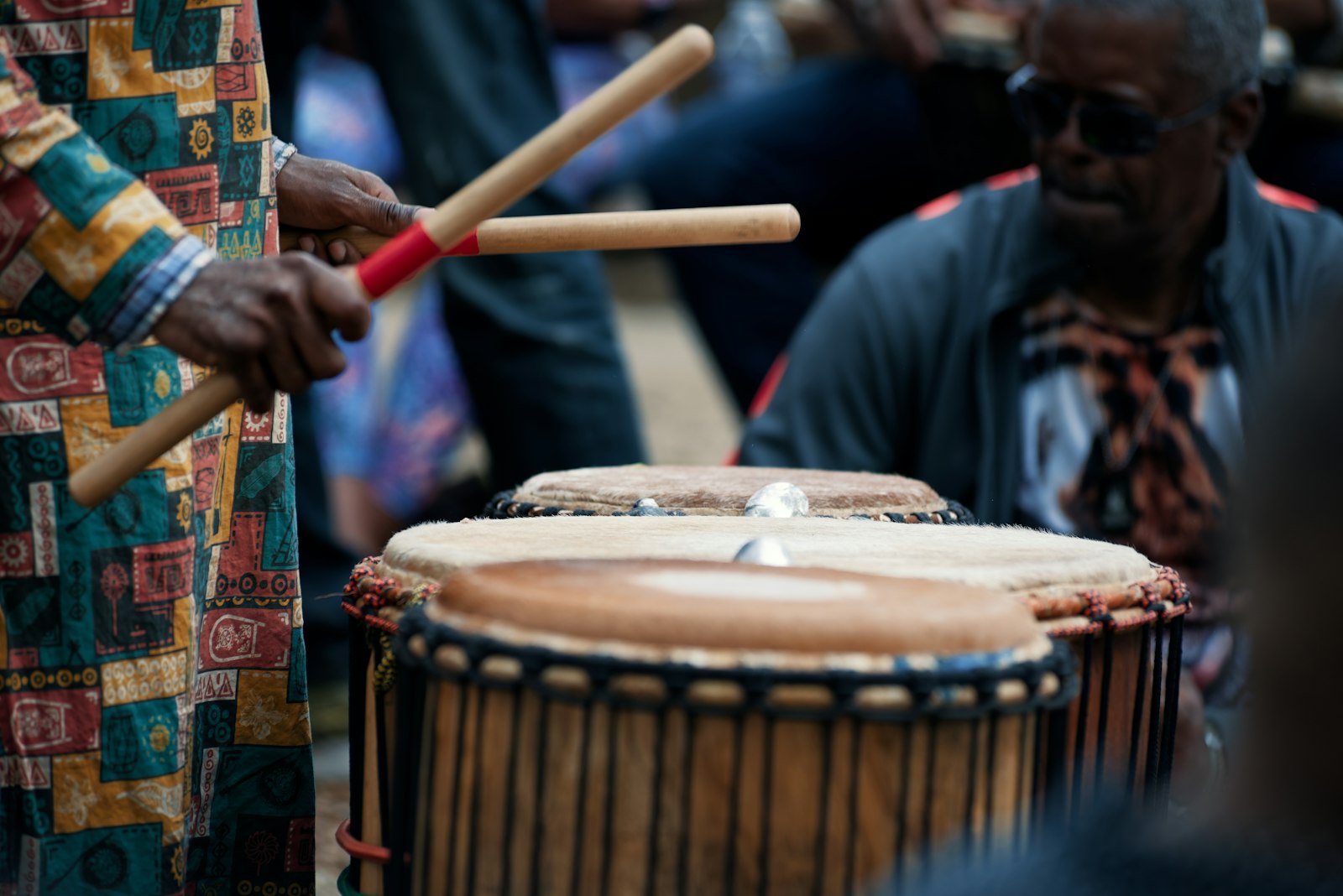
There is a primal magic that happens when a group of people, many of whom may have never touched a percussion instrument in their lives, come together to create a unified beat. Whether it is the deep resonance of a djembe or the sharp slap of a conga, rhythm has a way of breaking down barriers and fostering instant community.
If you are planning an event and want to move beyond passive entertainment, you might be considering how to book a drum circle. Unlike a hired band that performs at an audience, a facilitated drum circle invites the audience to become the performers. This guide will walk you through everything you need to know to bring the power of rhythm to your next gathering.
Why Book a Drum Circle for Your Event?
Booking a drum circle is about more than just music; it is about experiential connection. In a world increasingly dominated by screens, the tactile nature of hand drumming offers a grounded, sensory experience that participants remember for years.
- Corporate Team Building: Rhythm is a perfect metaphor for teamwork. When a team learns to listen to one another and lock into a groove, communication improves naturally.
- Weddings and Celebrations: A drum circle can serve as a high-energy transition between a ceremony and a reception, or a soulful way to celebrate a milestone birthday.
- Wellness Retreats: For those hosting drumming retreats, a guided circle can facilitate emotional release and mindfulness.
- Community Festivals: Large-scale public events benefit from the "magnet effect" of drumming, drawing in passersby and creating a vibrant, family-friendly atmosphere.
Understanding the Role of the Facilitator
When you book a drum circle, you aren't just renting instruments; you are hiring a facilitator. A professional facilitator is the conductor of the energy. They ensure that the rhythm doesn't devolve into chaotic noise, but instead evolves into a cohesive musical conversation.
Facilitators use specific techniques like call-and-response, sculpting (bringing certain sections of the circle in or out), and volume control to keep the group engaged. They provide the "safety net" that allows beginners to feel confident enough to play. If you are looking for professional guidance, you can browse a list of experienced drum teachers who often double as event facilitators.
Choosing the Right Type of Drum Circle
Not all drum circles are created equal. Depending on your goals, you will want to specify the format when you reach out to a provider:
- Fully Facilitated: The leader provides all instruments (djembes, dununs, shakers, and bells) and guides the group through specific exercises and rhythms. Best for corporate events or beginners.
- Semi-Facilitated / Interactive: The leader sets a basic pulse and allows for more organic improvisation, stepping in only when the energy wanes. Great for festivals.
- Performance-Hybrid: A professional ensemble performs high-energy West African or Afro-Cuban rhythms, then invites the audience to join in on smaller percussion instruments for the final portion.
Logistics: What You Need to Provide
To ensure a successful experience when you book a drum circle, you need to consider the physical requirements of the space.
- Seating: Most drum circles require armless chairs arranged in concentric circles. This allows players to hold the drums between their knees (specifically for djembes and doumbeks) without obstruction.
- Acoustics: High ceilings or outdoor spaces are ideal. Small rooms with hard surfaces can become overwhelmingly loud very quickly.
- Loading Access: Drums are bulky. Ensure your facilitator has a clear path to unload their van or truck close to the performance area.
- Permits: If you are hosting your event in a public park, check local noise ordinances. While most events are welcomed, some cities require a specific permit for amplified sound or large groups.
How to Find the Best Local Facilitators
Finding the right person to lead your circle is crucial. You want someone who balances musical expertise with "people skills."
Start by searching the Drum Circle Directory to find facilitators in your specific region. Look for someone who has experience with your specific event type. A facilitator who excels at working with children at a school assembly may have a very different approach than one who specializes in executive leadership retreats. Ask for video clips of their previous sessions to get a feel for their "vibe" and how they interact with a crowd.
Common Questions About Pricing and Duration
When you prepare to book a drum circle, budget is always a factor. Pricing varies based on the number of participants (which dictates how many drums the facilitator must transport), the duration of the session, and the travel distance.
A standard session usually lasts between 45 and 90 minutes. Beyond 90 minutes, participants who aren't used to drumming may experience hand fatigue. For large corporate groups, expect to pay a premium for the logistics of providing 50+ high-quality instruments.
Finalizing Your Booking
Once you have found your facilitator, ensure you have a simple contract in place. This should cover the arrival time (usually 30-60 minutes before the start for setup), the exact duration of playing time, and a rain policy if the event is outdoors.
Booking a drum circle is an investment in your community's joy. It is a rare opportunity for people to put down their phones, pick up a drum, and remember what it feels like to be part of a collective human heartbeat.
Find a drum circle near you at Drum Circle Directory.
Frequently asked
- Do guests need to bring their own drums?
- Usually, no. When you book a professional drum circle facilitator, they typically provide a variety of instruments, including djembes, frame drums, and auxiliary percussion like shakers. However, it is always worth confirming the 'drum count' with your provider to ensure every guest has an instrument.
- Is a drum circle too loud for an indoor wedding?
- It depends on the room and the facilitator. Professional facilitators are experts at volume control and can use 'low-volume' instruments like frame drums or rubber-tipped mallets if the space is small. Outdoor settings are generally preferred for maximum resonance without ear strain.
- How many people can participate in a drum circle?
- There is no real upper limit! Drum circles can be intimate groups of 5-10 people or massive events with hundreds of participants. The only constraint is the number of instruments available and the size of the venue's seating area.
Find a drum circle near you
Browse hundreds of circles, teachers and rhythm community gatherings.
Explore drum circles