
Breathwork Drum Circle: A Guide to Rhythm and Conscious
Discover how the fusion of conscious breathing and rhythmic drumming can reduce stress, enhance focus, and create a profound sense of communal healing.
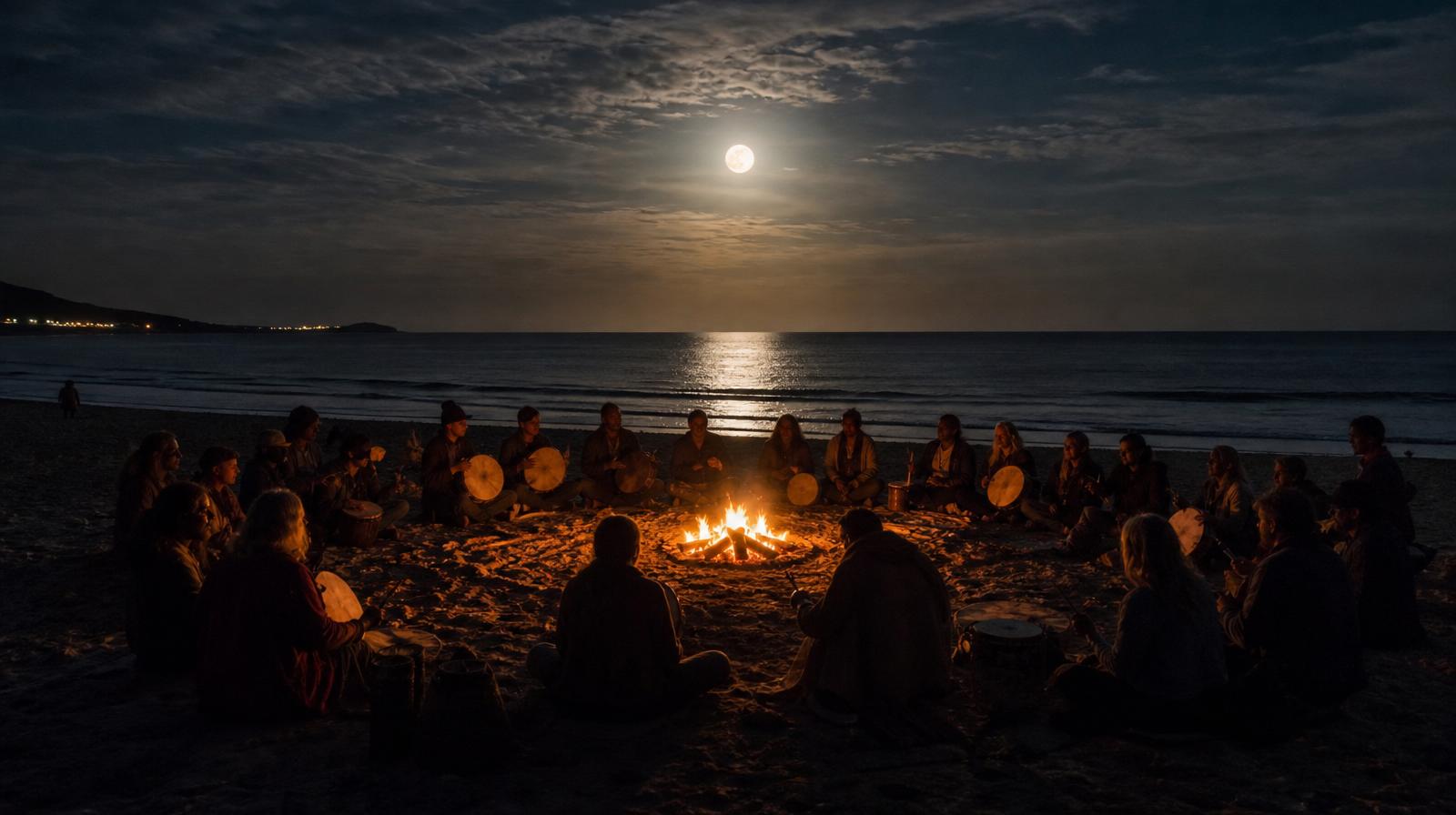
There is a profound, ancient intersection between the air we pull into our lungs and the pulse we strike with our hands. When we combine the intentionality of conscious breathing with the primal vibration of a drum, we unlock a unique state of flow that practitioners call a breathwork drum circle.
In these specialized gatherings, the goal isn't just to make music; it's to synchronize our internal biological rhythms with the external pulse of the community. Whether you are holding a djembe, a frame drum, or a set of dununs, the integration of breath and beat offers a pathway to deep relaxation, emotional release, and physical rejuvenation.
The Synergy of Breath and Beat
At its core, drumming is a physical act that requires oxygen and stamina. However, in a breathwork-focused circle, the breath becomes the primary instrument. By focusing on rhythmic inhalation and exhalation—often synchronized with a steady four-four beat—participants can enter a trance-like state known as entrainment.
Entrainment occurs when our brainwaves and heart rate begin to mirror the external auditory stimuli. When a facilitator leads a group through specific breathing patterns while maintaining a low, steady bass tone on a conga or djembe, the nervous system shifts from 'fight or flight' into a state of 'rest and digest.'
Why Combine Breathwork with Drumming?
While traditional drum circles are often high-energy and celebratory, a breathwork drum circle leans into the meditative. This practice offers several distinct benefits:
- Stress Reduction: The combination of rhythmic movement and deep oxygenation lowers cortisol levels.
- Enhanced Focus: Concentrating on the 'one' of the beat while managing breath cycles clears mental clutter.
- Emotional Release: The vibration of the drum can help dislodge 'stuck' emotions, which are then released through controlled exhalation.
- Physical Stamina: Proper breathing techniques allow drummers to play for longer durations without fatigue.
If you are looking to deepen your practice, many drumming retreats now offer specialized workshops that focus specifically on this somatic connection.
Essential Instruments for a Meditative Circle
While any drum can be used, certain instruments are particularly well-suited for the sustained, vibrational nature of breathwork sessions:
- The Djembe: Its deep bass notes provide a grounding 'heartbeat' that is easy to breathe to.
- Frame Drums: These ancient instruments are often played close to the face, allowing the player to feel the air move with every strike.
- The Doumbek: The crisp 'teks' and deep 'doums' allow for intricate rhythmic breathing patterns.
- Dunun (Bass Drums): These provide the foundational low-frequency vibrations that resonate in the chest cavity, guiding the diaphragm.
How a Typical Session Unfolds
A breathwork drum circle usually follows a specific arc. It begins with 'grounding,' where the facilitator leads the group in simple, deep belly breaths without any drumming. This establishes a collective presence.
Next comes the 'introduction of the pulse.' A soft, steady beat is introduced—often a simple heartbeat rhythm. Participants are encouraged to breathe in for four beats and out for four beats. As the energy builds, the rhythm may become more complex, incorporating call-and-response patterns where the 'response' is a specific vocalized breath (like a sharp 'ha' or a soft 'whoosh').
Finally, the session concludes with a 'cool down' or 'rhythmic silence,' where the drumming fades away, leaving only the sound of a dozen or more people breathing in unison. This is often the most powerful moment of the event.
Finding Your Rhythm with a Teacher
Learning to balance the physical demands of hand drumming with conscious breathwork can be challenging for beginners. It is often helpful to seek out drum teachers who have experience in music therapy or somatic practices. They can show you how to maintain proper posture so your lungs can expand fully while your hands remain relaxed on the drum head.
Many drum schools are also beginning to incorporate mindfulness and breath awareness into their core curriculum, recognizing that a relaxed drummer is a more resonant drummer.
Etiquette in a Breathwork-Focused Space
Because these circles are more meditative than a standard community jam, the etiquette is slightly different:
- Listen More Than You Play: The space between the notes is where the breath lives. Avoid over-playing.
- Respect the Silence: If the facilitator calls for a stop, let the silence resonate. Do not 'noodle' on your drum.
- Focus Inward: While community is vital, the primary goal is your internal connection to the rhythm.
- Follow the Lead: Breathwork sessions are often carefully sequenced; following the facilitator’s tempo is crucial for the group's safety and experience.
Creating Your Own Practice at Home
You don't need a large group to experience the benefits of a breathwork drum circle. You can start a solo practice by setting a metronome to 60 BPM. Sit comfortably with your drum, and for five minutes, simply strike the center of the drum on beat one while inhaling, and strike again on beat three while exhaling. This simple 1:1 ratio is the foundation of rhythmic meditation.
To find a community to practice with, check out upcoming events in your area that focus on wellness and sound healing.
Find a drum circle near you to start your journey into the healing power of rhythm.
Frequently asked
- Do I need prior drumming experience to join a breathwork drum circle?
- No, most breathwork drum circles are designed to be inclusive for all skill levels. The focus is on the internal experience and the rhythm of the breath rather than complex technical drumming patterns. Facilitators will usually provide basic instruction for those who have never held a djembe or frame drum before.
- What should I bring to a breathwork drumming session?
- It is recommended to bring a bottle of water, comfortable clothing that allows for deep diaphragmatic breathing, and your own drum if you have one. Many organizers provide loaner drums, but it is always best to check the event description beforehand. A small cushion or stool can also be helpful for comfort during longer seated sessions.
- How does drumming help with breathing techniques?
- Drumming provides an external tactile and auditory 'anchor' for the breath. By syncing your inhalation and exhalation to a steady beat, you prevent the shallow chest breathing often associated with stress. The physical vibration of the drum against the body also helps relax the muscles around the ribcage, allowing for a fuller, deeper breath.
Find a drum circle near you
Browse hundreds of circles, teachers and rhythm community gatherings.
Explore drum circles