Buy Hand Drum: The Ultimate Guide to Finding Your Perfect
Ready to join the circle? Our comprehensive guide helps you choose the right hand drum for your style, budget, and musical journey.
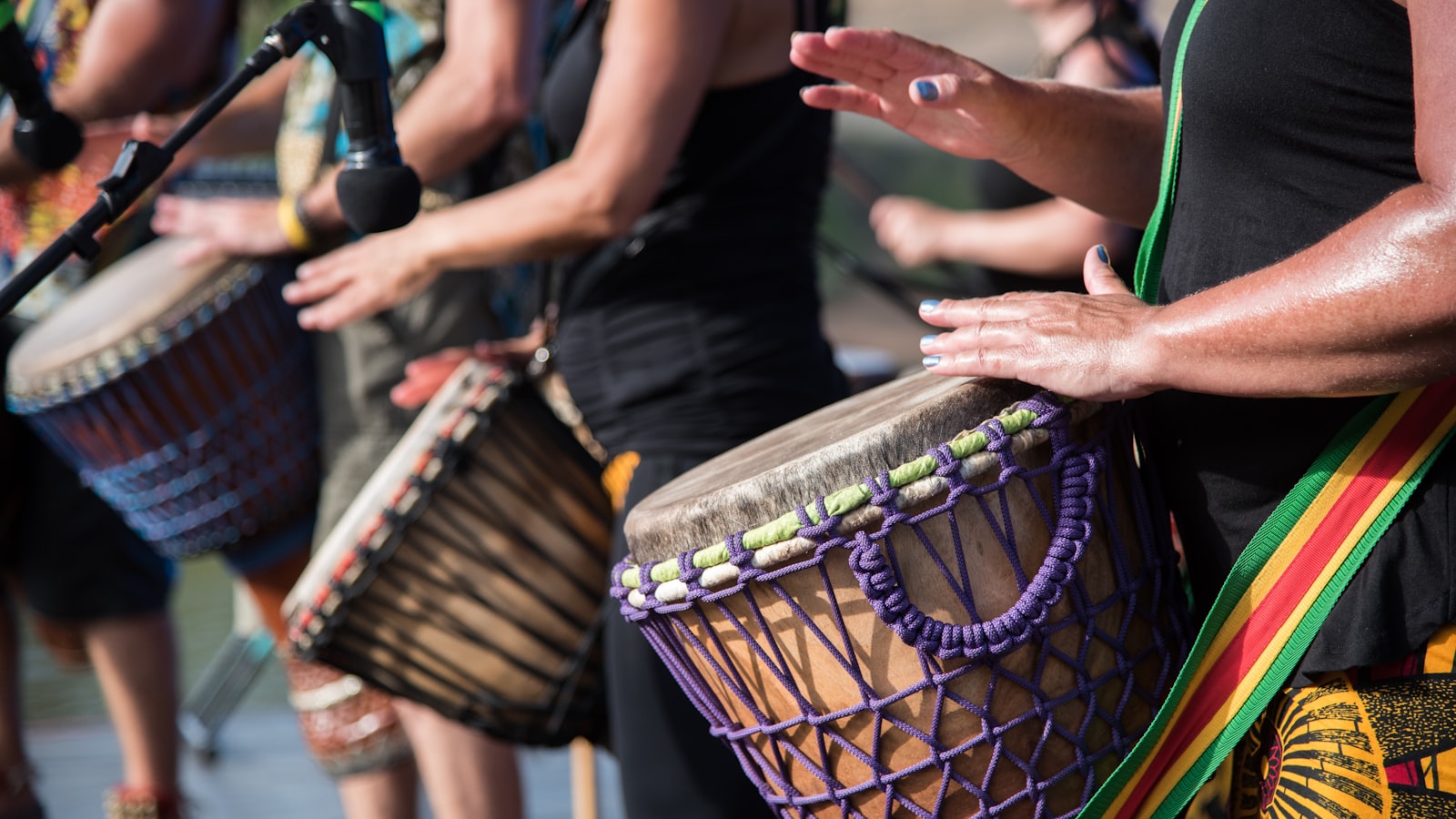
There is a profound moment when you first sit in a rhythmic circle and feel the vibration of a skin-on-skin strike. Whether it is the deep, earthy bass of a djembe or the melodic pop of a doumbek, owning your own instrument is the first step toward finding your voice in the global drumming community.
However, for a beginner, the sheer variety of percussion can be overwhelming. When you set out to buy hand drum, you aren't just purchasing a piece of equipment; you are choosing a partner for your rhythmic journey. This guide will walk you through the nuances of different drums, materials, and what to look for to ensure your first (or next) purchase is a resonant success.
Understanding the Core Types of Hand Drums
Before you browse online or walk into a music shop, you need to identify which sound resonates with your soul. Hand drums are generally categorized by their shape, origin, and the technique used to play them.
- The Djembe: Originating from West Africa, this goblet-shaped drum is the most popular choice for community gatherings. It offers three distinct sounds: bass, tone, and slap. Its versatility makes it the king of the drum circles scene.
- Congas and Bongos: These Afro-Cuban staples are known for their rich, melodic qualities. Congas are tall and played while standing or seated on a stand, while bongos are small, paired drums held between the knees.
- Frame Drums: One of the world's oldest instruments, the frame drum (like the Irish Bodhrán or the Middle Eastern Tar) features a diameter greater than its depth. They are excellent for meditative, spiritual, and folk styles.
- Doumbek and Darbuka: These goblet drums from the Middle East are usually made of ceramic or metal. They produce crisp, metallic high notes and are often used in belly dance music.
Natural vs. Synthetic Heads: Which is Right for You?
One of the biggest decisions you will face when you buy hand drum is the material of the drumhead. This choice affects not only the sound but also the maintenance requirements.
Natural Animal Skins (Goat, Cow, or Mule): Traditionalists prefer natural skins for their warmth and organic "feel." A goat-skin djembe has a soul that synthetic materials struggle to replicate. However, natural skins are sensitive to humidity and temperature. They can go flat in the rain or tighten dangerously in extreme heat.
Synthetic Heads (Fiberskyn, Skyndeep): Modern synthetic heads by brands like Remo or Evans are virtually weather-proof. They stay in tune regardless of the environment, making them the perfect choice for outdoor full-moon gatherings or beach circles. While some argue they sound "brighter" or less earthy, their durability is a massive plus for traveling drummers.
Sizing and Ergonomics: Finding the Right Fit
When you buy hand drum, size matters for both sound and comfort. A drum that is too large will be difficult to transport and may cause back strain, while a drum that is too small might lack the deep bass frequencies you crave.
For a djembe, a 12-inch diameter head is considered the "standard" adult size. It provides a full range of sound while remaining portable. If you have smaller hands, a 10-inch drum might feel more responsive. For congas, the size is determined by the drum's role: the Quinto (small/lead), Conga (middle), and Tumba (large/bass).
Always consider the weight. If you plan on attending drumming retreats or hiking to a remote spot for a sunrise session, a lightweight fiberglass shell or a smaller wood drum will save your shoulders.
What to Inspect Before You Pay
If you are buying a drum in person, use your senses to vet the quality. If buying online, ensure there is a solid return policy.
- Check the Shell: Look for cracks in the wood. A small surface scratch is fine, but a crack that goes through the wood will kill the resonance.
- Inspect the Bearing Edge: This is the top rim where the skin touches the wood. It should be smooth and level. Any jagged edges will eventually cause the head to tear.
- Test the Tension: The drum should be tuned high enough to distinguish between the tones, but not so tight that the skin feels like it's about to snap.
- Listen to the Decay: Strike the bass note. Does it ring out clearly, or does it sound "thuddy" and dead? A quality drum will have a clean, vibrating sustain.
Where to Buy: Supporting the Craft
While big-box music retailers carry standard brands, there is something special about buying from artisans or specialty shops. Many drum schools sell high-quality instruments that they have personally vetted for their students. Buying from a reputable importer ensures that the wood (like mahogany or lenke) is sustainably sourced and that the artisans in West Africa or elsewhere are paid fairly for their craftsmanship.
Setting a Budget for Your First Drum
How much should you spend when you buy hand drum?
- Entry Level ($100 - $200): You can find decent synthetic djembes or entry-level wood drums in this range. They are great for learning the basics but may lack professional-grade hardware.
- Mid-Range ($250 - $450): This is the sweet spot for serious hobbyists. You’ll find high-quality wood, better skins, and more durable rope or lug-tuning systems.
- Professional ($500+): These are heirloom instruments. Expect hand-carved shells, premium skins, and exquisite tonal clarity that carries across a large field.
Remember, a well-made drum can last a lifetime if cared for properly. It is often worth spending an extra $50 for an instrument that inspires you to play every day.
Next Steps After Your Purchase
Once you have your drum, the journey truly begins. We recommend seeking out drum teachers to learn proper technique; this prevents wrist fatigue and helps you produce the best possible sound. Joining a local group will help you practice call-and-response patterns and understand the etiquette of the circle.
Find a drum circle near you.
Frequently asked
- Is a rope-tuned or lug-tuned drum better?
- Rope-tuned drums (like traditional djembes) offer an authentic look and feel but require learning specific knots to tune. Lug-tuned drums (like congas or modern djembes) use a wrench, making them much faster and easier for beginners to adjust.
- What is the best hand drum for a total beginner?
- The djembe is widely considered the best starter drum because it is intuitive to play, offers a wide range of sounds (bass, tone, slap), and is the primary instrument used in most community drum circles.
- How do I maintain my hand drum?
- Keep your drum in a padded bag when not in use to protect the head from temperature changes. For natural skins, avoid playing with rings or jewelry that could puncture the surface, and occasionally apply a tiny amount of shea butter to the skin if it becomes excessively dry.
Find a drum circle near you
Browse hundreds of circles, teachers and rhythm community gatherings.
Explore drum circles