Can Anyone Join a Drum Circle? A Beginner’s Guide to Rhythm
Curious about the rhythm? Learn why drum circles are the most inclusive musical gatherings on earth and how you can find your place in the beat.
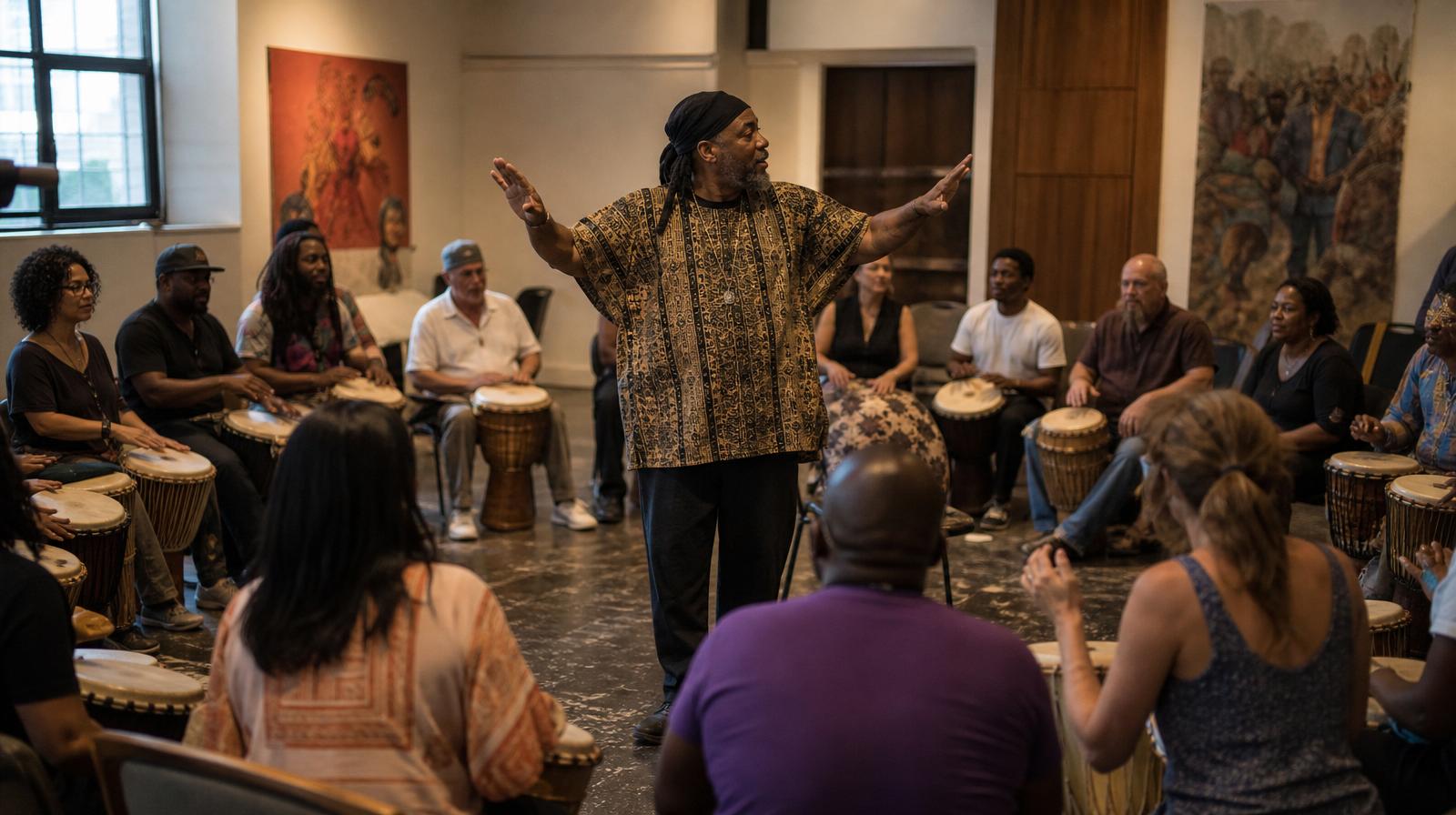
One of the most frequent questions we receive at Drum Circle Directory is a simple one: "Can anyone join a drum circle?" Whether you saw a group of people playing djembe at a local park or heard the distant thrum of wood and skin at a festival, the pull of the rhythm is magnetic.
The short answer is a resounding yes.
Unlike an orchestra or a jazz band where years of formal training are required to participate, a drum circle is a democratic musical space. It is one of the few places on earth where a master percussionist and someone who has never touched a drum can create something beautiful together in real-time.
The Inclusive Nature of Community Drumming
At its core, a drum circle is not a performance; it is a community event. The primary goal is not to impress an audience, but to connect with the people standing to your left and right. This inherent focus on connection over perfection makes it accessible to everyone, regardless of age, background, or musical ability.
From full-moon gatherings on the beach to structured wellness sessions in community centers, the spirit of the circle is welcoming. You will find toddlers tapping on small frame drums alongside seniors keeping time with shakers. In these spaces, the "right" way to play is simply to listen and contribute your unique heartbeat to the collective sound.
Do You Need Your Own Instrument?
Many beginners hesitate to join because they don’t own a drum. While many regulars bring their own beloved instruments—perhaps a carved West African djembe, a set of melodic dununs, or a sleek fiberglass conga—many circles are "facilitated."
In a facilitated drum circle, the leader often brings a "drum trunk" filled with extra instruments for newcomers to use. You might be handed a tambourine, a pair of maracas, or a cowbell. If you find yourself falling in love with the rhythm, you can eventually look for drum schools to learn specific techniques or browse for your first professional-grade instrument.
Understanding the Different Types of Circles
While anyone can join a drum circle, it helps to know which type you are walking into.
- Community/Public Circles: These are often held in parks or public squares. They are usually "come one, come all" and are very informal.
- Facilitated Circles: A professional facilitator guides the group through rhythms, using hand signals to start, stop, or change the volume. These are perfect for absolute beginners.
- Spirit-Based or Healing Circles: These may focus on meditation or specific traditions. They are inclusive but often have a more quiet, intentional atmosphere.
- Ensemble or Professional Study Groups: These are the exception. These groups meet to practice complex, specific traditional rhythms. If you encounter one of these, it’s best to ask permission before joining in, or better yet, find drum teachers who can help you reach that level of play.
Basic Etiquette: How to Fit In Fast
Even though anyone can join, following a few unwritten rules will ensure you are welcomed back with open arms:
- Ask Before You Play: If someone has left a drum unattended on a chair, don't just start playing it. It might be a valuable heirloom. Always ask, "Is this a house drum, or does it belong to someone?"
- Listen More Than You Play: When you first sit down, listen to the established beat for a minute. Try to find the "pulse" before you start swinging.
- Don't Overpower the Group: If you can’t hear the person next to you, you are likely playing too loud. Volume should be a collective choice.
- Support the Pulse: Beginners often try to play complex solos. The best thing a newcomer can do is play a simple, steady beat that supports the group's foundation.
- Follow the Facilitator: If there is a leader in the center making a "cut" sign (arms crossing in an X), stop playing immediately. It’s part of the game!
The Health Benefits of Joining the Circle
Beyond the fun of making music, joining a drum circle is scientifically proven to be good for you. Research suggests that group drumming can reduce stress, boost the immune system, and even help manage chronic pain.
The rhythmic entrainment—when your brain waves synchronize with the beat—creates a sense of euphoria and relaxation. For many, the circle is a form of "active meditation" that clears the mind better than sitting in silence ever could.
Finding Your First Circle
Ready to take the plunge? You don't need to wait for a special occasion. There are thousands of rhythm communities across the globe waiting for new members. Whether you are looking for events in your local city or planning to attend immersive drumming retreats to deepen your practice, the resources are at your fingertips.
Remember, every master drummer started exactly where you are: wondering if they were allowed to join the beat. The answer is yes. The circle is only complete when you are in it.
Frequently asked
- Do I need to know how to read music to join a drum circle?
- No, drum circles are almost entirely based on improvisation and oral tradition. You do not need to read sheet music or have any prior musical theory knowledge to participate and enjoy the experience.
- Is it okay to bring kids to a drum circle?
- Most community drum circles are family-friendly and welcome children. However, it is always a good idea to check the event description or ask the organizer beforehand to ensure the environment is suitable for younger drummers.
- What should I wear to a drumming event?
- Wear comfortable, loose-fitting clothing that allows you to sit with a drum between your legs. Avoid wearing large rings, bracelets, or watches, as these can damage the drum skin and hurt your hands while playing.
Find a drum circle near you
Browse hundreds of circles, teachers and rhythm community gatherings.
Explore drum circles