
Classroom Drum Circle: A Guide to Rhythm and Connection
Transform your classroom into a vibrant community of rhythm with our expert guide on facilitating drum circles for students.
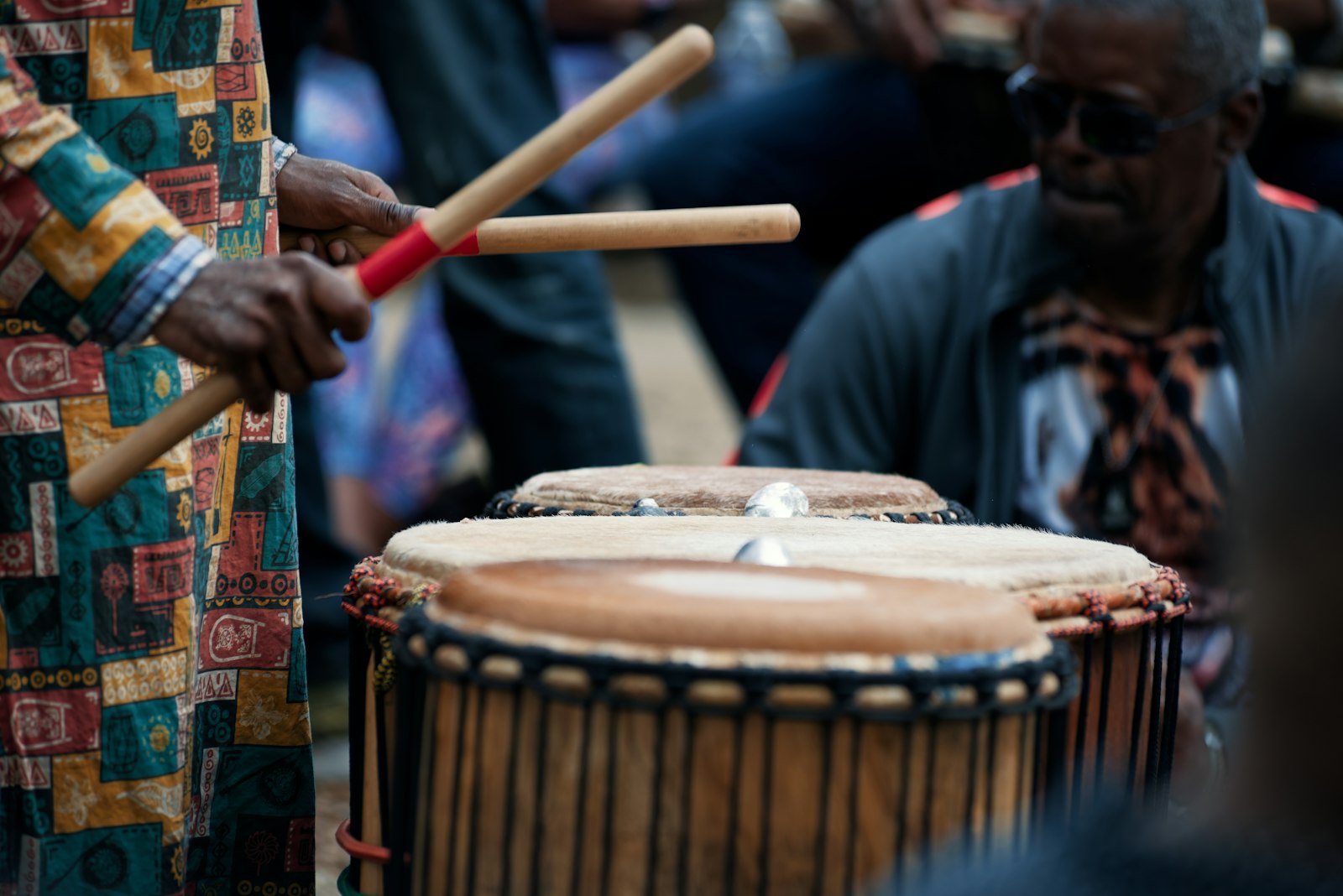
Bringing a drum circle into the classroom is more than just a music lesson; it is an exercise in community building, active listening, and social-emotional development. When students sit in a circle, every desk and hierarchy disappears, replaced by the unifying pulse of the beat. Whether you are a dedicated music educator or a classroom teacher looking for new ways to engage your students, a classroom drum circle offers a tactile, inclusive, and joyful way to learn.
In this guide, we will explore how to facilitate a rhythm experience that resonates with students of all ages, from the first strike of the djembe to the final rumble.
The Benefits of Rhythm in Education
Research has shown that rhythmic activities can improve cognitive function, reduce stress, and enhance group cohesion. In a school setting, these benefits translate directly into better focus and a more positive classroom climate. Unlike many traditional instruments that require years of technical study before a student can participate in an ensemble, hand drums offer immediate gratification.
- Inclusive Learning: Students with different learning styles or neurodivergent needs often find success in the sensory-rich environment of a drum circle.
- Social-Emotional Learning (SEL): Drumming requires students to listen to one another, take turns, and contribute to a collective goal.
- Physical Coordination: Playing a djembe or conga develops bilateral coordination and fine motor skills.
Essential Instruments for Your Classroom
You don't need a professional percussion suite to start. A diverse mix of sounds makes the circle more interesting and allows students to find the voice that suits them best.
- Djembes: These goblet-shaped drums are the backbone of most circles. They are easy to play and offer three distinct sounds: bass, tone, and slap.
- Frame Drums: Lightweight and portable, these are excellent for younger students or those who prefer a softer volume.
- Dunun (Dununba, Sangban, Kenkeni): These cylindrical bass drums, played with sticks, provide the foundational heartbeat of the rhythm.
- Auxiliary Percussion: Shakers, bells, and woodblocks are vital. They allow students who might feel intimidated by a large drum to participate fully in the groove.
If you are looking to expand your school's inventory, connecting with professional drum teachers can provide insights into the best durable gear for student use.
Setting the Stage: The Circle Layout
The physical arrangement of the room is crucial. Move the desks to the perimeter and arrange the chairs in a clear, unobstructed circle. This ensures that every student has a line of sight to the facilitator and to their peers.
Ensure there is enough space between chairs for students to move their arms freely. If you are working with a large group, you might consider a double-ring setup. Place the larger, louder drums in the outer ring and the smaller percussion in the inner ring to balance the acoustics.
Facilitation Techniques for Teachers
You don't need to be a master percussionist to lead a classroom drum circle. Your role is that of a facilitator—someone who makes the process easier for the group.
The Call-and-Response
This is the most effective way to teach rhythm without using words. Play a simple four-beat pattern on your drum and have the students mimic it back to you. Start simple and gradually increase the complexity as their confidence grows.
Stop and Start Signals
Establish a clear signal for silence. A common technique is the "sculpting" motion—raising your hands high to increase volume and bringing them down to a whisper, ending with a definitive "cut-off" gesture. This teaches impulse control and collective awareness.
Collaborative Groove
Once the students have a basic beat, encourage them to listen for the "holes" in the rhythm. If everyone is playing the same heavy beat, the music can feel cluttered. Encourage some students to play steady pulses while others experiment with syncopation.
Games and Activities to Build Skills
To keep the energy high and the students engaged, incorporate structured rhythm games:
- The Name Game: Each student plays the rhythm of their own name on the drum while the rest of the class repeats it back.
- Pass the Pulse: One student starts a simple beat, and it travels around the circle like a "wave." The goal is to keep the tempo consistent.
- Rhythm Telephone: A student whispers a rhythm onto their drum (playing softly), and the next person tries to replicate it, passing it around the circle to see how it evolves.
For educators who want to deepen their own practice, attending drumming retreats can be a transformative way to learn advanced facilitation techniques in an immersive environment.
Etiquette and Classroom Management
A drum circle can get loud, so setting ground rules is essential for a successful session.
- Respect the Instrument: Teach students how to carry and play the drums properly to avoid damage to the skins.
- Eyes on the Facilitator: When the facilitator's hands are up, the drums should be silent.
- Support the Groove: Remind students that the goal is to make the whole group sound good, not just themselves.
If you find that your students are particularly passionate, you might look for local events or youth-friendly circles where they can practice outside of school hours.
Conclusion
A classroom drum circle is a powerful tool for transformation. It breaks down barriers, builds confidence, and reminds us that we are all part of a larger rhythm. By bringing these ancient traditions into the modern classroom, you are giving your students a gift that resonates far beyond the school walls.
Find a drum circle near you to see facilitation in action and get inspired for your next classroom session.
Frequently asked
- What is the best age to start a classroom drum circle?
- Drum circles can be adapted for any age, from toddlers using shakers to high school students mastering complex djembe rhythms. For younger children, focus on simple pulse and movement, while older students can explore polyrhythms and soloing.
- How do I handle the noise level in a small classroom?
- Use 'low-volume' techniques such as playing with fingertips instead of palms, or incorporating more frame drums and shakers. You can also use the volume as a teaching tool, practicing 'piano' (quiet) and 'forte' (loud) dynamics to help students develop control.
- Do I need to be a trained musician to lead a drum circle?
- No, you primarily need to be a good listener and a confident leader. Many successful classroom facilitators start with basic rhythm patterns and learn alongside their students, often seeking guidance from specialized [drum schools](/drum-schools) to build their skills.
Find a drum circle near you
Browse hundreds of circles, teachers and rhythm community gatherings.
Explore drum circles