Finding a Community Drum Circle Near Me: A Guide to Local Rhythm
Discover the transformative power of rhythm and learn how to find the perfect community drum circle in your local neighborhood.
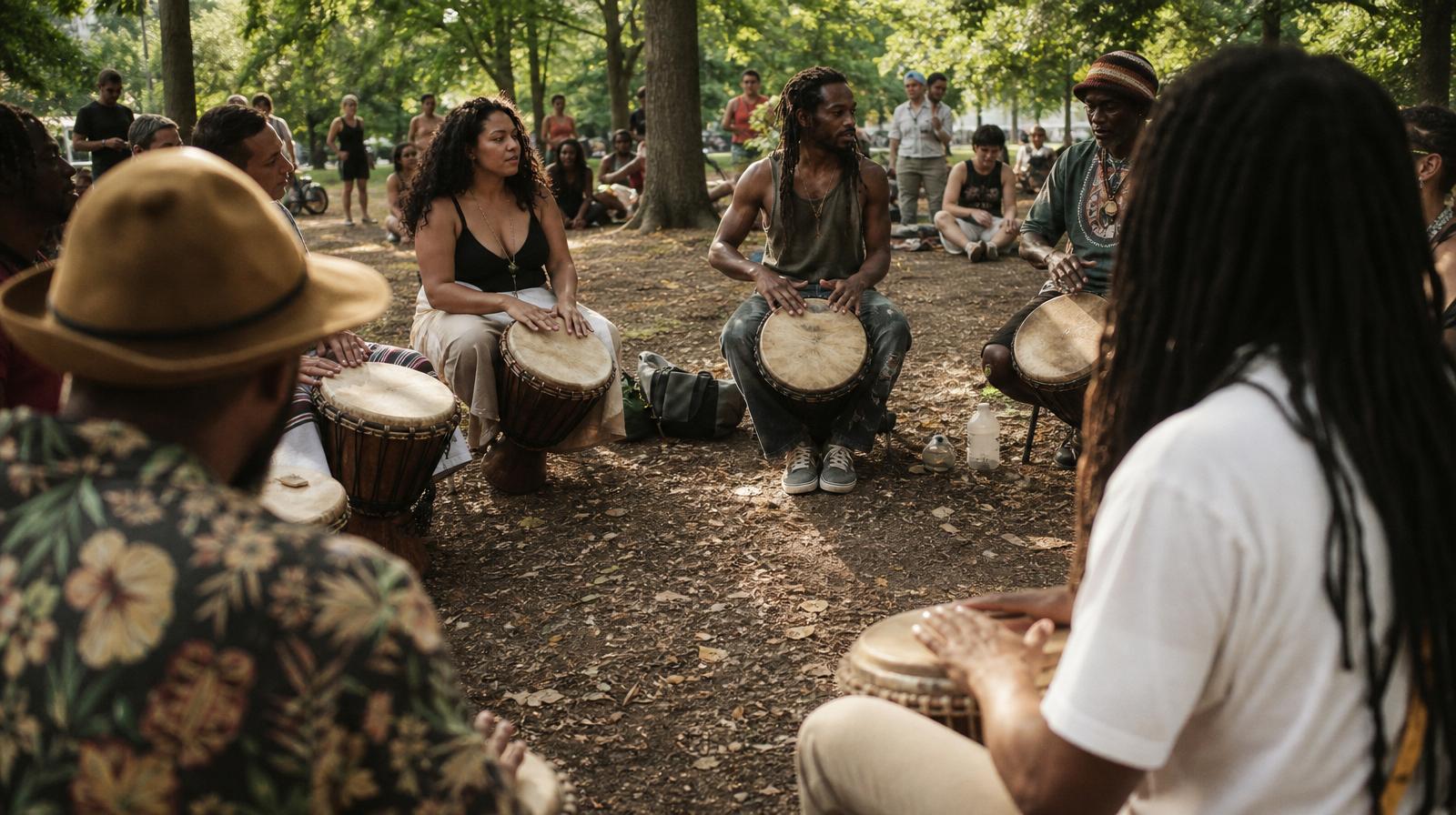
There is a primal, undeniable pull to the sound of a drum. Whether it is the deep, grounding thrum of a djembe or the sharp, articulate snap of a doumbek, rhythm has a way of cutting through the noise of modern life. If you have found yourself searching for a "community drum circle near me," you are likely looking for more than just a musical performance—you are looking for connection.
Community drum circles are unique spaces where the barrier between performer and audience disappears. In these circles, everyone is a participant, and every beat contributes to a larger, spontaneous composition. Whether you are a seasoned percussionist or someone who has never touched a drum in your life, there is a seat waiting for you.
What Exactly is a Community Drum Circle?
Unlike a structured band rehearsal or a formal music class, a community drum circle is a collaborative event where people gather to improvise rhythm. These gatherings are often led by a facilitator—a rhythmic conductor who helps guide the energy, starts and stops the group, and ensures that everyone feels comfortable contributing.
In a typical circle, you will see a diverse array of instruments. You might find:
- African Djembes: The most common drum, known for its wide range of tones.
- Dunun: Large, cylindrical drums played with sticks that provide the heartbeat of the rhythm.
- Congas and Bongos: Afro-Cuban staples that add melodic complexity.
- Frame Drums: Ancient, spiritual instruments often played with the hands or a soft mallet.
- Auxiliary Percussion: Shakers, bells, woodblocks, and tambourines that fill in the high-frequency gaps.
Why People Join Local Drumming Groups
The reasons for seeking out a drum circle are as varied as the rhythms themselves. For many, it is a form of active meditation. When you are locked into a groove with thirty other people, it is nearly impossible to worry about your email inbox or your to-do list. The rhythm demands your presence.
Beyond the mental health benefits, drum circles are vital social hubs. They attract people from all walks of life, fostering a sense of belonging that is often missing in digital-heavy lifestyles. Many participants find that after attending a few events, they have built a new network of friends who share a passion for music and wellness.
What to Expect at Your First Circle
If you have never attended a circle before, the prospect might feel a bit intimidating. However, the culture of drumming is overwhelmingly inclusive. Most circles follow a "come as you are" philosophy.
When you arrive, you will usually see chairs or cushions arranged in a large ring. If the event is facilitated, the leader will likely start with a simple pulse. You don't need to know complex patterns; you just need to listen and find a way to fit in. Many organizers offer drum teachers or mentors on-site to help beginners find their footing.
Do I Need My Own Drum?
This is the most common question for those searching for a "community drum circle near me." The answer is: usually no! Most large community circles have a "petting zoo" of extra instruments for newcomers to borrow. However, as you fall in love with the practice, you may want to visit drum schools to learn which instrument resonates most with your personal style.
Common Types of Drum Circles
Not all circles are the same. Understanding the "flavor" of a local gathering will help you find the right fit for your personality:
- The Facilitated Circle: Highly structured, great for beginners, and focused on group synergy.
- The Full Moon Circle: Often held outdoors or on beaches, these are more spiritual and free-form.
- The Healing Circle: Focused on the therapeutic aspects of sound, often found in wellness centers.
- The Family-Friendly Circle: Shorter sessions designed to engage children and parents alike.
Drum Circle Etiquette for Beginners
To ensure everyone has a great time, there are a few unwritten rules of the circle:
- Listen as much as you play: If you can't hear the person next to you, you might be playing too loud.
- Support the beat: The goal is to create a foundation, not to solo over everyone else.
- Ask before playing someone's drum: Instruments are often deeply personal; always seek permission before trying out someone else's gear.
- Follow the facilitator: When they signal a "cut" (usually with a crossed-arm gesture), stop playing immediately to enjoy the silence.
Taking the Next Step in Your Rhythmic Journey
Once you’ve experienced the magic of a local circle, you might find yourself wanting to dive deeper. Many enthusiasts eventually seek out drumming retreats to immerse themselves in specific traditions, such as West African Manding drumming or Middle Eastern rhythms. These retreats offer a chance to sharpen your skills while bonding deeply with the global rhythm community.
Finding a community drum circle near you is the first step toward a more rhythmic, connected life. Whether you are looking for a weekly hobby or a one-time experience to blow off steam, the circle is open.
Find a drum circle near you by browsing our global directory of facilitators and gatherings.
Frequently asked
- Do I need to be a musician to join a drum circle?
- Absolutely not. Community drum circles are designed for all skill levels. The focus is on participation and connection rather than musical perfection, and facilitators are there to help beginners feel successful from the first beat.
- What should I bring to a drum circle?
- If you have a drum, bring it! If not, most circles provide loaner instruments. You should also bring water, a comfortable chair if it's an outdoor event, and an open mind. Earplugs are also recommended if you have sensitive hearing.
- Are drum circles kid-friendly?
- Many community circles are family-friendly and welcome children of all ages. However, some specific meditative or late-night circles may be intended for adults, so it is always best to check the event listing on the Drum Circle Directory first.
Find a drum circle near you
Browse hundreds of circles, teachers and rhythm community gatherings.
Explore drum circles