
Community Drum Circles: A Guide to Rhythm and Connection
Discover the transformative power of community drum circles, from finding your first rhythm to understanding the etiquette of the circle.
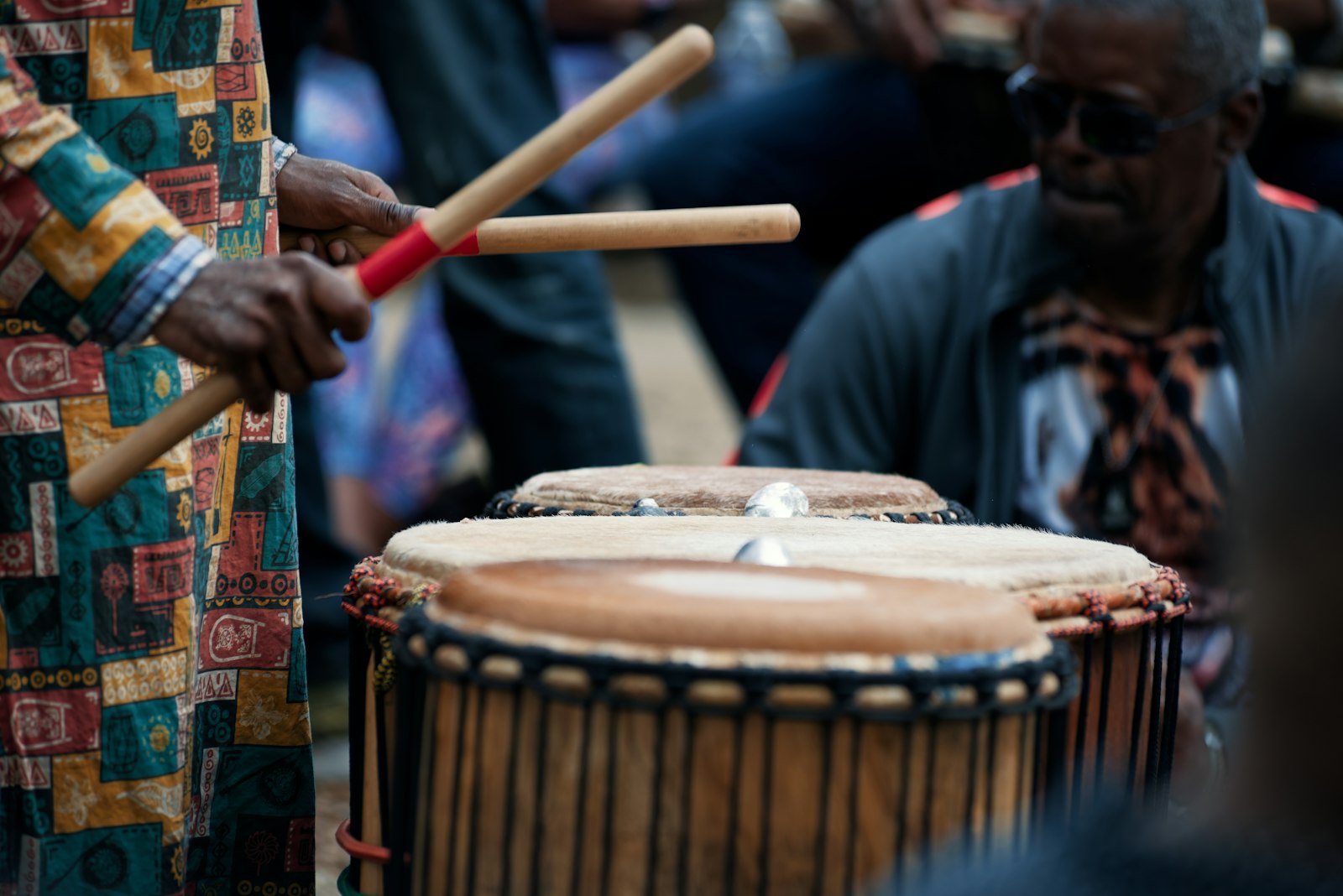
There is something primal and deeply moving about the sound of a drum. For thousands of years, humans have gathered in circles to share stories, celebrate harvests, and heal through rhythm. Today, the modern movement of community drum circles is thriving, offering a space where people from all walks of life can come together to create a spontaneous, collective voice.
Whether you are a seasoned percussionist or someone who has never touched a drum in your life, a community drum circle is a place where you belong. It is not about performance; it is about participation. In this guide, we will explore what makes these gatherings so special, how to prepare for your first circle, and why rhythm is the ultimate tool for building community.
What Exactly is a Community Drum Circle?
A community drum circle is a group of people playing hand-drums and percussion instruments in a circle formation. Unlike a band or an orchestra, there is often no sheet music or rehearsed repertoire. Instead, the music is created in the moment.
These gatherings usually fall into two categories:
- Facilitated Circles: A trained facilitator guides the group, using signals and games to help the rhythm evolve, ensuring everyone stays in sync and feels comfortable.
- Improvisational (Organic) Circles: These are more free-form. Someone starts a beat, and others layer their rhythms on top. These are common at beaches, parks, and full-moon gatherings.
The goal is always the same: to create a "group groove" where the individual ego disappears, and the collective sound takes over.
The Instruments of the Circle
You don't need a massive kit to join in. Most community drum circles feature a variety of hand-percussion instruments from around the globe. If you are looking to purchase your first instrument, you might consider visiting drum schools to learn which one resonates with you.
The Djembe
Perhaps the most popular drum in circles today, this West African drum is shaped like a goblet and offers three distinct sounds: the deep bass, the mid-range tone, and the sharp slap.
The Dunun
Often played with sticks, these cylindrical drums (Dundunba, Sangban, and Kenkeni) provide the heartbeat and melodic foundation for West African rhythms.
The Conga and Bongo
Rooted in Afro-Cuban traditions, these drums add a melodic, driving energy to the circle. They are perfect for players who enjoy intricate finger work.
Frame Drums and Tambourines
Found in cultures ranging from the Middle East to the Americas, frame drums are lightweight and offer a spiritual, resonant quality. They are excellent for beginners and those focused on the meditative aspects of drumming.
Auxiliary Percussion
Never underestimate the power of a shaker, a cowbell, or a woodblock. These instruments provide the "salt and pepper" that seasons the rhythm and keeps the tempo steady.
Understanding Drum Circle Etiquette
To ensure everyone has a positive experience, there are a few unwritten rules—often called "drum circle etiquette"—that help the group thrive.
- Listen as Much as You Play: The key to a great circle is space. If you can't hear the person next to you, you might be playing too loudly. Leave room for others to be heard.
- Support the Pulse: Every circle has a heartbeat. Before you try a complex solo, make sure you are locked into the fundamental beat established by the lower-pitched drums.
- Ask Before Borrowing: If there are extra drums in the center of the circle, they are usually communal. However, if a drum is sitting by someone’s chair, always ask before you start playing it.
- Follow the Facilitator: If a facilitator is present, keep an eye out for their signals. They may use a "sculpting" motion to bring the volume down or a "cut-off" signal to end a song together.
The Health and Wellness Benefits of Group Drumming
Beyond the fun of making music, community drum circles offer profound health benefits. Research has shown that group drumming can reduce stress, lower blood pressure, and boost the immune system.
When we drum together, our brain waves entrain to the rhythm, often leading to a state of "flow" or moving meditation. This is why many drumming retreats focus on the therapeutic aspects of rhythm. It’s a powerful way to release pent-up emotions and find a sense of calm in a chaotic world.
How to Find Your First Circle
Finding a community can feel intimidating, but the drumming world is incredibly welcoming. Many circles are held in public parks, community centers, or yoga studios. If you want to refine your skills before jumping in, seeking out drum teachers can give you the confidence you need to hold down a steady beat.
Look for events labeled as "family-friendly" or "all levels welcome." These are designed for inclusivity. If you are traveling, check for local events in the area, as drumming is a universal language that can help you connect with locals anywhere in the world.
Creating a Sustainable Rhythm Community
For a community drum circle to last, it needs dedicated organizers and a spirit of service. Many long-standing circles serve as anchors for their neighborhoods, providing a safe space for people to gather regardless of their background.
If you find yourself falling in love with the rhythm, consider how you can give back. This might mean helping to carry drums for the elderly, bringing extra earplugs for newcomers, or simply being the person who holds a steady, reliable beat for others to lean on.
Find a drum circle near you and start your rhythmic journey today.
Frequently asked
- Do I need to bring my own drum to a community drum circle?
- Not necessarily. Many facilitated circles provide extra instruments for newcomers to use. However, it is always a good idea to check the event description beforehand or bring a small shaker just in case.
- What should I wear to a drum circle?
- Comfort is key. Wear loose-fitting clothing that allows you to sit comfortably with a drum between your knees. Avoid wearing large rings or bracelets, as these can damage the drum head and hurt your hands.
- Can children participate in community drum circles?
- Most community circles are family-friendly and welcome children. It is a wonderful way for kids to develop a sense of rhythm and social cooperation, though parents should ensure their children follow the basic etiquette of the group.
Find a drum circle near you
Browse hundreds of circles, teachers and rhythm community gatherings.
Explore drum circles