
Community Drumming Circle: A Guide to Rhythm and Connection
Discover how a community drumming circle can transform your well-being and connect you with a global rhythm movement.
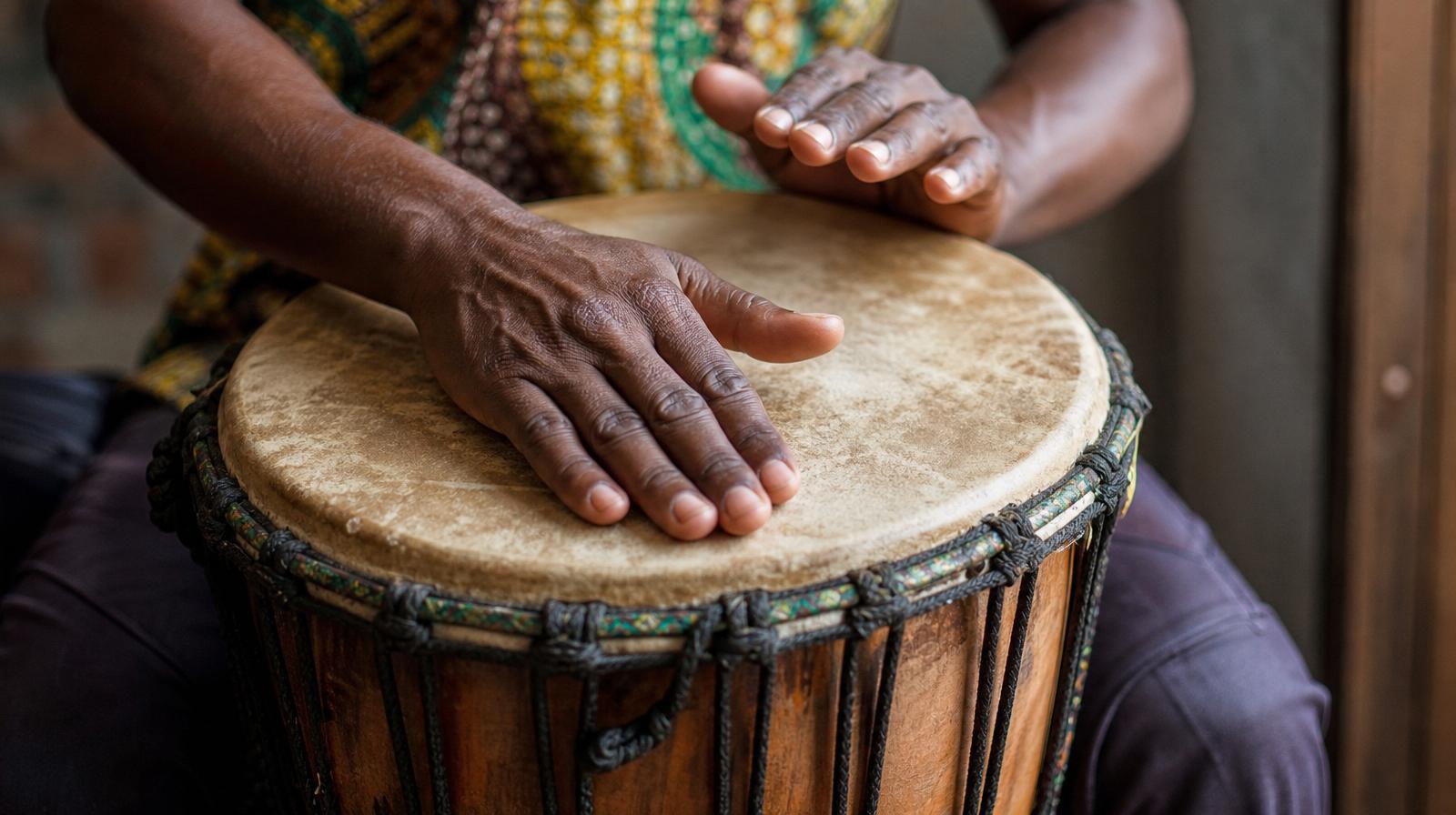
A community drumming circle is more than just a musical gathering; it is a primal, revitalizing experience that transcends language and culture. Whether it is held under a full moon on a sandy beach or in the basement of a local community center, the circle represents equality, unity, and the shared heartbeat of the participants.
In this guide, we explore the nuances of group drumming, from the instruments you will encounter to the unspoken rules that make these gatherings so transformative. If you have ever felt the urge to pick up a djembe or simply tap along to a beat, you are ready to join the circle.
What is a Community Drumming Circle?
At its core, a community drumming circle is a group of people playing hand-drums and percussion in a circle formation. Unlike a structured band or an orchestral performance, the goal is not a polished concert, but rather the creation of a collective groove.
In these spaces, there is no 'audience.' Everyone is a participant. The circle format ensures that every drummer can see and hear one another, fostering a sense of belonging. While some circles are led by a professional facilitator who uses signals to change the tempo or volume, many are 'free-form,' allowing the rhythm to evolve organically through the intuition of the group.
The Instruments of the Circle
While you might see a wide variety of percussion, certain instruments are staples of the community drumming scene:
- The Djembe: This goblet-shaped drum from West Africa is the most popular choice. It offers three distinct sounds: the deep bass (center), the mid-tone (edge), and the sharp slap.
- The Conga: Higher and more melodic than the djembe, these Afro-Cuban drums provide a steady, driving pulse.
- Dunun (Doundoun): These are the 'bass drums' of West African music, played with sticks to provide the melodic foundation.
- Frame Drums: Circular drums often played with the fingers, common in Middle Eastern and Native American traditions.
- Doumbek: A chalice drum used primarily in Arabic music, known for its crisp, metallic 'tek' sounds.
- Auxiliary Percussion: Shakers, cowbells, woodblocks, and tambourines are essential for adding texture to the rhythm.
If you are looking to master a specific instrument before joining, you might consider connecting with drum teachers to learn the foundational techniques.
Health and Wellness Benefits of Group Drumming
Modern science is finally catching up to what indigenous cultures have known for millennia: drumming is medicine. Participating in a community drumming circle has been shown to:
- Reduce Stress: The rhythmic vibration helps lower cortisol levels and triggers the release of endorphins.
- Boost the Immune System: Studies have indicated that group drumming increases the activity of natural killer cells, which fight viruses.
- Improve Social Connection: Drumming in a group releases oxytocin, the 'bonding hormone,' helping to combat feelings of isolation.
- Induce Flow States: The repetitive nature of the beat can lead to a meditative state, quietening the 'monkey mind' and fostering mental clarity.
Drum Circle Etiquette for Beginners
If it is your first time, you might feel a bit nervous. Following a few simple rules of etiquette will help you blend in and enjoy the experience:
- Listen More Than You Play: Before you start hitting the drum, listen to the existing rhythm for a minute. Find the 'pulse' and try to support it rather than play over it.
- Leave Space: You don't need to play on every beat. Silence is a part of music. Leaving 'holes' in your rhythm allows other instruments to be heard.
- Ask Before Borrowing: Most drummers are happy to share, but always ask before picking up someone else's instrument.
- Follow the Facilitator: If there is a leader in the center, keep an eye on them for 'cut-offs' (when everyone stops at once) or volume changes.
- Respect the 'Heartbeat': Every circle has a fundamental pulse. Try to stay in sync with that central beat to keep the energy cohesive.
Finding Your Tribe: Local Circles and Beyond
Community circles happen everywhere—from city parks to dedicated drum schools. Some are family-friendly events where toddlers and grandparents drum side-by-side, while others might be more spiritually focused 'shamanic' circles or high-energy West African dance classes.
For those who want to dive deeper, drumming retreats offer an immersive way to spend several days living and breathing rhythm. These retreats often feature master drummers who can help you move from basic patterns to complex polyrhythms.
How to Start Your Own Circle
If there isn't a gathering in your area, consider starting one. You don't need to be a master drummer; you just need a space and a few friends.
- Find a Venue: Local parks, community centers, or even a backyard work well.
- Gather Extra Percussion: Not everyone will have a drum. Keep a basket of shakers and bells for newcomers.
- Set a Regular Time: Consistency is key to building a community. Monthly or bi-weekly gatherings work best.
- Promote Your Event: List your gathering on events calendars to reach local enthusiasts.
Find a drum circle near you and start your rhythmic journey today.
Frequently asked
- Do I need to be a musician to join a community drumming circle?
- Not at all. Community circles are designed for all skill levels, including absolute beginners. The focus is on participation and connection rather than technical perfection.
- What should I bring to my first drum circle?
- If you have a drum, bring it! If not, many circles provide extra percussion or 'loaner' drums. It is also a good idea to bring a chair, some water, and an open mind.
- Are drum circles loud?
- They can be. The volume depends on the size of the group and the space. If you have sensitive hearing, it is perfectly acceptable to wear high-fidelity earplugs that lower the decibels without muffling the sound.
Find a drum circle near you
Browse hundreds of circles, teachers and rhythm community gatherings.
Explore drum circles