
Community Drumming Event Guide: Find Your Rhythm and
Discover the transformative power of a community drumming event, from djembe basics to finding the perfect local rhythm circle for your skill level.
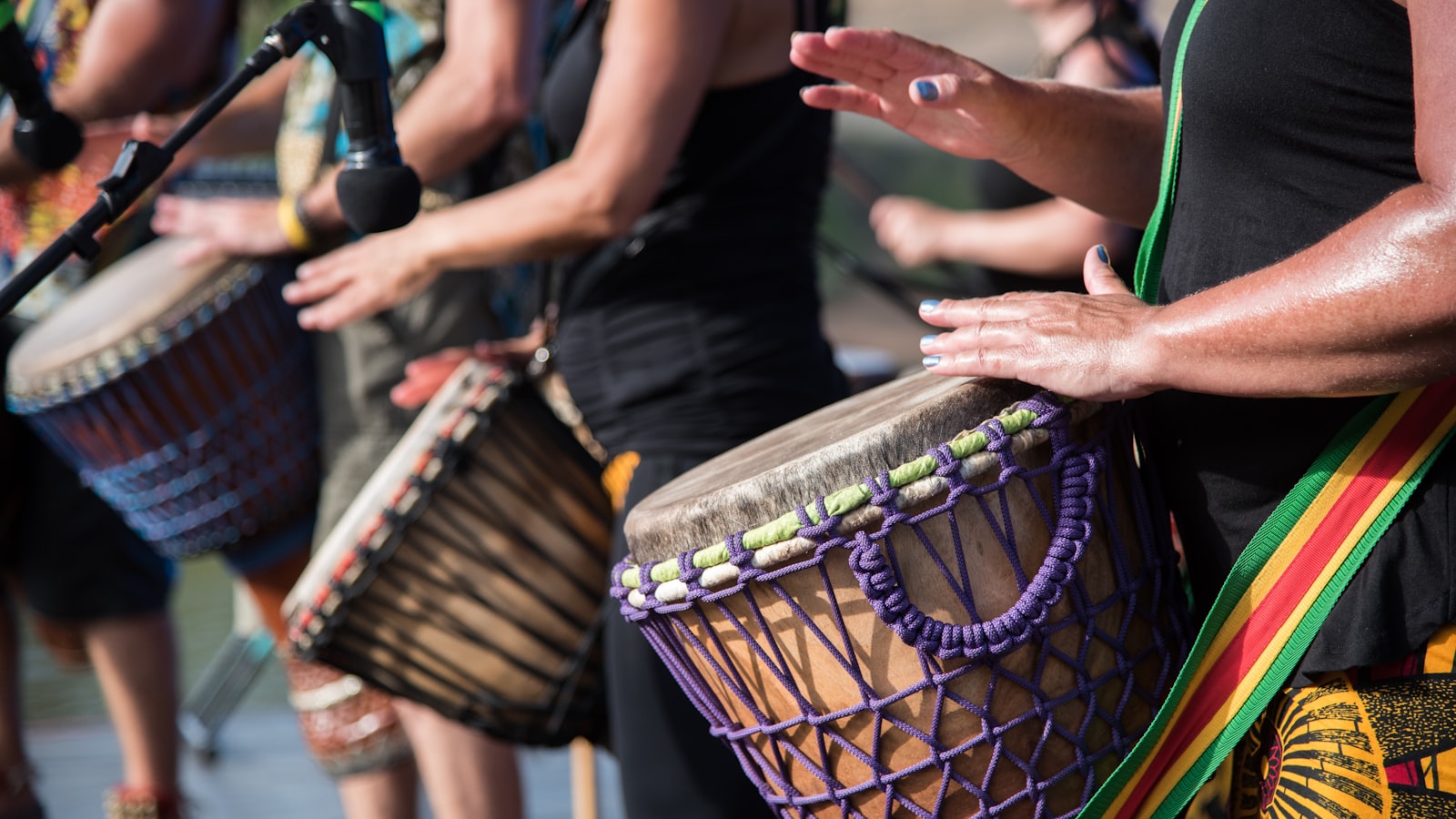
There is something primal and profoundly healing about the sound of a drum. When you step into a community drumming event, you aren't just attending a musical performance; you are participating in an ancient human tradition. Whether it is the deep resonance of a djembe or the sharp, articulate snap of a doumbek, these gatherings offer a unique space for creative expression, stress relief, and social bonding.
In today's fast-paced digital world, the opportunity to sit in a circle and create something tangible with others is rare. This guide explores everything you need to know about navigating your first event, the instruments you might encounter, and how to find a rhythm community that feels like home.
What Exactly is a Community Drumming Event?
A community drumming event is a gathering where people of all skill levels come together to play hand drums and percussion instruments. Unlike a structured concert, the focus is on participation rather than observation. These events are often led by a facilitator who helps guide the energy of the group, ensuring that even someone who has never touched a drum can contribute to the collective groove.
These gatherings take many forms:
- Facilitated Circles: A leader uses signals to start, stop, and change the tempo.
- Free-form Jams: Often found at festivals or full-moon gatherings, where the rhythm evolves organically.
- Educational Workshops: Focused on learning specific cultural rhythms, such as West African dunun patterns or Afro-Cuban conga techniques.
The Health and Wellness Benefits of Group Rhythm
Beyond the music, participating in a community drumming event offers significant mental and physical health benefits. Science has shown that group drumming can lower cortisol levels, reduce stress, and even boost the immune system. The rhythmic entrainment—the process of multiple people synchronizing their movements—creates a sense of "group flow" that fosters deep social connection.
For many, the drum circle is a form of active meditation. When you are focused on a call-and-response pattern or maintaining a steady pulse on a frame drum, the chatter of the mind falls away. You become present in the moment, connected to the heartbeat of the room.
Popular Instruments You Will Encounter
You don't need to be a master percussionist to join in, but knowing your way around a few common instruments can help you feel more confident. If you are looking to purchase your first drum, checking with drum schools can provide great insights into what suits your style.
- Djembe: The most common drum in circles, this goblet-shaped West African drum offers three distinct sounds: bass, tone, and slap.
- Congas: Tall, narrow drums from Cuba that provide a warm, melodic foundation.
- Doumbek: A Middle Eastern drum known for its crisp, metallic sounds and intricate finger techniques.
- Frame Drums: One of the world's oldest instruments, often played with the hands or a soft mallet.
- Small Percussion: Shakers, cowbells, and woodblocks are the "salt and pepper" of the circle, adding texture and flavor to the beat.
Navigating Drum Circle Etiquette
To ensure a positive experience for everyone, a few unwritten rules govern most community drumming events. Following these simple guidelines will help you integrate seamlessly into the group:
- Listen More Than You Play: The best drummers are the best listeners. Pay attention to the pulse and the other players around you.
- Support the Bass: The deep, low notes are the heartbeat. If the rhythm feels chaotic, return to a simple bass beat to help ground the group.
- Respect the Space: Always ask before playing someone else's drum. Many instruments are handmade and hold sentimental value.
- Follow the Facilitator: If a facilitator is present, watch for their signals. They are there to help the group sound its best.
- Leave Egos at the Door: A community circle is about "we," not "me." Avoid overplaying or trying to solo over the entire group.
Finding the Right Event for Your Skill Level
Not all drum circles are created equal. Some are family-friendly gatherings in local parks, while others are high-energy events designed for experienced players. If you are a total beginner, look for a "facilitated beginner circle" where the basics of hand technique are taught.
For those looking to go deeper, drumming retreats offer immersive experiences where you can live and breathe rhythm for several days. If you prefer a more academic approach, finding drum teachers for private lessons can give you the technical foundation needed to shine in any community setting.
Why Community Matters
At its core, a community drumming event is a celebration of diversity. You will find people from all walks of life, ages, and backgrounds sitting side-by-side. In the circle, every voice matters. Whether you are playing a complex polyrhythm or a simple steady pulse, you are an essential part of the whole. This sense of belonging is why many people return to the circle week after week, year after year.
Find a drum circle near you and start your rhythmic journey today.
Frequently asked
- Do I need to bring my own drum to a community drumming event?
- It depends on the event, but many facilitated circles provide extra instruments for newcomers. It is always a good idea to check the event description or contact the organizer beforehand to see if a drum loan is available.
- Can children participate in community drum circles?
- Yes, many community events are family-friendly and welcome children. Drumming is a fantastic way for kids to develop coordination and social skills, though it is best to look for circles specifically labeled as all-ages or family-oriented.
- What should I wear to a drumming event?
- Comfort is key. Wear loose-fitting clothing that allows you to sit comfortably with a drum between your knees. Avoid wearing rings, watches, or bulky bracelets, as these can damage the drum head and hurt your hands while playing.
- I have no musical experience; will I feel out of place?
- Not at all. Community drumming is designed to be inclusive. Most circles focus on the spirit of participation rather than technical perfection, and facilitators are skilled at helping beginners find a simple rhythm that contributes to the group.
Find a drum circle near you
Browse hundreds of circles, teachers and rhythm community gatherings.
Explore drum circles