Community Music Making: A Guide to Rhythmic Connection
Discover the transformative power of community music making and learn how joining a drum circle can foster deep social connections and personal wellness.
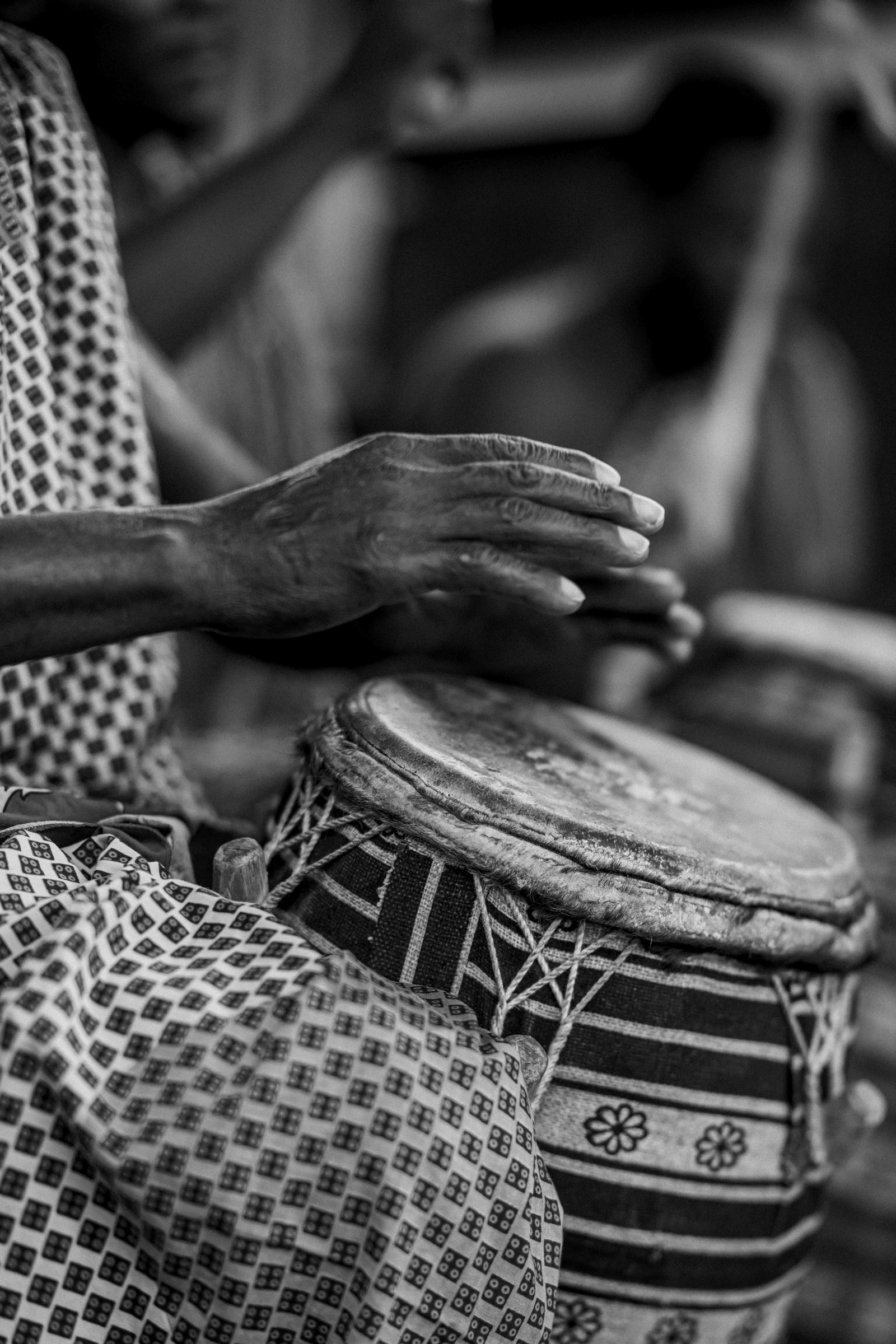
There is a primal magic that happens when a group of people, many of whom may be total strangers, sit in a circle and begin to strike a drum. This is the essence of community music making—an ancient practice that is seeing a massive resurgence in our modern, digital-heavy world. It isn’t about performance or technical perfection; it is about the shared experience of creating a pulse that belongs to everyone present.
In this guide, we will explore why making music together is vital for our social fabric, the different ways you can get involved, and how the simple act of hitting a djembe or a frame drum can change your life.
What is Community Music Making?
Community music making is an inclusive, non-hierarchical approach to creating sound. Unlike a formal orchestra or a rock band where the goal is often a polished performance for an audience, community music focuses on the process and the participants. It is music by the people, for the people.
In the context of drumming, this often takes the form of a drum circle. Here, the barriers to entry disappear. You don’t need to read music or have years of training. Whether you are holding a set of dununs, a bright-toned doumbek, or a simple shaker, your contribution is a necessary thread in the rhythmic tapestry.
The Social Benefits of Shared Rhythm
At its core, music is a communication tool. When we engage in community music making, we are practicing a form of radical listening. To stay in time with the group, you must tune in to the person sitting next to you and the collective heartbeat of the circle.
- Breaking Isolation: Drumming circles provide a safe space for people from all walks of life to connect without the need for small talk.
- Building Empathy: Call-and-response patterns allow participants to "speak" and "answer" through their instruments, fostering a deep sense of being heard.
- Inclusivity: Community music making is inherently accessible. Children, seniors, and individuals with disabilities can all find a place in the rhythm.
Health and Wellness Through Group Drumming
Beyond the social aspect, the physical and mental health benefits of community music making are well-documented. Research has shown that group drumming can reduce cortisol levels, boost the immune system, and even help manage chronic pain.
When you play a conga or a djembe in a group, you enter a state of "flow." This rhythmic entrainment helps quiet the analytical mind, reducing anxiety and promoting a sense of groundedness. Many participants describe the experience as a form of active meditation—a way to be fully present in the body.
Finding Your Place: From Beginners to Facilitators
If you are new to this world, the best way to start is by looking for local drum circles in your area. Many of these gatherings are "all-levels," meaning you can show up with zero experience and a borrowed instrument.
As you grow in your journey, you might seek out drum teachers to help you master specific techniques or traditional rhythms from West Africa, the Middle East, or the Caribbean. For those who feel called to lead, training to become a drum circle facilitator allows you to guide others through the transformative power of rhythm.
Instruments of the Circle
While any object that makes a sound can be part of community music making, certain instruments are staples in the directory of global rhythm:
- Djembe: The versatile "healing drum" from West Africa, known for its deep bass and sharp slaps.
- Congas: Tall, narrow drums that provide a melodic, warm pulse.
- Frame Drums: One of the oldest drum types, often used in spiritual and meditative gatherings.
- Dunun: The heartbeat of West African ensembles, played with sticks to provide the foundational melody.
- Auxiliary Percussion: Cowbells, woodblocks, and shakers that add texture and "seasoning" to the groove.
Creating a Sustainable Rhythm Community
Sustainable community music making relies on a shared set of values. This includes respecting the space, supporting local drum schools, and honoring the cultural origins of the instruments we play. It also means showing up consistently. A community thrives when its members commit to the rhythm and to each other.
Whether it's a full-moon beach drum circle or a weekly community center jam, these events serve as the rhythmic glue that holds neighborhoods together. They remind us that we are not alone and that together, we can create something beautiful and loud.
Deepening Your Practice at Retreats
For those looking to immerse themselves fully, drumming retreats offer a chance to step away from daily distractions. These multi-day experiences often combine intensive rhythm workshops with nature, healthy food, and deep community bonding. It is community music making at its most profound, allowing for breakthroughs in both skill and personal growth.
Find a drum circle near you at Drum Circle Directory.
Frequently asked
- Do I need to own a drum to participate in community music making?
- No, many community drum circles provide extra instruments for newcomers to use. You can also start with simple hand percussion like shakers or even use your own body for percussion until you decide which drum feels right for you.
- What is the difference between a drum circle and a drum class?
- A drum class focuses on learning specific techniques and traditional rhythms from a teacher. A drum circle is more about spontaneous creation, improvisation, and social connection, often led by a facilitator rather than a formal instructor.
- Is community drumming suitable for children?
- Absolutely. Most community music making events are family-friendly and encourage multi-generational participation. It is a wonderful way for children to develop motor skills, rhythm, and social cooperation in a fun, low-pressure environment.
Find a drum circle near you
Browse hundreds of circles, teachers and rhythm community gatherings.
Explore drum circles