Starting and Growing a Successful Community Music Nonprofit
Discover how a community music nonprofit can transform your local neighborhood through the power of rhythm, inclusion, and accessible education.
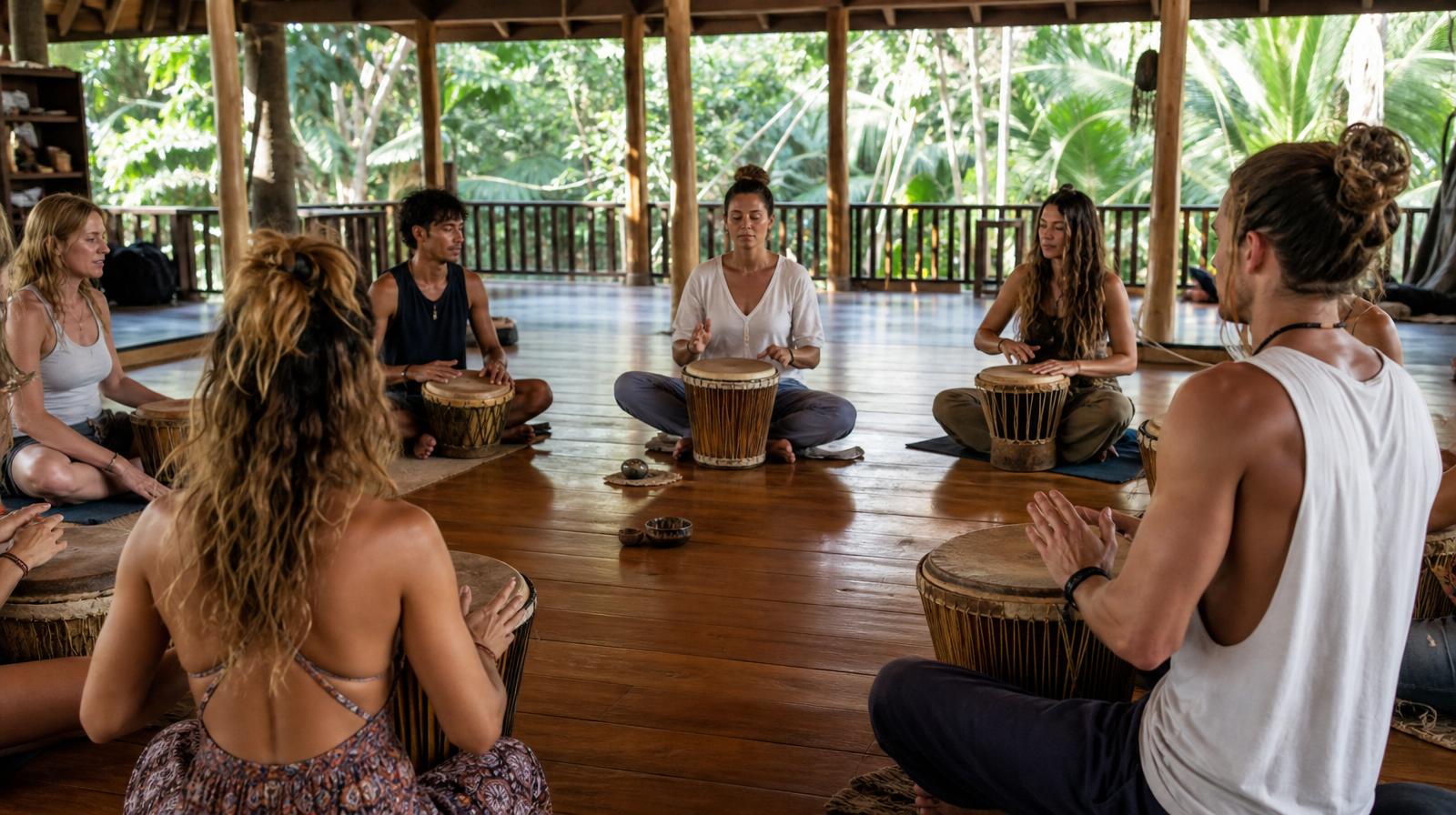
Music has an unparalleled ability to bridge social divides, heal emotional wounds, and foster a sense of belonging. While informal jam sessions are wonderful, formalizing your passion into a community music nonprofit can unlock new levels of funding, legitimacy, and long-term sustainability.
Whether you are a djembe enthusiast looking to bring rhythm to underserved schools or a professional facilitator aiming to launch a city-wide drum circle initiative, shifting to a nonprofit model allows you to focus on mission over margins. In this guide, we explore how to build a rhythm-based organization that thrives.
The Mission: Why Rhythm Matters for Nonprofits
At the heart of every successful community music nonprofit is a clear, compelling mission. For drum circles and percussion-based groups, this mission often centers on accessibility. Unlike traditional orchestral music, which may require years of expensive private study, hand drumming is inherently democratic.
Instruments like the djembe, conga, and simple frame drums provide an immediate entry point for people of all ages and abilities. A nonprofit structure allows you to provide these instruments and professional drum teachers to populations who might otherwise never experience the joy of collective music-making.
Legal Foundations and Governance
Transitioning from a casual group to a 501(c)(3) or your local equivalent requires careful planning. You aren't just a group of drummers anymore; you are a legal entity with a fiduciary responsibility to the public.
- The Board of Directors: You need a diverse board. Don't just recruit other drummers; look for lawyers, accountants, and community organizers who believe in your mission.
- Bylaws: These are the rules that govern how your nonprofit operates, including how board members are elected and how funds are dispersed.
- Mission Statement: Keep it concise. For example: "To empower local youth through inclusive rhythm circles and traditional percussion education."
Funding Your Rhythmic Vision
One of the primary benefits of becoming a community music nonprofit is the ability to apply for grants and offer tax-deductible receipts to donors.
- Grant Writing: Look for arts councils, family foundations, and corporate social responsibility programs. Highlight the health benefits of drumming, such as reduced stress and improved cognitive function.
- Individual Giving: Monthly donors are the lifeblood of a nonprofit. Even small contributions can help maintain a fleet of dunun or replace worn-out goatskin heads on your djembes.
- Fee-for-Service: Many nonprofits supplement their income by offering paid workshops for corporations or private events, using those profits to subsidize free community programs.
Building Community Through Inclusive Programming
To be a true pillar of the local scene, your programming must be inclusive. This means thinking beyond the "advanced" player and focusing on the beginner.
Consider hosting regular full-moon gatherings or family-friendly circles where the focus is on connection rather than technical perfection. By partnering with local drum schools, you can create a pipeline where students start in your free community circles and eventually move into deeper technical study.
- Call-and-Response: Use this technique to engage shy participants.
- Instrument Petting Zoos: Let kids touch and hear the difference between a doumbek and a cajon.
- Accessibility: Ensure your venues are ADA-compliant so that everyone, regardless of physical ability, can join the rhythm.
Strategic Partnerships and Outreach
No nonprofit is an island. To maximize your impact, you must collaborate. Partner with local hospitals to bring therapeutic drumming to patients, or work with senior centers to combat isolation through rhythm.
Networking with existing drumming retreats can also provide inspiration and professional development for your facilitators. When you show up at city council meetings or local festivals, you aren't just representing a hobby; you are representing a vital community service that improves the quality of life in your zip code.
Measuring Success and Social Impact
In the nonprofit world, you must prove your impact. This is often called "Social Return on Investment." While you know that a drum circle feels good, donors want data.
- Attendance Tracking: How many unique individuals did you serve this year?
- Qualitative Surveys: Ask participants how they felt before and after a session.
- Community Stories: Document how a child found their voice through the djembe or how a veteran found peace in the steady beat of a frame drum.
By tracking these metrics, you build a case for why your community music nonprofit deserves continued support and expansion.
Find a drum circle near you to see community music in action.
Frequently asked
- What is the difference between a music club and a community music nonprofit?
- A music club is typically an informal social group, whereas a community music nonprofit is a registered legal entity with a mission to serve the public. Nonprofits can apply for grants, accept tax-deductible donations, and are governed by a board of directors to ensure the organization serves its community rather than seeking profit.
- How do I find funding for a new drumming nonprofit?
- Funding usually comes from a mix of government arts grants, private foundation support, and individual donations. Many rhythm-based nonprofits also generate revenue by leading paid team-building workshops for corporations, which then funds their free programs for schools or hospitals.
- Do I need to be a professional musician to start a music nonprofit?
- No, you do not need to be a professional musician, but you should have a passion for the mission and strong organizational skills. Many successful nonprofit founders are community organizers who hire professional facilitators and teachers to handle the musical aspects of the program.
Find a drum circle near you
Browse hundreds of circles, teachers and rhythm community gatherings.
Explore drum circles